
Review · VENETIAN COOKING CLASSES
Ancient Venice and its spices: cooking class and market tour
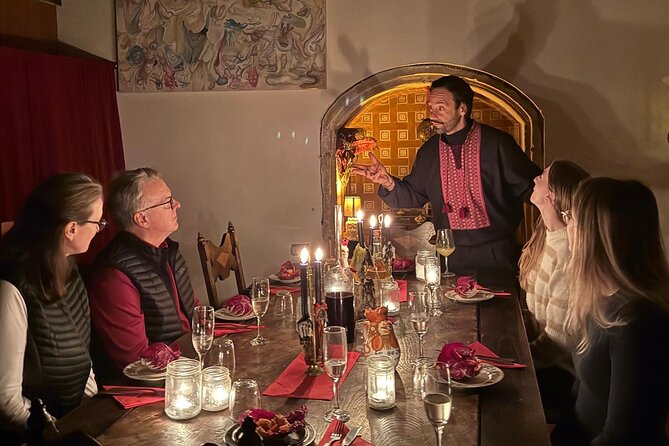
Spices turn Venice into a time machine. This is a private cooking class wrapped in a Rialto market stroll and a seriously story-driven meal in an atmospheric home. I love how the focus isn’t just food—it’s why those flavors landed in Venice, from saffron to pepper to anise and cardamom.
What I like most is the double hit: first you browse and shop with your guide, then you cook with that same spice logic at the table. I also appreciate how the host, Massimo, blends Venetian food history with practical instruction so you leave with both taste and technique.
One thing to consider: the experience isn’t a sit-down museum vibe. Expect a fair amount of standing and eating, and it’s not listed as suitable for people with conditions like epilepsy, diabetes, or high blood pressure.
In This Review
- Key highlights at a glance
- Venice’s spice route cooking class: what makes it different
- Meeting point and timing: start at Caffè Vergnano, end at Campo Santa Maria Formosa
- Rialto Market: shopping like a Venetian merchant
- The “ancient house” cooking experience: candles, tricorne, and old recipes
- Cocktails, spirits, dessert, lunch, dinner, wine tasting: a full sensory meal
- The cooking lesson itself: translating spice history into technique
- Who this is for (and who should skip it)
- Value in real terms: why 3 hours can feel like a feast
- Should you book this Venice spice cooking class?
- FAQ
- What is the duration of Ancient Venice and its spices: cooking class and market tour?
- Where do we meet for the tour?
- Is the tour private or shared?
- What language is the instructor?
- What happens during the Mercato di Rialto part?
- Is there a cooking class included?
- Can the host accommodate allergies?
- Is it wheelchair accessible?
Key highlights at a glance
- Rialto Market walk where you learn how merchants’ choices shaped what ended up on Venetian plates
- Spice storytelling tied to historic routes and named flavors like saffron, pepper, anise, and cardamom
- An “ancient house” cooking setting with candlelit ambiance and old-recipes energy, including tricorne details
- A full food and drink flow with cocktail/spirits/dessert plus lunch and dinner components
- Private, English-led experience designed around your tastes, including allergy requests
- Massimo’s hospitality: warm, fun, and focused on both history and the meal
Venice’s spice route cooking class: what makes it different
This experience is built around a simple idea: Venice didn’t just invent recipes—it traded, borrowed, and transformed flavors from around the world. You’ll start by meeting at Caffè Vergnano 1882, right in front of the door, and then head to the Mercato di Rialto to shop and look at ingredients through a Venetian lens.
The big difference from a standard cooking class is the “why.” Instead of only memorizing steps, you get the spice backstory. You’ll hear how ancient Venice connected to faraway routes and how merchants shaped what showed up in kitchens. Then, in the cooking part of the evening/day, those spices become your tools, not just your curiosity.
And yes, the vibe is theatrical in the best way—candles, an old-recipe feel, and even tricorne flair. It makes the history easier to taste.
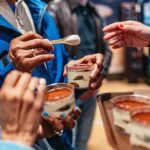
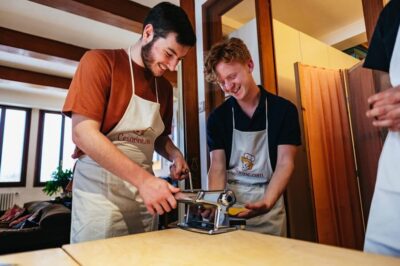
Aprons on in a Venetian kitchen, a few more
- Venice: Pasta and Tiramisu Cooking Class with Wine★ 4.9 · 1,010 reviews
- Pasta and Tiramisu Cooking Class with Wine in Venice★ 5.0 · 945 reviews
- Traditional Home Cooking Experience in Venice★ 5.0 · 377 reviews
- Market Tour and Cooking Class with a Local Venetian Chef★ 5.0 · 313 reviews
Meeting point and timing: start at Caffè Vergnano, end at Campo Santa Maria Formosa
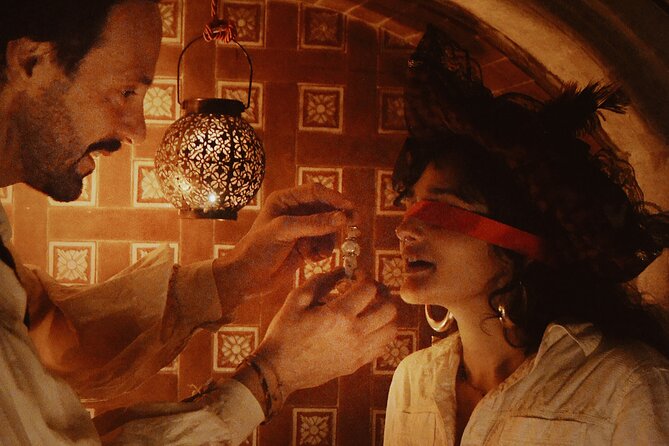
The meeting point is very specific: just in front of the door of Caffè Vergnano 1882 (coordinates: 45.438690185546875, 12.33553409576416). That matters in Venice, where it’s easy to lose time wandering side streets.
You’re in the activity for 3 hours. The format is a mix of walking and eating, not a long parade of photos. There’s about 1 hour at Rialto, then a short 10-minute on-foot transfer, and finally about 2.25 hours back in Venice with the photo stop plus the full tasting and cooking portion.
Because the itinerary includes multiple food and drink moments, you should treat it like a main-event meal. Come hungry, but not so hungry that you feel rushed in the market—take your time with questions and spice comparisons.
Rialto Market: shopping like a Venetian merchant
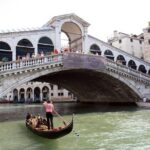
The Mercato di Rialto stop is where you get the ingredient mindset right. It’s not described as a quick peek; you get about an hour for visit, shopping, and sightseeing.
Here’s what this does for you as a traveler: it changes how you look at Venice. Instead of seeing Rialto as just a famous postcard, you start seeing it as a trading hub—exactly the theme the rest of the class follows. You’ll also have time to pick up on small differences in ingredients and understand why spices (and other flavor components) mattered to Venetians who wanted variety and prestige.
Practical note: you’ll be walking in a busy area. Comfortable shoes help. Also, since the session is private, you can usually ask your guide what to notice as you go—especially if you’re curious about which spices are most linked to Venice’s spice-story.
The “ancient house” cooking experience: candles, tricorne, and old recipes
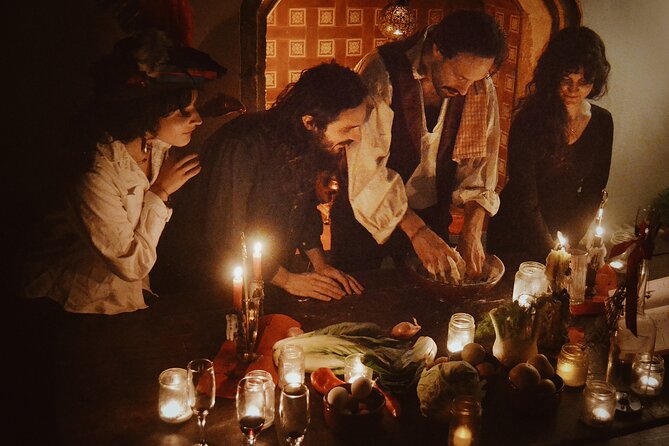
After Rialto, you’ll move on foot—just 10 minutes—to the home base in Venice. This is the part that feels most like stepping into a story.
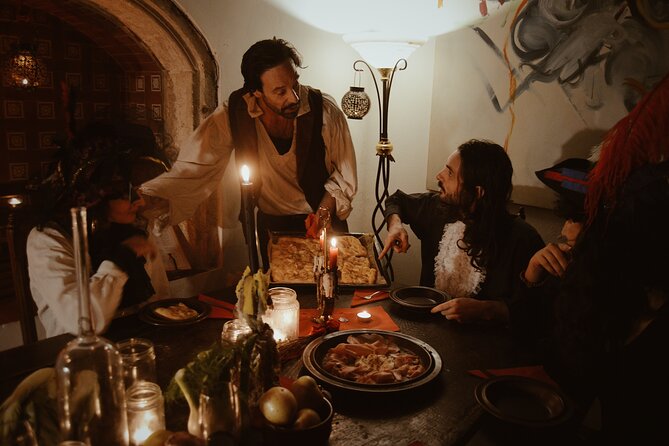
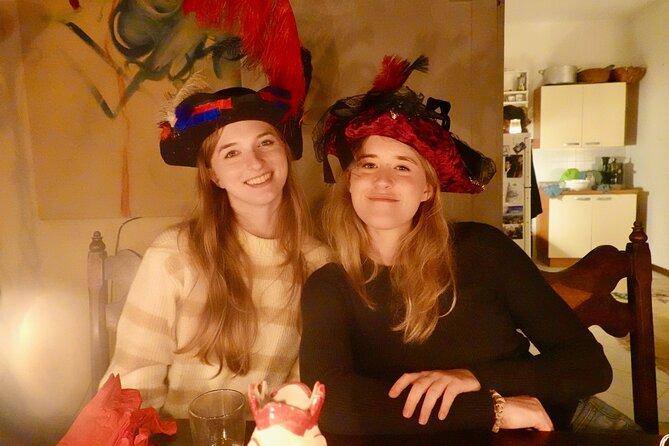
In the cooking space, the experience leans hard into atmosphere: candles, old-recipes inspiration, and that tricorne element that signals the host is treating this like a performance of sorts, not a classroom. The goal is to reconstruct dishes that echo the past, using spices as the bridge.
The concept is “ancient Venice and its spices,” with an emphasis on tasting styles connected to Marco Polo and Casanova—then adding a hint of innovation in how the dishes are presented now. You’ll hear curious Venice stories while you eat, and the guide uses the spices as the thread that connects the trade routes to your plate.
What I like about this approach: the spice focus doesn’t stay abstract. You’ll be guided toward tasting and understanding how saffron, pepper, anise, cardamom (and others) change aroma and flavor—and how those spice profiles fit Venetian dishes rather than just being random spices thrown together.
Cocktails, spirits, dessert, lunch, dinner, wine tasting: a full sensory meal
This is not a “snack then cook” class. It includes photo stop, cocktail, spirits, dessert, dinner, lunch, wine tasting, plus the cooking lesson and food tasting.
That sounds like a lot—because it is—but there’s a logic to it. The guide isn’t trying to cram you with random courses. The flow supports the theme: you’re moving through different stages of taste the way a feast would.
What you can plan for:
- You’ll likely have multiple tastings, so you won’t want to eat a big breakfast right before.
- You’ll experience alcohol components like spirits and wine tasting, so if alcohol isn’t your thing, plan accordingly.
- Because the meal can include lots of components, pace yourself and use the guide’s pauses to ask questions about spices and substitutions.
One of the strongest signals from past participants is that the meal portion can be a highlight. Some groups have enjoyed a multicourse vegetarian menu, so if your preferences lean plant-forward, tell the guide when you book. (The experience also specifically notes you can share what you prefer to taste and any allergies.)
More artisan workshops and market lanes

The cooking lesson itself: translating spice history into technique
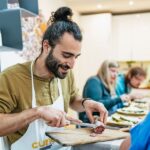
The cooking part is where you move from curiosity to hands-on learning. The format is described as a fun, interactive class—you’ll cook, play, and eat, but you’ll also learn the spice logic behind the dish.
Even without recipe details listed here, the structure is clear:
- the market gives you ingredient context
- the home base gives you the historical and spice frame
- the cooking builds the actual dish steps around those spice choices
You can expect the guide to connect spices to Venetian ingredients and flavor patterns. The point isn’t only that Venice used spices—it’s how Venetians used them. Spices like cardamom and anise often get misunderstood as “exotic” flavors. Here, you get the story that explains why those tastes would make sense in a trading city—and then you taste them in a dish context.
If you have allergies, this is especially worth noting: you’re explicitly invited to share allergies ahead of time so the class can be tailored. That doesn’t eliminate all risk in any cooking setting, but it does mean the host can plan around your needs rather than improvising.
Who this is for (and who should skip it)
This tour is ideal if you want:
- a private Venice food experience, not a crowded group shuffle
- a strong focus on spices and history tied to Venetian identity
- an evening/day meal experience with a cooking lesson in the middle
- a friendly English-speaking instructor-led approach
It may not be a good match if you need maximum accessibility. The experience is specifically listed as not suitable for wheelchair users. It’s also marked not suitable for people with epilepsy, diabetes, high blood pressure, children under 2 years (and babies under 1 year), and people over 70. If any of those apply, treat the listing as a real safety note, not a technicality.
If you’re traveling with older relatives, or if someone in your group has any of the listed medical needs, ask yourself whether you’ll be comfortable with a standing-and-eating format and whether the safety limits fit the situation.
Value in real terms: why 3 hours can feel like a feast
You’re paying for more than instruction. You’re paying for:
- time in the Rialto market with guided shopping and sightseeing
- a move into a private home setting where atmosphere matters
- a full tasting and meal flow (cocktail, spirits, dessert, plus lunch/dinner components, plus wine tasting)
- spice-focused storytelling that gives you something you can’t get from a normal restaurant meal
That’s why the value often lands well for couples, friend groups, and families who want a “main memory” activity. It’s also a good use of time if your Venice days are packed—you get an anchored experience at a specific start point and a clear finish at Campo Santa Maria Formosa.
One more value angle: the class invites customization. You can ask what you prefer to taste and raise allergies. That kind of personalization is where these experiences earn their keep, because it changes what ends up on your plate.
Should you book this Venice spice cooking class?
Book it if you want Venice food in story form—spice history with a meal attached—and you like interactive guidance that doesn’t treat ingredients like trivia. If you’re the type who enjoys wandering a market and then turning what you found into something you can taste and recreate later, you’ll likely love the format.
Skip it if you’re looking for a light, slow stroll or a fully seated, highly accessible activity. Also skip if alcohol and a multi-course meal flow would be a problem for your group, since the experience includes spirits and wine tasting as part of the program.
If you’re torn between this and a plain pasta class, pick this one for the spice theme and the extra market connection. It’s the difference between eating Venice and understanding how Venice tasted itself into history.
FAQ
What is the duration of Ancient Venice and its spices: cooking class and market tour?
It lasts 3 hours total.
Where do we meet for the tour?
You meet in front of the door of Caffè Vergnano 1882.
Is the tour private or shared?
It’s listed as a private group.
What language is the instructor?
The instructor is English.
What happens during the Mercato di Rialto part?
You spend about 1 hour at the Mercato di Rialto for visit, shopping, and sightseeing.
Is there a cooking class included?
Yes. After the market stop, you go on foot and then you have the cooking class plus food tasting.
Can the host accommodate allergies?
You’re told you can share allergies and preferences ahead of time so the instructor can prepare an appropriate cooking class.
Is it wheelchair accessible?
No. Wheelchair users are listed as not suitable for this activity.
More Tours in Venice
- Murano & Burano: Boat Tour with Guide & Glass Factory Visit
★ 4.3 · 10,716 reviews - Doge’s Palace & St. Mark’s Basilica with Terrace Access Tour
★ 4.7 · 10,697 reviews - Venice: Burano, Torcello & Murano Boat Tour w/Glassblowing
★ 4.4 · 10,245 reviews - Murano, Burano and Torcello Half-Day Sightseeing Tour
★ 3.5 · 7,928 reviews - Murano & Burano Islands Guided Small-Group Tour by Private Boat
★ 4.5 · 7,580 reviews - Venice: Doge’s Palace and St Mark’s Basilica Walking Tour
★ 4.4 · 6,291 reviews
More Tour Reviews in Venice
- Venice: Doge’s Palace Reserved Entry Ticket
★ 4.6 · 42,716 reviews - Venice: Grand Canal Gondola Ride with App Commentary
★ 4.1 · 23,020 reviews - Venice: Grand Canal Gondola Experience with Live Commentary™
★ 4.2 · 16,504 reviews - Boat Trip: Glimpse of Murano, Torcello & Burano Islands
★ 4.3 · 15,699 reviews - Venice: La Fenice Opera House Entry Ticket with Audio Guide
★ 4.6 · 11,742 reviews - Murano & Burano: Boat Tour with Guide & Glass Factory Visit
★ 4.3 · 10,716 reviews
Cook It Yourself: Venetian Kitchens
- Venice: Pasta and Tiramisu Cooking Class with Wine
★ 4.9 · 1,010 reviews - Pasta and Tiramisu Cooking Class with Wine in Venice
★ 5.0 · 945 reviews - Traditional Home Cooking Experience in Venice
★ 5.0 · 377 reviews - Market Tour and Cooking Class with a Local Venetian Chef
★ 5.0 · 313 reviews - Small Group Pasta and Tiramisu Class at Local’s Home in Venice
★ 4.5 · 236 reviews - Venice: Pasta and Tiramisu Cooking Class at a Local’s Home
★ 4.8 · 205 reviews
Fresh Off the Vaporetto: New Venice Reviews
Venetian Cooking Classes, compared.
 ★ 4.9Pasta and Tiramisu Cooking Class with WineFrom $781,010 reviews
 ★ 5.0Pasta and Tiramisu Cooking Class with Wine in VeniceFrom $76945 reviews
 ★ 5.0Traditional Home Cooking Experience in VeniceFrom $95377 reviews
 ★ 5.0Market Tour and Cooking Class with a Local Venetian ChefFrom $127313 reviews
 ★ 4.5Small Group Pasta and Tiramisu Class at Local’s Home in VeniceFrom $119236 reviews
 ★ 4.8Pasta and Tiramisu Cooking Class at a Local’s HomeFrom $215205 reviews
 ★ 4.9Yummy Cooking Class In VeniceFrom $112122 reviews
 ★ 4.9Rialto Market Tour, Cooking Class, and LunchFrom $146119 reviews
Browse the lists this tour appears in