
Review · WORKSHOPS
Creative Venice: Artisan Excellence and Craftsmen Workshops
Venice crafts don’t look like souvenirs here. This 3-hour walk turns the city’s artisan workshops into the main event, from fish-market chaos to paper and textiles made the old way. What makes it work is the in-the-know guide who keeps the story human, not museum-y.
I especially like the behind-the-counter access to small studios and shops you’d struggle to find on your own. I also love how the stops connect to real materials and real habits, like recycled shoe soles from bicycle tires and ancient loom methods for soprarizzo velvet.
One thing to plan for: the tour is a tight 15-minute rhythm at each stop, so if you want long talks or slow shopping time, you’ll need to choose what you’ll spend your attention on.
In This Review
- Key highlights worth showing up for
- Crafts Change the Way You See Venice
- Starting in Campo San Giacomo di Rialto: Old Venice as a First Clue
- Rialto Fish Market: Noise, Ice, and 800 Years of Routine
- San Polo Ceramics and a Recycling-Driven Shoe Shop
- Campo Manin Hats: Small Shop, Big Craft Supply Chain
- Campo Santo Stefano and the Master Marmorizzatore
- Chiesa di San Salvador Atelier: Art in a Cozy Space
- Murano Glass Jewelry: Hand-Made Beads and Lamp-Working Craft
- Cannaregio Textiles: Soprarizzo Velvet on 18th-Century Looms
- How the 3-Hour Format Works for Your Time and Attention
- Price and Value: What $182.17 Buys You Here
- Practical Tips So You Enjoy Every Stop
- Should You Book Creative Venice?
- FAQ
- How long is the Creative Venice crafts tour?
- How much does it cost per person?
- Is pickup included?
- What language is the tour offered in?
- Do I need to pay admission fees at the stops?
- Is this tour private or shared?
Key highlights worth showing up for
- Valerio Coppo’s craft-first storytelling: practical details, quick context, and lots of on-the-ground examples
- Rialto Pescheria atmosphere: ice, loud fishmongers, and the everyday Venice vibe
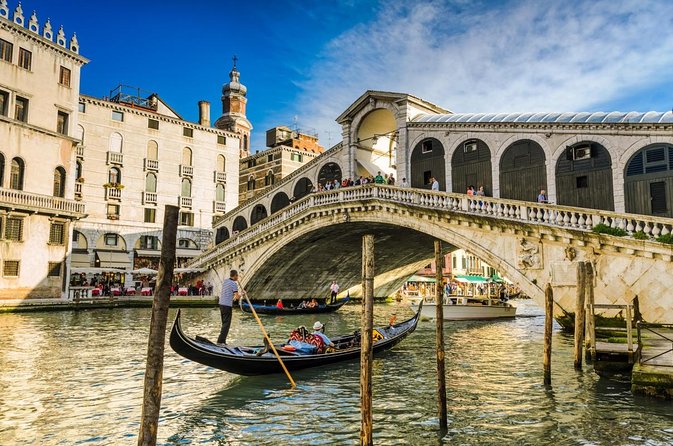
- Recycling as design: shoes made from repurposed materials, not just modern marketing
- Ancient paper techniques: marbled and themed sheets made with lagoon-inspired color work
- Murano glass jewelry by hand: lamp-working and glassmaking skills explained at close range
- Textiles on old looms: soprarizzo velvet still woven on historic equipment
Crafts Change the Way You See Venice
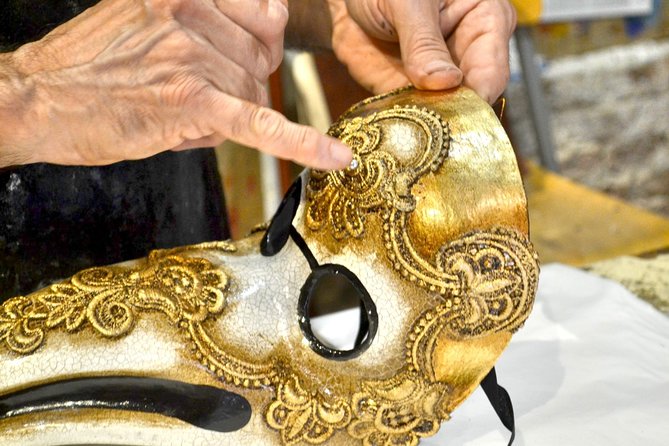
Most Venice tours give you views, stones, and shortcuts. This one gives you hands, tools, and choices. You start in the center and drift through neighborhoods where craft is still a daily job, not a staged performance.
I like that the tour doesn’t treat artisans like artifacts. It connects what you see—ceramics, hats, paper, glass, textiles—to why people keep making the same things, year after year. You get a sense of Venice as a city that lives by trade, repair, and repetition.
Worth weighing up before you book this Venice outing:
- Venice: Carnival Mask Workshop★ 4.5 · 1,925 reviews
- Venice: Pasta and Tiramisu Cooking Class with Wine★ 4.9 · 1,010 reviews
- Pasta and Tiramisu Cooking Class with Wine in Venice★ 5.0 · 945 reviews
- Create Your Glass Artwork: Private Lesson With Local Artisan★ 5.0 · 556 reviews
Starting in Campo San Giacomo di Rialto: Old Venice as a First Clue
You begin in Campo San Giacomo di Rialto, in the heart of Venice, near a church that’s traditionally considered the oldest in town. It’s a good opener because it grounds the walk in the city’s center before it starts hopping into niche workshops.
From this starting point, you get a fast orientation: where you are, what kind of lanes you’ll be walking, and what to watch for as you move. If you’ve never done Rialto-area streets before, this first stop helps you get your bearings fast.
Rialto Fish Market: Noise, Ice, and 800 Years of Routine
Next comes the Mercato del Pesce al Minuto at Rialto, and the mood flips immediately. This is the Pescheria: fish arranged in stalls under thick crushed ice, seagulls circling, and fishmongers calling out the day’s catch. It’s raw, loud, and very real.
The best part here is that the market isn’t just background scenery. It’s a reminder that Venice craft isn’t only glass and lace. Even food handling can be an art, with careful presentation and an old workflow that locals have practiced for generations.
Practical note: this stop can feel intense if you hate crowds or noise. But that intensity is the point. Bring patience, keep your eyes open, and you’ll see the choreography of a working market.
San Polo Ceramics and a Recycling-Driven Shoe Shop
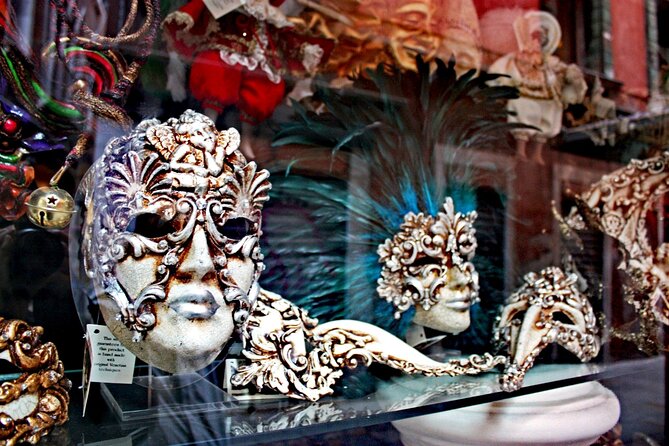
After Rialto, you head toward San Polo, where you visit a local artisan making traditional rural products. These are ceramics tied to meals, family time, and the social rhythm of home cooking and celebrating. The guide focuses on typical materials and production techniques that have faded in industrial manufacturing.
What you should look for: the bright colors and lively patterns, plus the rustic-yet-polished feeling of pieces made by hand. The message is simple—these aren’t just objects, they’re tied to a way of living.
Then you shift again to the shoe shop near the Rialto area, where the design story is built on necessity. Old bicycle tires become waterproof, hardwearing soles. Jute sack canvases become linings, and repurposed fabrics (even old clothes in some cases) become uppers. You’ll also hear how the style connects to the idea of Veneziane slippers inspired by 18th-century Serenissima elegance, made with hand-sewn craftsmanship.
If you’re the type who likes products with a cause behind them, this stop is a winner. If you’re mostly shopping for something flashy and brand-driven, this may feel more like an education than a hunt.
Campo Manin Hats: Small Shop, Big Craft Supply Chain
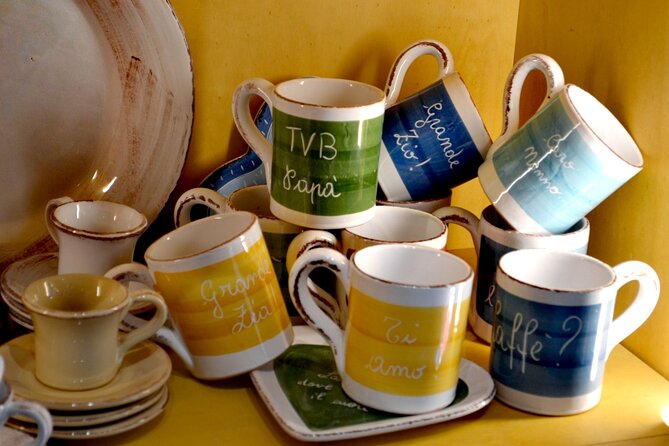
At Campo Manin, you visit a tiny hat shop that’s basically a catalog of hats in real life. You’ll see Panama hats, gondolier hats, Carnevale hats, waterproof hats, wool hats, and even wedding hats. The variety comes with a clear identity: this is a working retail shop built around craft supply and long experience.
A concrete detail I like here is the shop’s long-term sourcing. Since 1980, Giuliana has imported Panama hats directly from Ecuador. That’s not a vague story—it’s a supply chain choice, and it helps explain why the hats are such a big part of what they sell.
Also worth noting: the shop is officially recognized as a historic place of the Veneto Region. That tends to mean more than decoration; it often signals that the shop’s role in local culture is recognized.



Campo Santo Stefano and the Master Marmorizzatore
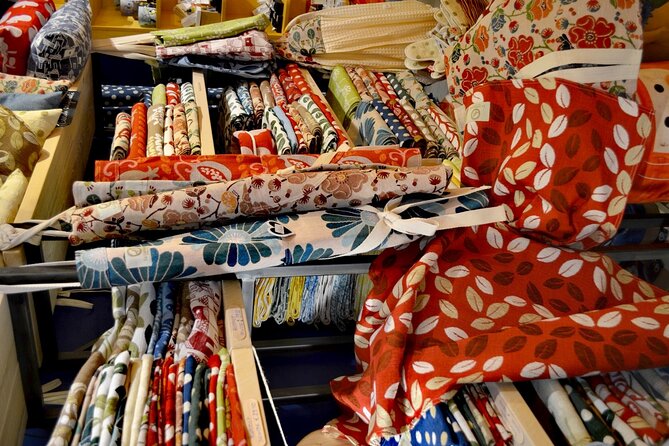
One of the most memorable stops is Campo Santo Stefano, where you meet a maestro marmorizzatore—a master papermaker. You’ll learn how ancient paper techniques are still practiced in Venice, with color effects produced by the water of the lagoon at different times of day.
This is the kind of workshop where you should slow down mentally, even if the time on-site is short. The guide’s focus is on process: how the technique creates shades, and why those paper sheets can look like they come from moving water.
Look closely at the examples. You might see floral-themed sheets (like tulips, roses, and trees), and a series of fish that smile—captured in the liquid element and then petrified on paper like fossils. It’s playful, but it’s also technical in the way materials behave.
Chiesa di San Salvador Atelier: Art in a Cozy Space
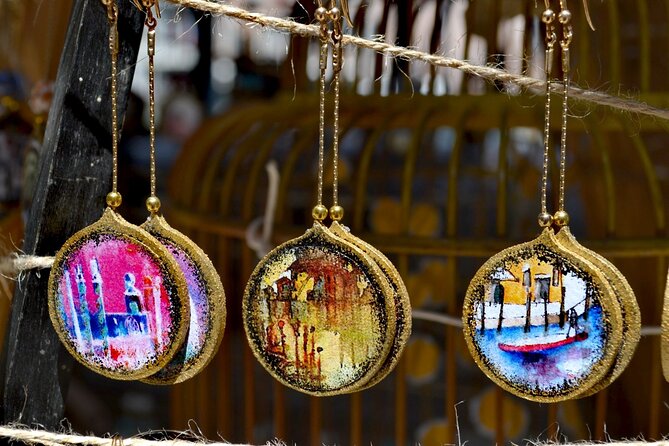
Next you visit Chiesa di San Salvador, but the emphasis isn’t on walking through a church. You’re heading to an atelier space where a couple of artists have worked since 2007 to encourage the relationship between object and viewer.
Here, you’ll see collections of original sculptures and jewelry, plus glass flowers and dreamlike iron shapes. The pieces also include reborn trees made from wood and nomadic landscapes. It’s a reminder that Venice craft doesn’t only follow one tradition; it can mix materials, textures, and moods.
Because the stop is brief, focus on what catches your eye first. If you try to scan everything equally, you’ll miss what makes the space special.
Murano Glass Jewelry: Hand-Made Beads and Lamp-Working Craft
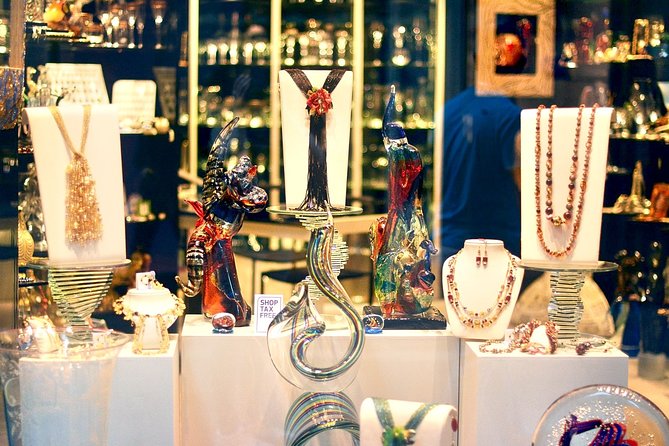
At the Ponte di Rialto area, the tour shifts into glass jewelry. You’ll visit a shop producing jewelry in Murano glass made entirely by hand using refined Venetian techniques.
What’s important here is the skill behind the product. The beads you see are hand made by little local workshops, and you’ll hear about experience across Murano glassmaking, glass blowing, and lamp-working techniques. Even in a short visit, you get a sense of how many steps exist between raw materials and the final piece.
If you’re shopping, this is where you can ask better questions than just pricing. You’ll be in a position to understand what it means when a bead is made by hand, and which technique might shape its look.
Cannaregio Textiles: Soprarizzo Velvet on 18th-Century Looms
The final craft stop lands in Cannaregio at a textile company that produces fabrics for both furnishing and high fashion. You’ll see velvets, damasks, lampases, and brocatelles. The star is soprarizzo velvet, still hand made.
Here’s the kind of detail that makes this stop feel real: soprarizzo production is carried out by and on 18 looms of the 18th century, previously belonging to the silk guild of the Republic of Venice. That’s not a marketing line you can ignore. It explains why the fabric story is tied to the city’s historical labor system, not just modern taste.
If you like textiles, take a close look at texture and thickness. Velvet can look similar from far away, but handwoven fabric often shows differences in how light lands on it.
How the 3-Hour Format Works for Your Time and Attention
The tour is about 3 hours and moves in quick, manageable segments. Each stop runs around 15 minutes, which means you’re getting concentrated exposure rather than long lectures.
This works best for you if you:
- want a “see it, understand it, move on” pace
- enjoy crafts but don’t want a full workshop day
- like having a guide steer you away from obvious tourist traps
It may not work as well if you’re the type who needs time to browse every shelf. Some shops may invite questions or small purchases, but the tour’s structure is built around seeing multiple traditions in one loop.
Also, it’s designed to be flexible. With a private tour setup, you can customize the pace and itinerary, which helps if your group needs extra time for one studio.
Price and Value: What $182.17 Buys You Here
The price is $182.17 per person, and the value is in three places.
First, you’re paying for a licensed guide plus access to places that go beyond what you’d usually stumble into. The guide’s role isn’t only narration; it’s also getting you into artisan conversations and workshops.
Second, the tour includes admission-free entry at each stop listed, so you’re not stacking extra ticket costs on top. That makes the overall math easier.
Third, the experience seems built around quality interaction, not hard selling. In practice, that matters. If you’re shopping in Venice, you want breathing room to decide later, and you don’t want the guide turning into a sales rep.
Practical Tips So You Enjoy Every Stop
Wear shoes you trust. You’ll walk between central points and market areas, and Venice streets can be uneven.
Be ready to switch modes. The Pescheria stop is loud and fast. Then you’ll move into calmer studio settings where you’ll want to hear explanations and see details up close.
If you’re interested in buying something, decide your priority early. The shoe story, marbled paper, Murano glass jewelry, and soprarizzo fabric all have different “buying moments.” It’s easier to make one thoughtful choice than to rush five impulse decisions.
If you’re not shopping, you’ll still get plenty out of the visit by focusing on technique and materials. This tour’s vibe is about seeing how things are made, not just collecting items.
Should You Book Creative Venice?
I think you should book this if you want Venice to feel like a living workshop. The mix of Rialto market energy plus studio craft—especially the recycled shoes, the master papermaker, and the Murano glass and textile stops—gives you variety without losing the craft thread.
Skip it if you mainly want big-ticket sights and long museum time. Also consider whether you’re okay with a fast rhythm. The short visits are efficient, but they’re not the format for slow browsing or deep technical immersion.
If your idea of a great day is seeing hands at work and learning how old methods survive, this is a strong match.
FAQ
How long is the Creative Venice crafts tour?
It runs about 3 hours.
How much does it cost per person?
The listed price is $182.17 per person.
Is pickup included?
Pickup is offered only if you book a private group. If not, you meet your guide at Campo San Giacomo di Rialto, near the church by the fountain in the middle of the square.
What language is the tour offered in?
The tour is offered in English.
Do I need to pay admission fees at the stops?
Admission tickets listed for the stops are free.
Is this tour private or shared?
It’s set up as a private tour/activity, so only your group participates.
Make a Little Venice to Take Home
- Venice: Carnival Mask Workshop
★ 4.5 · 1,925 reviews - Venice: Pasta and Tiramisu Cooking Class with Wine
★ 4.9 · 1,010 reviews - Pasta and Tiramisu Cooking Class with Wine in Venice
★ 5.0 · 945 reviews - Create Your Glass Artwork: Private Lesson With Local Artisan
★ 5.0 · 556 reviews - Venetian Carnival Mask Making Class in Venice, Italy
★ 4.5 · 525 reviews - Murano Glass Factory Experience: A Workshop in Venice
★ 4.0 · 437 reviews
More Tour Reviews in Venice
- Venice: Doge’s Palace Reserved Entry Ticket
★ 4.6 · 42,716 reviews - Venice: Grand Canal Gondola Ride with App Commentary
★ 4.1 · 23,020 reviews - Venice: Grand Canal Gondola Experience with Live Commentary™
★ 4.2 · 16,504 reviews - Boat Trip: Glimpse of Murano, Torcello & Burano Islands
★ 4.3 · 15,699 reviews - Venice: La Fenice Opera House Entry Ticket with Audio Guide
★ 4.6 · 11,742 reviews - Murano & Burano: Boat Tour with Guide & Glass Factory Visit
★ 4.3 · 10,716 reviews
Fresh Off the Vaporetto: New Venice Reviews

Workshops, compared.
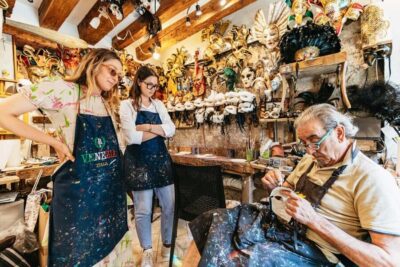 ★ 4.5Carnival Mask WorkshopFrom $911,925 reviews
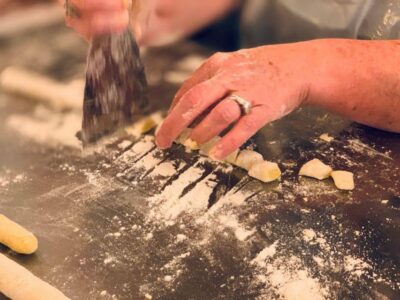 ★ 4.9Pasta and Tiramisu Cooking Class with WineFrom $781,010 reviews
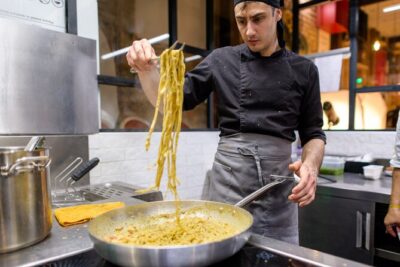 ★ 5.0Pasta and Tiramisu Cooking Class with Wine in VeniceFrom $76945 reviews
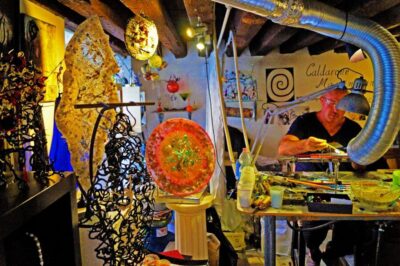 ★ 5.0Create Your Glass Artwork: Private Lesson With Local ArtisanFrom $93556 reviews
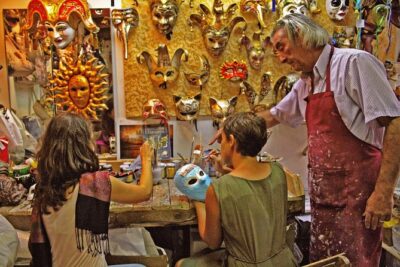 ★ 4.5Venetian Carnival Mask Making Class in Venice, ItalyFrom $83525 reviews
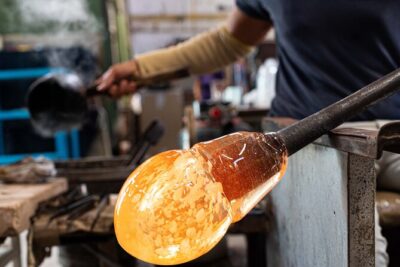 ★ 4.0Murano Glass Factory Experience: A Workshop in VeniceFrom $84437 reviews
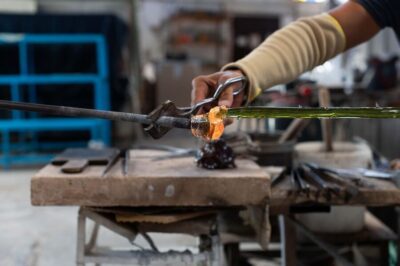 ★ 3.9Murano Glass-Blowing Demo and WorkshopFrom $82413 reviews
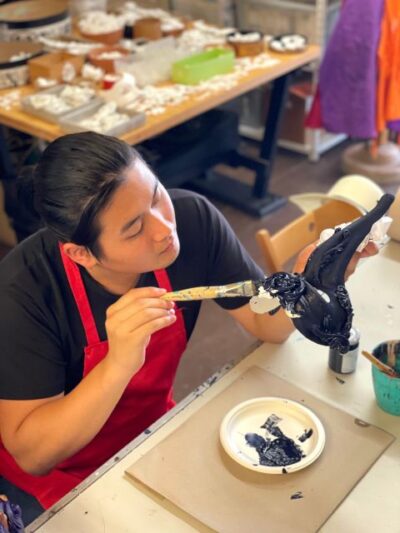 ★ 4.9Venetian Masks WorkshopFrom $71411 reviews
Browse the lists this tour appears in