Review · VENICE
Gay Life in Venice from the Middle Ages to Present Days
Venice has a secret trail of queer stories. In about two hours, you walk through corners of the city where LGBTQ life left marks in poetry, churches, marketplaces, and even pop culture.
I really like two things here: the small group size (up to eight, with an operator maximum of ten) and the way the route links everyday Venetian streets to real people and documented attitudes. I also appreciate that the guide, Valerio Coppo, is a strong storyteller and communicator in English.
One possible drawback: this is not a light, fluffy history walk. It openly discusses sex, cruising, and harsh punishments, so if you want a softer sightseeing tone, you may find the subject matter intense.
In This Review
- Key things to know before you go
- Why Gay Life in Venice feels different than a regular walking tour
- The route, timing, and what kind of walk it is
- The most important thing you’ll learn: power, punishment, and coded life
- Stop-by-stop: what you’ll see and why it matters
- Stop 1: Campo San Giacomo dell’Orio
- Stop 2: Fondamenta del Megio
- Stop 3: Chiesa Santa Maria Mater Domini
- Stop 4: Ponte delle Tette
- Stop 5: Chiesa di San Cassiano
- Stop 6: Campo San Cassiano
- Stop 7: Calle dell Ogio
- Stop 8: Campo San Giacomo di Rialto
- Stop 9: Ruga dei Oresi
- Stop 10: Palazzo Ca’ Zenobio
- Stop 11: Chiesa di San Sebastiano
- Stop 12: Campanile di San Marco
- Stop 13: Piazzetta San Marco
- Stop 14: Harry’s Bar
- Stop 15: Riva degli Schiavoni
- Stop 16: Calle del Dose da Ponte
- Stop 17: Palazzo Ca’ Dario
- Stop 18: Palazzo Mocenigo
- Stop 19: Chiesa Parrocchiale di San Martino di Castello
- What makes the tour worth your money (and where to set expectations)
- Who this tour suits best
- Practical tips so you get more from every stop
- Should you book Gay Life in Venice from the Middle Ages to Present Days?
- FAQ
- How long is the Gay Life in Venice tour?
- How much does it cost per person?
- What language is the tour offered in?
- How big is the group?
- Where does the tour start and end?
- Is the tour suitable for most people?
- Are service animals allowed?
- Do I need to worry about an access fee in Venice?
- What’s the cancellation policy?
- FAQ
- Do I get a ticket on my phone?
- What should I expect to do during the tour?
- Is there a guide included?
- What if the minimum number of travelers isn’t met?
- When will I get confirmation after booking?
- What’s the meeting point address?
Key things to know before you go
- Tiny group feel: up to eight travelers, capped at ten.
- Two-hour sprint: short stops, lots of meaning, and you’ll keep moving.
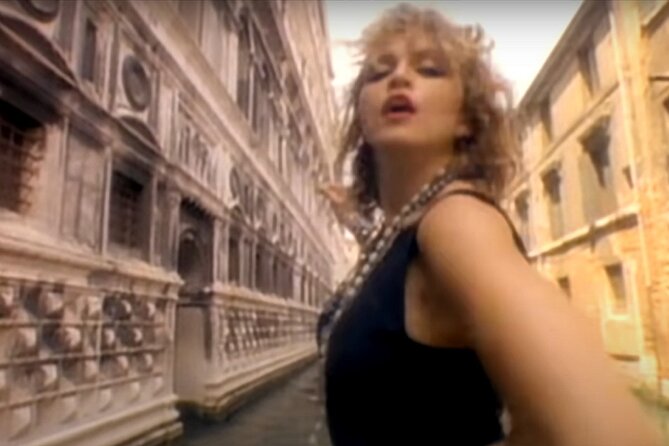
- Medieval to modern connections: from cat masks and “sodomy” trials to a late-Baroque palace linked to Madonna’s Like a Virgin.
- Churches and public spaces matter: surveillance, public messaging, and places designed for control.
- English tour with a dedicated guide: Valerio Coppo leads, with interpretive guidance.
- Ends near the Rialto area: convenient if you’re planning to keep exploring after the tour.
Why Gay Life in Venice feels different than a regular walking tour
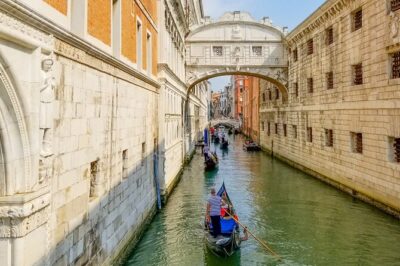
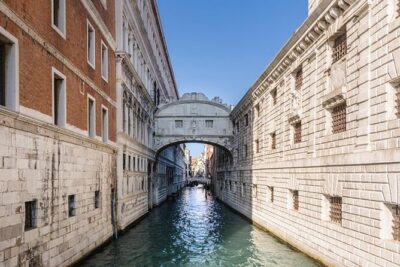
Venice is great at hiding things in plain sight: a courtyard becomes a rumor, a church arcade becomes a checkpoint, a canal-side bank becomes a meeting place. This tour treats the city like a living document. You’ll hear how LGBTQ life moved through art, work, disguises, and public policy, from the Middle Ages onward.
I also like the pacing because it matches how Venice works. You’re not stuck listening to one long lecture. Instead, you stop, look, and connect what you see to what the guide explains—then you move on before the mood cools.
Still choosing? Line this one up next to a few Venice favourites.
- Venice: Doge’s Palace Reserved Entry Ticket★ 4.6 · 42,716 reviews
- Venice: Grand Canal Gondola Ride with App Commentary★ 4.1 · 23,020 reviews
- Venice: Grand Canal Gondola Experience with Live Commentary™★ 4.2 · 16,504 reviews
- Boat Trip: Glimpse of Murano, Torcello & Burano Islands★ 4.3 · 15,699 reviews
The route, timing, and what kind of walk it is
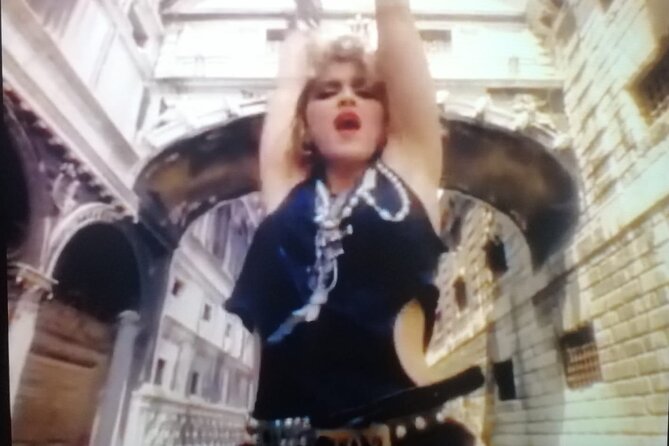
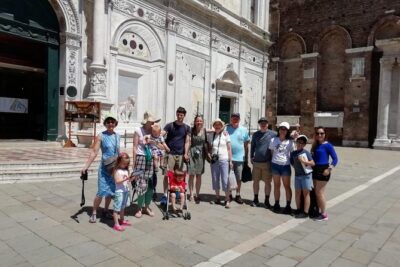
This is an approximately 2-hour group walk through central Venice, starting at Campo San Giacomo dell’Orio and ending near Ponte di Rialto. With a maximum group size of ten and typically only up to eight, the experience stays personal enough for questions without turning into a cram session.
You’ll make around a dozen-plus short stops, each roughly 10–15 minutes. That means you should dress for walking and expect “quick hits” rather than slow museum time. If you’re visiting Venice day-trip style (especially if you’re staying outside the city), plan around the local situation on access fees and check what applies.
And yes, you’re walking through the city’s most famous areas, but the angle is never generic. Instead of postcard Venice, you’ll get Venice with a knowing wink and a hard edge.
The most important thing you’ll learn: power, punishment, and coded life
A big theme runs through the whole walk: Venice did not just tolerate LGBTQ expression in private. It also tried to manage it in public.
You’ll hear about horrific punishments tied to what authorities called “sodomy,” and you’ll see how surveillance shaped where people could meet. Then the guide balances that with the cultural side—poets, historians, artists, and writers who built lives and work even under pressure.
So as you walk, try to hold two ideas at once: control was real, and so was creativity and community.
Stop-by-stop: what you’ll see and why it matters
Stop 1: Campo San Giacomo dell’Orio
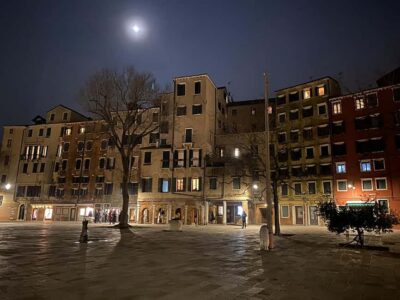
You begin where the guide points to the former home of an Italian poet who came out in the early 1970s and died by suicide years later. His writing is described as some of the first Italian poetry to openly explore homosexuality. It sets a modern, human tone right away.


Stop 2: Fondamenta del Megio
Here the focus shifts to a Venetian historian from the 15th–16th centuries, known for the Diarii chronicles. The guide also teases a detail about his kindness that is not, in the end, the simple compliment it sounds like. It’s a reminder that even official chroniclers had blind spots.
Stop 3: Chiesa Santa Maria Mater Domini
This church is presented as a case study in surveillance. In 1488, public authorities placed arcades under watch to prevent sodomites from using the spaces for cruising and meeting. You’re looking at architecture through an enforcement lens, which changes how the place feels.
Stop 4: Ponte delle Tette
One of the most visually evocative stops. The guide frames this bridge area as the red-light district of 15th-century Venice, including porticos where authorities encouraged prostitutes to display themselves. That public strategy is connected to an effort to curb sodomy—plus the lore of gnaghe, men in women’s clothes with cat masks calling like cats in heat.
Stop 5: Chiesa di San Cassiano
You’ll hear the story of Rolandina Roncaglia, described as the first trans person we know of in Italy. Born Rolandino, she lived as a woman for seven years in a house nearby, earning money by selling eggs and working around the market, then turning to prostitution. After discovery in 1355, the story ends with a terrible death.
Stop 6: Campo San Cassiano
This open square connects sexuality, performance, and state scrutiny. The guide mentions a theatre that claimed to be the first public opera house in the world, and points out that the area was also linked to homosexual encounters. Even Giacomo Casanova is used here as a historical bridge to the 18th century, when he worked as a spy for state inquisitors.
Stop 7: Calle dell Ogio
A short walk along Canal Grande where a writer and pioneer of the British gay movement met a young porter. It’s a small moment, but it helps you picture LGBTQ life as daily attraction and real relationships—not just trials and gossip.
Stop 8: Campo San Giacomo di Rialto
Near Rialto’s busy orbit, you’ll learn about a statue used as a platform for proclamations and bans, including punishments tied to sodomy. The guide describes how an officer read names of those sentenced to death from a block beside the staircase. It’s chilling precisely because it’s close to ordinary market life.
Stop 9: Ruga dei Oresi
This stop targets meeting points and risk. The guide describes a “suspicious” pharmacy associated with sodomites’ gatherings, and emphasizes how even getting close could be grounds for condemnation to death. The practical takeaway: surveillance could turn an everyday errand—or a casual stroll—into danger.
Stop 10: Palazzo Ca’ Zenobio
You’ll get a double lesson here: art history and pop culture. The late-Baroque palace is described as significant for design and interiors, and in the 18th century it became a venue for intense intellectual life. After restoration in 1993, it serves as a research center for Armenian studies. The guide also notes it as the main indoor location for Madonna’s Like a Virgin video in the 1980s, which shows how queer-coded visibility can surface in mainstream media later.
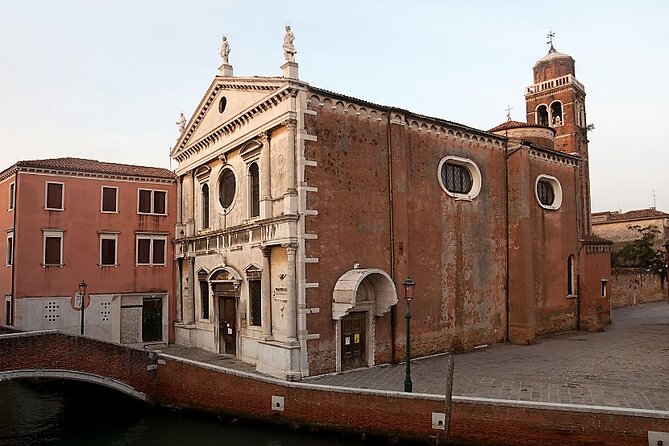
Stop 11: Chiesa di San Sebastiano
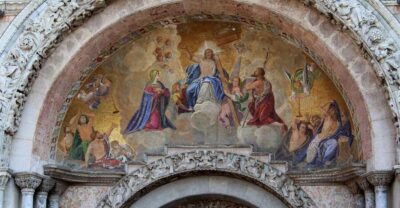
This church gets attention for its art program, especially the cycle of paintings by Paolo Veronese, who is buried here. The guide also connects San Sebastiano to LGBT symbolism, presenting the saint as a patron figure for the LGBT community worldwide. Whether you take that as devotion or cultural shorthand, it changes how you read religious art.
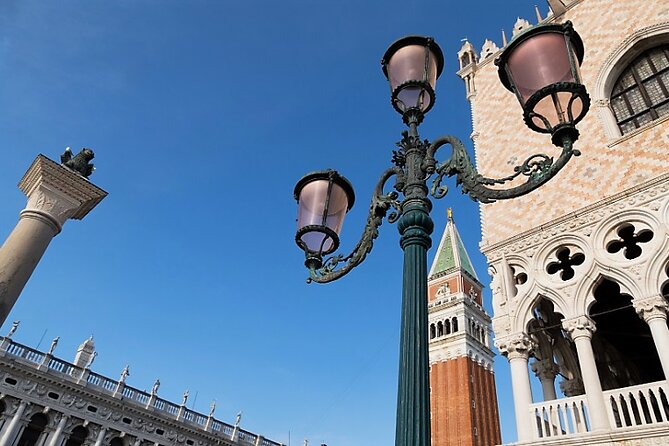
Stop 12: Campanile di San Marco
Outside Venice’s tallest bell tower, the guide points to an iron cage called the cheba from the 15th century onward into the 16th century. It was used to expose certain priests to bad weather and crowd taunts. You’ll likely feel the cruelty of a public spectacle—especially since it’s framed as a punishment and humiliation tool.
Stop 13: Piazzetta San Marco
Between two columns here, executions took place up to the mid-17th century. Casanova is referenced again to underline that this was not abstract. The guide makes a point of tying this place back to public announcements and state power, reinforcing that the government’s message was aimed at everyday people.
Stop 14: Harry’s Bar
Now you pivot toward modern queer travel history. The guide brings you to Harry’s Bar and explains that it was a well-known gathering spot for gay travelers up to the 1970s. Even though the founder supposedly dismissed it as rumor, the stop captures how social scenes form and how legends often tell the truth.
Stop 15: Riva degli Schiavoni
This is a love-story stop with a literary flavor: a palace where a staged romance involved a Venetian rower and a famous German writer. It’s brief, but it helps you connect intimacy and performance to Venice’s built environment.
Stop 16: Calle del Dose da Ponte
Here the guide points to a hotel where a famous lesbian American painter once lived. The emphasis is on her collecting love affairs with men and women, showing again that art and relationships tangled together. Even with limited details, the stop communicates that queer women’s stories exist here too.
Stop 17: Palazzo Ca’ Dario
This palace is described as known for a chain of unfortunate events involving some of its owners, many of whom were gay. The takeaway is that “private life” in Venice didn’t stay private forever. Status, property, and rumor all collided.
Stop 18: Palazzo Mocenigo
Another palace stop tied to a British poet. The guide frames the poet’s complex sentimental and sexual life as including a more or less important bisexual component, and connects that nuance to Venice’s long-running tradition of social ambiguity and role-playing.
Stop 19: Chiesa Parrocchiale di San Martino di Castello
You end with a final look at medieval-era policing of nightlife. The guide notes that in ancient times the church had a porch that a 1450 law listed as a place for night sodomites cruising. It’s an intense last note: the tour returns to the idea that public architecture could be used—and targeted.
What makes the tour worth your money (and where to set expectations)
At $92.63 per person for about two hours, you’re paying for more than “guiding.” You’re paying for interpretive storytelling that transforms normal streets into a readable narrative. The value comes from the concentration of stops and the way each one is given a specific thread: art, enforcement, rumor, and later visibility.
Also, because the group is capped small, you’re more likely to get questions answered and to feel like you’re on a focused walk rather than a cattle-route history lecture. Valerio Coppo’s style is described as both professional and warm, and that matters because some stops are hard.
Set expectations: this is not a gallery tour, and it’s not a slow-moving “sit down and relax” experience. You’ll walk, listen, and take in a lot quickly. And the tone can be blunt about punishment and sex.
Who this tour suits best
This is a great match if you:
- Want Venice through LGBTQ history rather than standard monuments
- Like city walks where the guide explains why specific architecture mattered
- Are comfortable with stories that include cruising, disguises, and harsh consequences
It might not be the best match if you want purely romantic Venice vibes with minimal mention of sexuality and state violence. The tour does not shy away from that side of history.
Practical tips so you get more from every stop
- Wear shoes that handle uneven Venetian streets. Even when stops are short, the transfer time adds up.
- Bring a quick note-taking habit. The route is full of names and dates, and writing just a few keywords makes the stories stick.
- Pace your expectations: each location is brief, so let the guide’s connections do the heavy lifting.
- Plan what you’ll do after. Since you end near Ponte di Rialto, it’s easy to pivot to dinner or a final wander while the story is still in your head.
Should you book Gay Life in Venice from the Middle Ages to Present Days?
I think you should book it if you want a Venice that feels real—messy, political, artistic, and very human. The tour’s biggest strength is that it connects LGBTQ life to exact places, from churches and plazas to palaces and a bar. It’s also led by Valerio Coppo, who comes across as a careful storyteller and communicator.
I’d skip it if you prefer sanitised history or if you really need a light, romance-first walking tour. But if you can handle sensitive topics, this is one of the more distinctive ways to read Venice with your eyes open.
FAQ
How long is the Gay Life in Venice tour?
It runs for about 2 hours (approx.).
How much does it cost per person?
The price listed is $92.63 per person.
What language is the tour offered in?
The tour is offered in English.
How big is the group?
The tour is described as capped at eight travelers, and the experience listing also states a maximum of ten travelers.
Where does the tour start and end?
It starts at Campo San Giacomo dell’Orio and ends at Ponte di Rialto.
Is the tour suitable for most people?
The listing says most travelers can participate.
Are service animals allowed?
Yes, service animals are allowed.
Do I need to worry about an access fee in Venice?
On certain dates, if you’re staying outside Venice and visiting for the day, you may need to pay a €5 access fee. The listing directs you to https://cda.ve.it to check applicable dates and exemptions.
What’s the cancellation policy?
Cancellation is free up to 24 hours in advance for a full refund.
FAQ
Do I get a ticket on my phone?
Yes, the tour uses a mobile ticket.
What should I expect to do during the tour?
You’ll do a walking route with multiple short stops (around 10 to 15 minutes each) tied to LGBTQ history across different eras.
Is there a guide included?
Yes. You get a tour leader and a nature and interpretive guide.
What if the minimum number of travelers isn’t met?
If the tour is canceled because the minimum isn’t met, you’ll be offered a different date or a full refund.
When will I get confirmation after booking?
Confirmation is received at the time of booking.
What’s the meeting point address?
The start is listed as Campo San Giacomo dell’Orio, 30135 Venezia VE, Italy. The end is listed near Ponte di Rialto, 30125 Venice, Metropolitan City of Venice, Italy.
More Tour Reviews in Venice
- Venice: Doge’s Palace Reserved Entry Ticket
★ 4.6 · 42,716 reviews - Venice: Grand Canal Gondola Ride with App Commentary
★ 4.1 · 23,020 reviews - Venice: Grand Canal Gondola Experience with Live Commentary™
★ 4.2 · 16,504 reviews - Boat Trip: Glimpse of Murano, Torcello & Burano Islands
★ 4.3 · 15,699 reviews - Venice: La Fenice Opera House Entry Ticket with Audio Guide
★ 4.6 · 11,742 reviews - Murano & Burano: Boat Tour with Guide & Glass Factory Visit
★ 4.3 · 10,716 reviews