
Review · MURANO & BURANO ISLAND TOURS
Glass Lampwork Workshop and Walking in Murano
Murano is where glass stops being a souvenir. On this 2-hour small-group outing with Valerio (deTourist Venice), I like that you get the story of Murano’s craft through real working places: a glass artisan stop plus a hands-on lampwork option. You also walk Murano’s quieter lanes with church stops, including a chance to see the Byzantine-style mosaics in the Duomo area. One thing to consider up front: the guided tour includes the artisan visit, but the actual bead-making workshop costs an extra €30 if you want to take something home.
In This Review
- Key things I’d book for
- Murano’s Working-Glass Reality (Not Just Window Shopping)
- What the 2 Hours Actually Feels Like
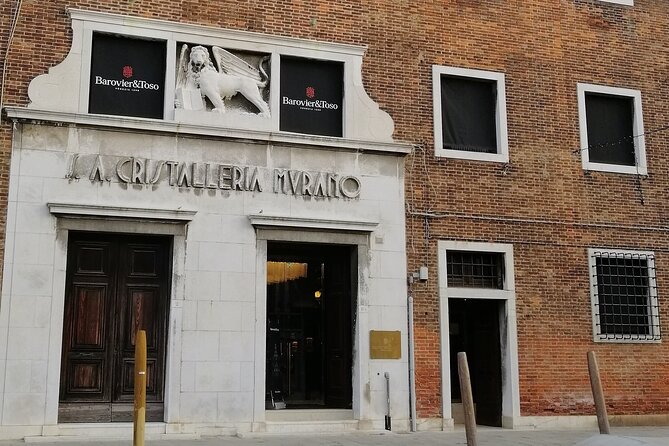
- Palazzo Barovier & Toso: Starting Where the Brand Meets the Craft
- Church Stops That Make Murano Make Sense
- Chiesa di San Pietro Martire
- Duomo di Murano Santi Maria e Donato (and the mosaics)
- Chiesa di Santa Maria degli Angeli
- Palazzo da Mula: A Pause for Architecture
- Glass Artisan Visit: See the Tradition, Then Make It Personal
- The optional €30 lampwork bead workshop
- The Real Value Behind the $92.92 Price
- Logistics That Matter (And How to Avoid Friction)
- Who This Tour Is Best For
- Should You Book This Murano Glass-and-Walk Tour?
- FAQ
- How long is the Glass Lampwork Workshop and Walking in Murano tour?
- How much does the tour cost?
- Is the tour in English?
- How many people are in each group?
- What’s included in the tour?
- Is the lampwork bead workshop included?
- Where does the tour start and end?
- Are there any extra access fees for some visitors?
- What if I want to see the church mosaics?
Key things I’d book for
- Small group (max 15) so the guide can keep it moving without turning it into a glass-factory conveyor belt
- Valerio’s local perspective on Murano’s working culture, not just the tourist brochure version
- Visit to the oldest active glass factory since 1295 via a showroom stop
- Church walking stops that ground Murano in art history, including the Duomo mosaic area
- Lampwork is optional but memorable if you pay for the workshop and make your own bead
Murano’s Working-Glass Reality (Not Just Window Shopping)
If Venice feels like a stage set, Murano feels like a job. The whole island’s identity is tied to glassmaking, so even the stops that look “museum-ish” usually connect back to what people still do here.
I also like that this tour takes you beyond the busiest shoreline view. You don’t just hop from one photo spot to another. You get a guided walk that ties craft, buildings, and faith together, which makes the island feel more like a place you could live than a checklist you can finish.
The group size matters. With a maximum of 15, you’re not lost in the crowd at each stop. That makes the factory and church segments easier to follow, and it gives you a chance to ask practical questions without shouting across the room.
Further out: more days across Murano and Burano
- Boat Trip: Glimpse of Murano, Torcello & Burano Islands★ 4.3 · 15,699 reviews
- Murano & Burano: Boat Tour with Guide & Glass Factory Visit★ 4.3 · 10,716 reviews
- Venice: Burano, Torcello & Murano Boat Tour w/Glassblowing★ 4.4 · 10,245 reviews
- Murano, Burano and Torcello Half-Day Sightseeing Tour★ 3.5 · 7,928 reviews
What the 2 Hours Actually Feels Like
On paper, it’s about 2 hours, and in practice it’s a compact, efficient loop. Plan for quick transitions: a little walking, a couple of interior/outdoor moments, then the artisan segment.
This tour is offered in English, and it’s set up to work for most people. That said, you are walking around an island and stepping into churches/showrooms, so comfortable shoes are not optional. Murano can be uneven in places, and the schedule doesn’t include long breaks.
Also note that the tour starts and ends at the same meeting spot, back at the beginning. That’s helpful for planning lunch or gelato right after, especially if you’re staying in Venice for the day.
Palazzo Barovier & Toso: Starting Where the Brand Meets the Craft
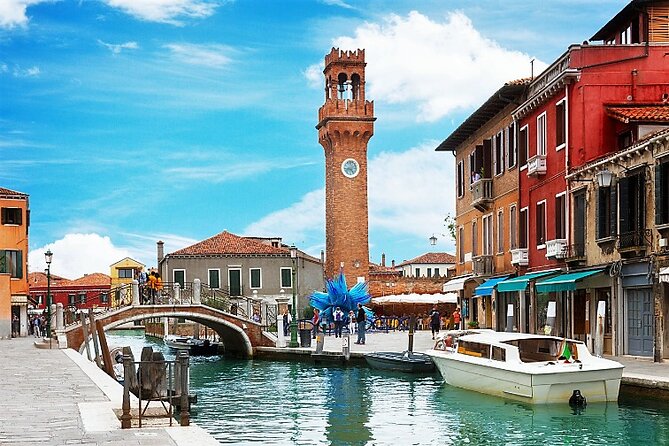
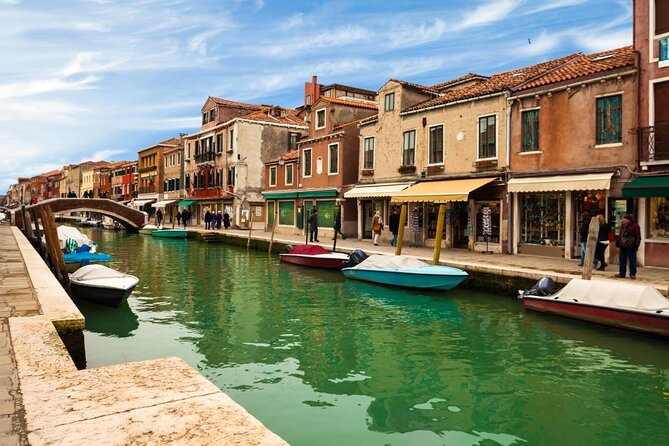
You begin at Faro di Murano (Fondamenta Piave F. M., 30141 Venezia VE), then move to Palazzo Barovier & Toso. This first stop sets the tone: you’re not just hearing that glass is important. You’re seeing how it’s presented, refined, and linked to a wider glassmaking identity.
From there, you’ll also reach the showroom of the oldest glass factory active since 1295. Even if you’re not a glass expert, the showroom approach helps you understand how tradition gets packaged for visitors, collectors, and designers today. It’s a good moment to reset your expectations: Murano glass is not only old technique. It’s also design choices, modern tastes, and the reality of keeping skills alive.
Church Stops That Make Murano Make Sense
Murano’s churches aren’t random scenery. They help you understand the island as a community, where craft and daily life have shared space for centuries.
Here’s how the church segment shapes the experience:
Chiesa di San Pietro Martire
This is the kind of church stop that works well on a short tour. You’re guided through what to notice, so you don’t spend your time guessing. If you like seeing how art and architecture reflect local priorities, you’ll appreciate this stop because it’s tied into the walk rather than tacked on at the end.
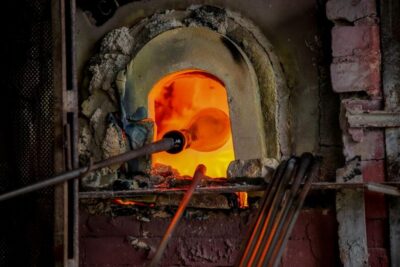
More furnaces lit on Murano

Duomo di Murano Santi Maria e Donato (and the mosaics)
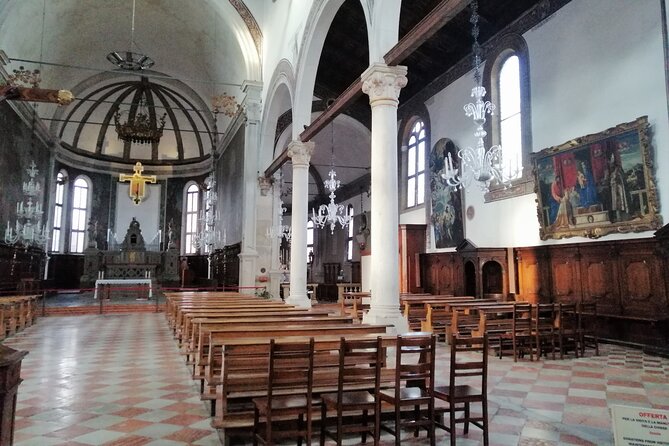
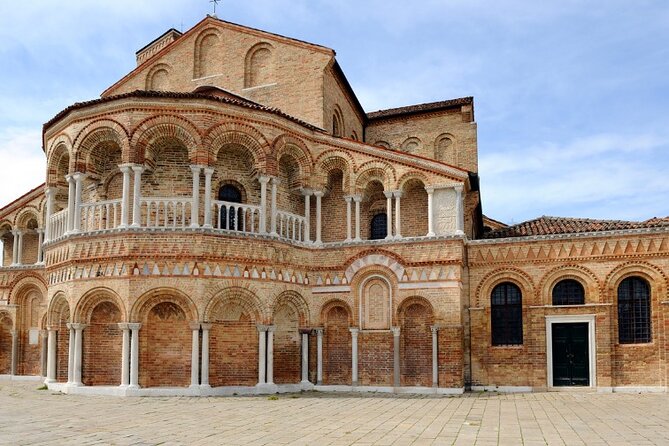
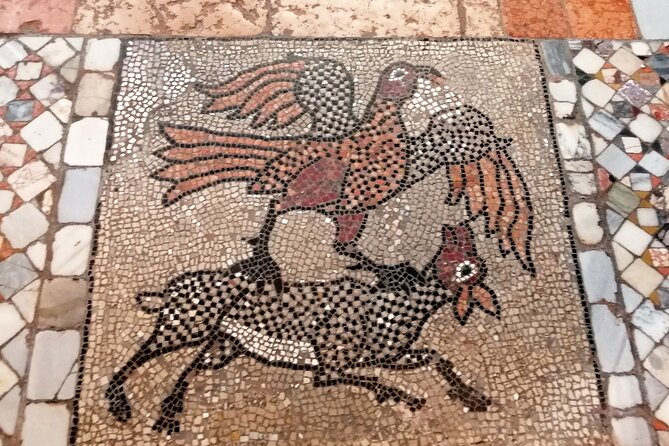
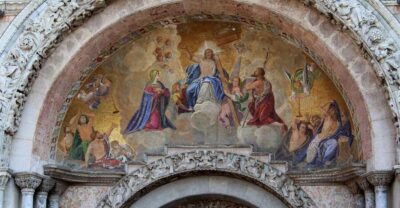
One of the biggest “slow down” moments is the Duomo area, specifically because the tour includes the chance to see Byzantine-style 12th-century mosaics. Mosaics are detail-heavy, and on a short visit, you’ll be glad someone points you toward what’s worth your attention.
If you tend to rush through churches on your own, this is where a guide pays off. The mosaics are visually striking, but they can also feel abstract until you know what you’re looking for.
Chiesa di Santa Maria degli Angeli
By the time you reach Chiesa di Santa Maria degli Angeli, the walking tour has already taught you how Murano “reads” as you move. This final church stop helps you connect the dots between faith, art, and the island’s long creative timeline.
Palazzo da Mula: A Pause for Architecture
Between churches, you also stop at Palazzo da Mula. It’s not just a pretty façade. In a short tour, these palazzo moments give you variety so the experience doesn’t feel like only glass + only churches. Think of it as a breather that also expands your sense of what Murano’s wealth and patronage looked like.
Glass Artisan Visit: See the Tradition, Then Make It Personal
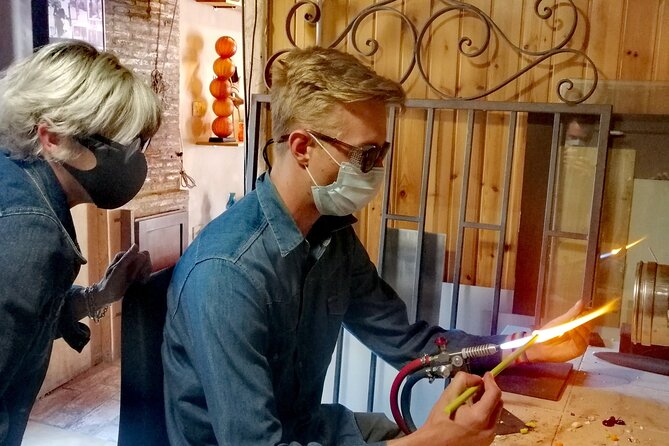
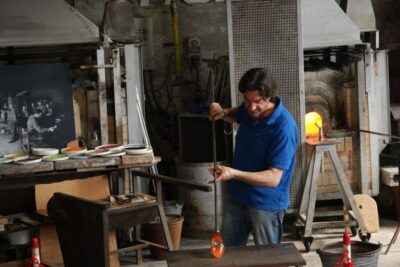
The tour includes a visit to a glass artisan for either lampwork or glass blowing. Even without paying extra, this part is one of the best reasons to choose this outing. You see how the work is done, and you get the context that turns the craft from “cool art” into “serious skill.”
The optional €30 lampwork bead workshop
If you want to go from watching to creating, you can add the hands-on lampwork workshop on site for €30. This is where you make a Venetian bead you can take home.
In past groups, the workshop has been taught by a local artisan named Monica, and the teaching style is hands-on and patient. The goal isn’t to produce perfect museum glass in minutes. The goal is to give you a real taste of the technique and to create one tangible memory of Murano.
One practical tip I love from real experience: if you plan to eat right after, factor in bead cooling time. Your bead needs to cool properly, and you don’t want lunch to turn into a frantic wait-and-hope plan. If you’re going out for cichetti nearby, do it after you’ve finished and your glass has time to settle.
The Real Value Behind the $92.92 Price
At $92.92 per person, you’re paying for more than “a Murano walk.” You’re paying for:
- A small-group guide (max 15) who can keep you on track without rushing you through every stop
- A factory showroom visit tied to a glassmaking legacy active since 1295
- A glass artisan visit where you see techniques in action
- Church and architecture stops that make Murano feel cohesive rather than scattered
Yes, the €30 bead workshop is extra if you want it. But that’s also part of the value: you control your level of participation. If you just want the craft demonstration and the walking tour, you can keep costs tighter. If you want the “I made this” souvenir, you pay for the workshop and you’re not just buying a trinket at a shop.
Also check the math if you’re coming from outside Venice. Some dates require a €5 access fee for day visitors from outside Venice. That fee depends on the day, and exemptions may apply, so it’s worth checking before you go.
Logistics That Matter (And How to Avoid Friction)
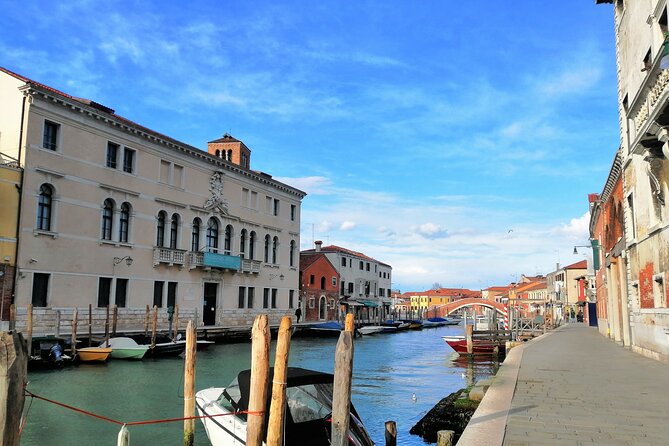
This tour starts at Faro di Murano and ends back there. That’s convenient, and it’s easier to plan your afternoon than trips that drop you across town.
Two practical tips to keep things smooth:
- Be early at the meeting point. Murano is calm, but details matter, and you don’t want to miss the handoff.
- Check meeting point updates close to departure. On at least one day, the meeting point was shifted due to construction, so arriving a bit early gives you margin if something changes on the ground.
For timing, remember that a lampwork bead takes time to be safe to handle afterward. If you’re squeezing the tour between other Venice priorities, leave room for the workshop segment to play out at a normal human pace.
Who This Tour Is Best For
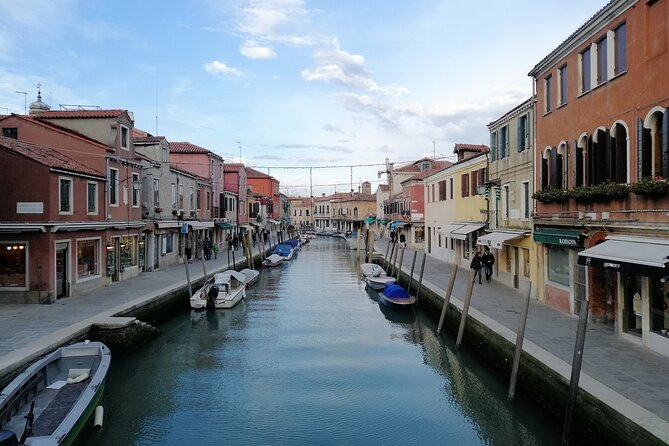
This is a great fit if you want Murano to feel real and connected. Specifically:
- You like craft you can watch and also understand
- You’re curious about Murano’s glassmaking heritage beyond the usual shopping sprint
- You want a short, structured walk that includes churches and art moments
- You’re traveling with family or friends who will enjoy an experience you can actively participate in (the bead option)
If you only want glass factory shopping, this probably isn’t your best match. This tour is about seeing and learning, with the option to create.
Should You Book This Murano Glass-and-Walk Tour?
I’d book it if you want a Murano day that feels grounded: factory context, church mosaics, and a guided island walk that stays focused for about two hours. The small group size is a big part of the quality, and the artisan component makes it more than a sightseeing loop.
I would hesitate if you’re trying to keep costs fully tight and you know you won’t do the €30 lampwork workshop. In that case, you’d still enjoy the artisan visit and the showrooms, but you may feel like the price is geared toward the full experience.
If you can handle one extra payment for the bead (and you’re okay with the time needed for cooling afterward), this is one of the better ways to get an authentic Murano moment without turning it into chaos.
FAQ
How long is the Glass Lampwork Workshop and Walking in Murano tour?
It lasts about 2 hours.
How much does the tour cost?
The price is $92.92 per person.
Is the tour in English?
Yes, it’s offered in English.
How many people are in each group?
The group size is limited to a maximum of 15 travelers.
What’s included in the tour?
You get a tour leader and nature and interpretive guide, a visit to a glass artisan (glass lampwork or glass blowing), and a visit to the showroom of the oldest glass factory in the world.
Is the lampwork bead workshop included?
The hands-on workshop is optional. It costs €30 and is paid on site. The tour includes a glass artisan visit (lampwork or glass blowing), even if you skip the hands-on part.
Where does the tour start and end?
It starts at Faro di Murano (Fondamenta Piave F. M., 30141 Venezia VE, Italy) and ends back at the same meeting point.
Are there any extra access fees for some visitors?
On certain dates, some day visitors staying outside of Venice may need to pay a €5 access fee. You’ll need to check which days apply and whether exemptions exist.
What if I want to see the church mosaics?
The experience includes a stop at Duomo di Murano Santi Maria e Donato, with mention of Byzantine-style 12th-century mosaics as part of the visit.
More Tour Reviews in Venice
- Venice: Doge’s Palace Reserved Entry Ticket
★ 4.6 · 42,716 reviews - Venice: Grand Canal Gondola Ride with App Commentary
★ 4.1 · 23,020 reviews - Venice: Grand Canal Gondola Experience with Live Commentary™
★ 4.2 · 16,504 reviews - Boat Trip: Glimpse of Murano, Torcello & Burano Islands
★ 4.3 · 15,699 reviews - Venice: La Fenice Opera House Entry Ticket with Audio Guide
★ 4.6 · 11,742 reviews - Murano & Burano: Boat Tour with Guide & Glass Factory Visit
★ 4.3 · 10,716 reviews
The Furnaces of Murano
- Murano & Burano: Boat Tour with Guide & Glass Factory Visit
★ 4.3 · 10,716 reviews - Venice: Burano, Torcello & Murano Boat Tour w/Glassblowing
★ 4.4 · 10,245 reviews - Venice: Murano & Burano Panoramic Boat Tour w/ Glassblowing
★ 4.4 · 6,212 reviews - Murano, Burano, Torcello: Tour with Guide & Glass Factory
★ 4.4 · 6,187 reviews - Murano & Burano Guided Tour by Private Boat with Glassmaking
★ 4.7 · 5,658 reviews - Venice Islands: Murano Glass & Burano Colors Guided Visit
★ 4.5 · 4,581 reviews
Out to Murano and Burano
- Boat Trip: Glimpse of Murano, Torcello & Burano Islands
★ 4.3 · 15,699 reviews - Murano & Burano: Boat Tour with Guide & Glass Factory Visit
★ 4.3 · 10,716 reviews - Venice: Burano, Torcello & Murano Boat Tour w/Glassblowing
★ 4.4 · 10,245 reviews - Murano, Burano and Torcello Half-Day Sightseeing Tour
★ 3.5 · 7,928 reviews - Murano & Burano Islands Guided Small-Group Tour by Private Boat
★ 4.5 · 7,580 reviews - Venice: Murano & Burano Panoramic Boat Tour w/ Glassblowing
★ 4.4 · 6,212 reviews
Fresh Off the Vaporetto: New Venice Reviews
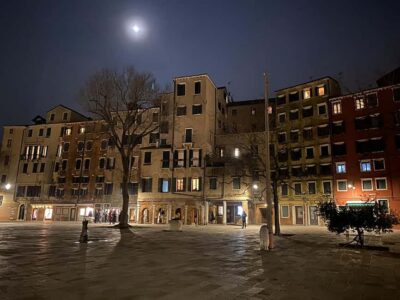
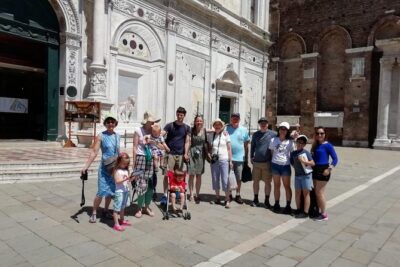
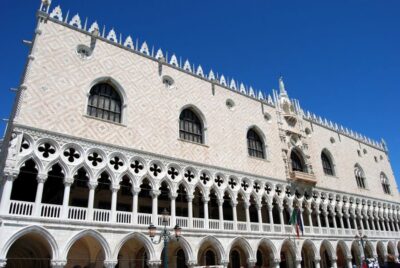
Murano & Burano Island Tours, compared.
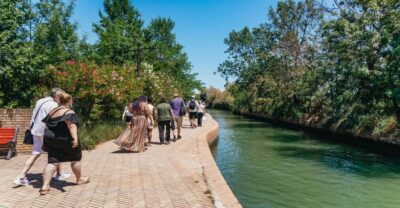 ★ 4.3Boat Trip: Glimpse of Murano, Torcello & Burano IslandsFrom $2915,699 reviews
 ★ 4.3Murano & Burano: Boat Tour with Guide & Glass Factory VisitFrom $2310,716 reviews
 ★ 4.4Burano, Torcello & Murano Boat Tour w/GlassblowingFrom $2810,245 reviews
 ★ 3.5Murano, Burano and Torcello Half-Day Sightseeing TourFrom $257,928 reviews
 ★ 4.5Murano & Burano Islands Guided Small-Group Tour by Private BoatFrom $367,580 reviews
 ★ 4.4Murano & Burano Panoramic Boat Tour w/ GlassblowingFrom $296,212 reviews
 ★ 4.4Murano, Burano, Torcello: Tour with Guide & Glass FactoryFrom $286,187 reviews
 ★ 4.7Murano & Burano Guided Tour by Private Boat with GlassmakingFrom $355,658 reviews
Browse the lists this tour appears in