
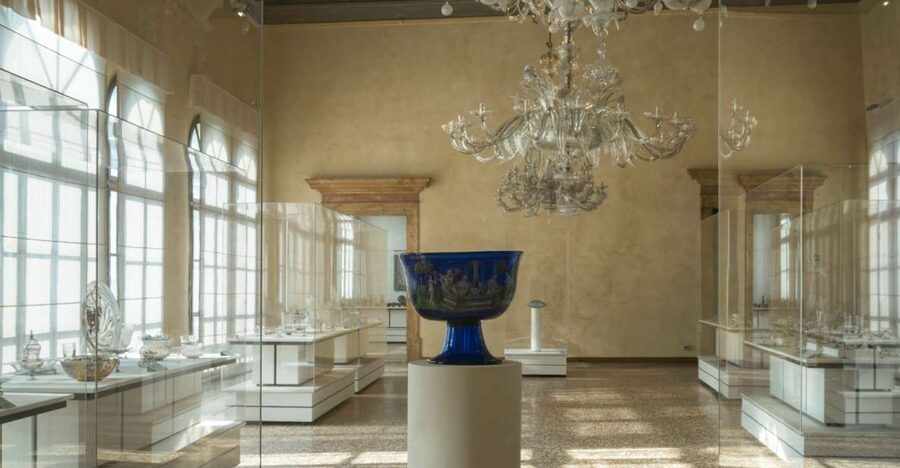
Review · MURANO & BURANO ISLAND TOURS
Murano: Glass Museum Entry Ticket
Murano is where Venetian glass gets real. This Glass Museum entry ticket lets you tour Murano’s major collection at your own pace, with a clear timeline of how techniques changed over centuries. I especially like that the museum is built for people who care about Murano glass jewelry and glassblowing, not just quick sightseeing.
Two things I’d highlight for value: you get access to the largest historical collection of Murano glass in the world, and you’ll be able to follow the craft in chronological order so you can see how styles and methods evolved. The biggest possible drawback is also the simplest: there’s no live guide, so you’ll rely on exhibit text and your own questions.
If you’re visiting during the summer Venice access-fee period, double-check what you’ll owe. On certain days between 18 April 2025 and 27 July 2025, you may need to pay an Access Fee to the City of Venice, unless you qualify for an exemption.
In This Review
- Key things to know before you go
- Why Murano’s Glass Museum is worth your time
- Price and value: $11 for a focused Murano glass education
- Getting there on Murano day: use the transport option if you can
- Inside the museum: a self-paced, chronological route
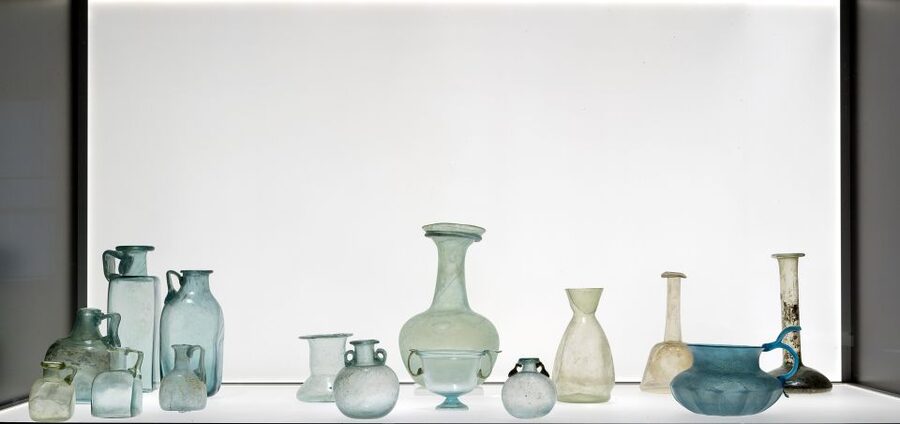
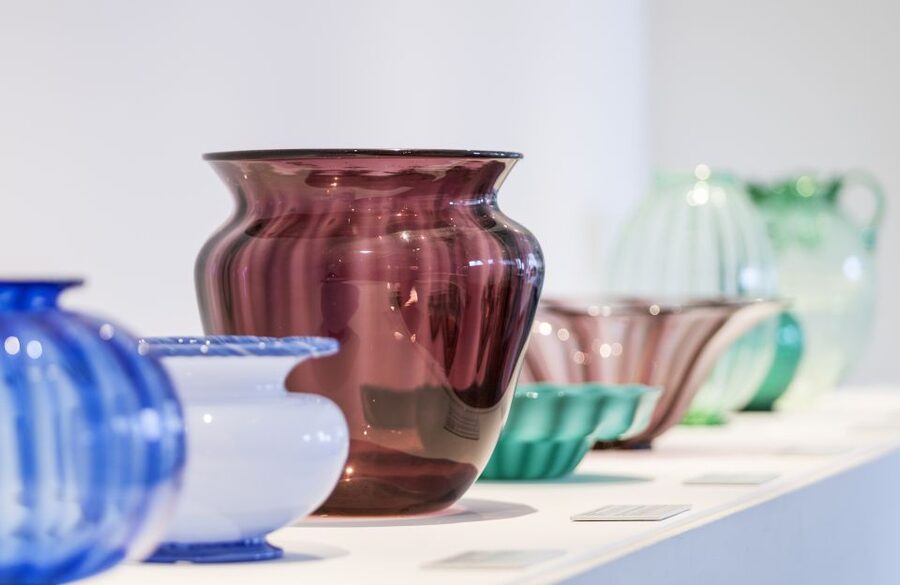
- What you’ll see: 17th-century work and famous masterpieces
- Glassblowing secrets: technique you can actually visualize
- How long to plan: a 1-day ticket, no rushing required
- Dates to watch: the Venice Access Fee during summer 2025
- Who this museum entry ticket is best for
- Should you book this Murano Glass Museum ticket?
- FAQ
- How much is the Murano Glass Museum entry ticket?
- Where is the Glass Museum located?
- How long is the ticket valid?
- Is a live guide included?
- Does this include transportation to Murano?
- Are there refunds?
- Are there timed entry starting times?
- Is the museum wheelchair accessible?
- Do I need to pay a Venice Access Fee during certain dates?
Key things to know before you go
- Self-paced museum time: no group herding, so you can linger where the glass grabs you.
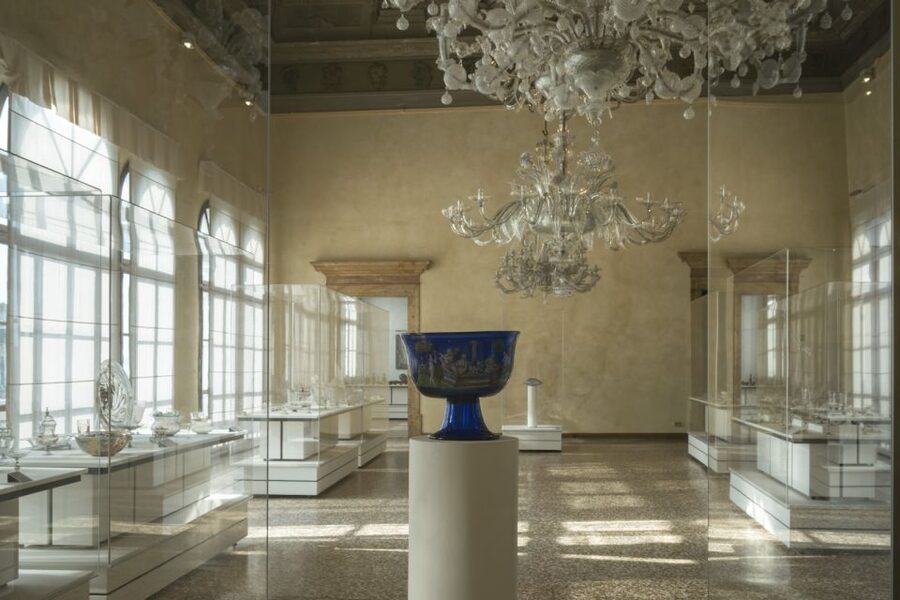
- Big collection, organized clearly: the displays follow a chronological path through Murano glass art.
- 17th-century glasswork included: you’ll see older pieces that help explain how today’s look developed.
- Craft focus: expect explanations of Venetian glass techniques and glassblowing secrets.
- Good match for jewelry lovers: the museum is especially appealing if Murano rings, pendants, and glass beads are your thing.
- No live guide: great for independent visitors; less ideal if you want narration and context delivered aloud.
Why Murano’s Glass Museum is worth your time
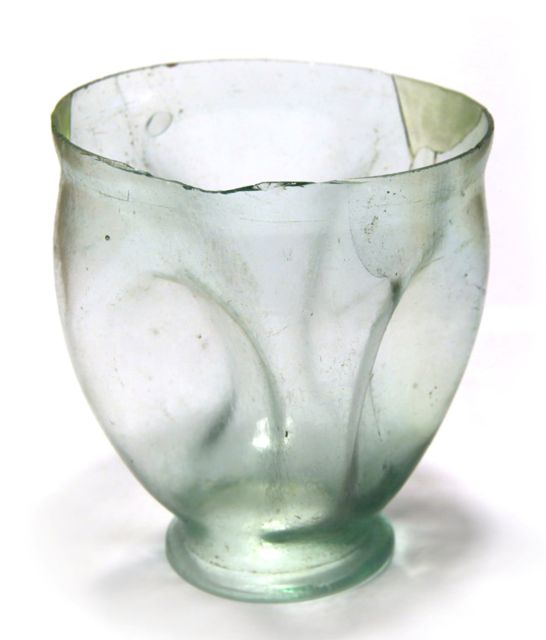
Murano is often sold as a day-trip from Venice, but the Glass Museum is the kind of stop that makes the trip feel justified. You’re not just looking at pretty objects—you’re learning how Venetian glassmaking evolved.
What makes this ticket feel practical is that it’s about the craft. The museum’s collection is described as the largest historical collection of Murano glass in the world, and it’s arranged so you can trace history in order. If you’ve ever wondered why one piece has that older, heavier look while another feels lighter and more modern, the timeline is exactly what you want.
Also, the museum doesn’t limit itself to one style. You’ll encounter 17th-century glasswork and world-famous masterpieces, so there’s both depth and variety in what you see.
The main trade-off is that this is entry only. You’re on your own with the labels and the exhibits. That’s totally fine if you enjoy self-guided museums. If you’re the type who wants a person to explain why a technique matters, plan to read carefully or pair this with a glassblowing workshop during your day.
Further out: more days across Murano and Burano
- Boat Trip: Glimpse of Murano, Torcello & Burano Islands★ 4.3 · 15,699 reviews
- Murano & Burano: Boat Tour with Guide & Glass Factory Visit★ 4.3 · 10,716 reviews
- Venice: Burano, Torcello & Murano Boat Tour w/Glassblowing★ 4.4 · 10,245 reviews
- Murano, Burano and Torcello Half-Day Sightseeing Tour★ 3.5 · 7,928 reviews
Price and value: $11 for a focused Murano glass education
At $11 per person, this ticket is priced like a smart “add-on” you won’t regret. For that cost, you get:
- Entry tickets to the Glass Museum on Murano island
- Optional 1-day public transport ticket (only if you select that option)
What you’re really paying for is access to a museum that’s specifically built around Murano glass history and technique. Many Venice-area attractions are either scenic or photo-based; this one is craft-based. If glass jewelry is your hobby—rings, pendants, bracelets, beadwork—you’ll likely get your money’s worth fast because you can compare forms, colors, and methods across time.
And because the visit is valid for 1 day, you can fit it into a loose itinerary without stressing over minute-by-minute scheduling. You check availability to see starting times, but once you’re in, you go at your pace.
One more small value point: the reviews score shows it lands well with independent visitors (the rating is 4.4 from 247 reviews). You also have at least one “quick but interesting” style review—use that as a clue that the museum can work even if you don’t want to spend half your day reading.
Getting there on Murano day: use the transport option if you can
The ticket details mention an optional 1-day public transport ticket, if you choose that option. That matters because Murano is an island, and day planning gets easier when you can hop between Venice and the islands without doing extra ticket math.
Here’s the approach I’d recommend:
- Build your day around the museum entry time you select.
- Keep a little buffer before and after. Even a self-paced museum trip can’t control when you’ll want to stop for a coffee or browse glass shops nearby.
- If you selected the transport ticket, use it to reduce friction on the way out and back.
Since you’ll be on Murano island for your museum visit anyway, having the transport option can turn this into a smoother loop rather than a one-off errand.
Inside the museum: a self-paced, chronological route
This is the heart of the experience: you explore at your own pace and follow a collection that’s laid out in chronological order. That design choice is more than just tidy curating—it’s how you learn.
When exhibits run in sequence, you start to see patterns:
- techniques change
- styles shift
- certain looks become more common (or fall out of fashion)
- the “why” behind design choices starts to make sense
Instead of standing in front of a single object and wondering what you’re looking at, the museum structure helps you track cause and effect over time.
You’ll also be retracing history as you move through. The description points out that you’ll be able to “retrace the history of Murano Glass Art,” and that’s exactly what chronological ordering is for. It turns the museum from a list of objects into a story you can actually follow.
Because there’s no live guide, you’ll get the most out of your visit if you treat each gallery like a chapter. Pick one or two questions for each section, like:
- How does the craftsmanship change as time moves forward?
- Do the objects feel different in weight, thickness, or finish compared with earlier pieces?
- Which techniques seem most tied to jewelry design?
You don’t need expert vocabulary. Even basic attention pays off here.
What you’ll see: 17th-century work and famous masterpieces
The museum includes 17th-century glasswork, plus world-famous masterpieces. That combination is a strong hook because it balances two needs most people have:
1) the desire to see standout art
2) the desire to understand how it got that way
The 17th-century focus is valuable because it anchors the “tradition” side of Murano glassmaking. You can spot how glassmaking matured into a recognizable Venetian art form.
At the same time, the museum isn’t stuck in one era. You’re meant to marvel at masterpieces—so your visit should feel satisfying even if you don’t become a glass scholar by lunchtime.
If your main interest is Murano glass jewelry, this section is where you’ll likely connect the dots between display pieces and what you see in shops. Jewelry is often just miniature design language. Seeing how that language developed makes the designs feel less random and more intentional.
More furnaces lit on Murano





Glassblowing secrets: technique you can actually visualize
One of the best reasons to come to this specific museum is that it’s not only about finished objects. The descriptions highlight glassblowing secrets and Venetian glass techniques over the centuries.
Even without a live guide, you can still build understanding if the museum gives you visual explanations. And the way this is presented matters: if you’re learning technique alongside historical examples, the process becomes easier to imagine.
Here’s why that helps you as a visitor:
- You start recognizing effort. Certain effects don’t happen by accident.
- You learn to look beyond shine. You can notice structural choices and finishing.
- You get better at shopping. If you later buy a Murano piece, you’ll have a clearer sense of what kind of work you’re paying for.
The description also mentions “stunning glasswork” and the immersion in creating glass objects and jewelry. That blend of process + product is the reason this museum suits craft-minded travelers.
How long to plan: a 1-day ticket, no rushing required
Your ticket is valid for 1 day, and you check availability for starting times. After you enter, you explore at your own pace.
So how long should you plan? The honest answer is: it depends on how strongly you’re into the details. If you like a quick museum sweep, you can do a focused visit and still feel satisfied. If you’re the type who slows down for technique and labeling, you’ll want extra time to move gallery to gallery without feeling pulled.
A useful strategy: set a mental goal before you go, like:
- See the 17th-century section
- Find a couple pieces that represent major shifts in style
- Spend extra time on any area that explains glassblowing secrets
That keeps your visit from turning into aimless walking while still letting you follow your curiosity.
Dates to watch: the Venice Access Fee during summer 2025
There’s an important note in the activity details: on certain days between 18 April 2025 and 27 July 2025, every visitor to Venice is required to pay an Access Fee directly to the City of Venice, except for specific exemptions.
This doesn’t replace your museum ticket, but it can change your day’s overall cost and planning. Before you finalize your trip dates, check the official info at cda.ve.it for:
- the exact dates
- how payment works
- any exemptions that may apply to you
If you’re traveling in that window, build the Access Fee into your budget so you’re not surprised on arrival.
Who this museum entry ticket is best for
I think this is a great fit for:
- people who are obsessed with Murano glass jewelry
- anyone who likes museums where the objects are tied to technique
- independent travelers who prefer self-guided exploration over scheduled narration
It may be less ideal if:
- you want an expert guide to interpret everything out loud (because this includes no live guide)
- you need lots of spoken storytelling to keep your attention
- you’re going to be in and out quickly without reading exhibit text
Still, even then, the museum’s chronological organization and focus on glassblowing secrets can help a lot. You can build meaning with a slow walk and careful looking.
Also, the activity is marked as wheelchair accessible, so if you need accessibility-friendly routing, this should be workable.
Should you book this Murano Glass Museum ticket?
Book it if you want an efficient, self-paced way to understand Murano glass beyond the shop window. For $11, you’re paying for a serious museum focus: the timeline of techniques and the largest historical Murano glass collection described here.
Hold off or pair it with something else if you strongly prefer a live guide to explain art and craft. Since your entry is self-directed, you’ll get the most if you’re the type who reads labels and enjoys learning at your own speed.
If your trip is short and you want your time to count, this is one of the best “useful learning stops” you can slot into a Murano day—because it turns pretty glass into something you actually understand.
FAQ
How much is the Murano Glass Museum entry ticket?
The price is $11 per person.
Where is the Glass Museum located?
It’s on Murano island, in the Veneto region of Italy.
How long is the ticket valid?
The ticket is valid for 1 day.
Is a live guide included?
No. The ticket includes entry tickets, and a live guide is not included.
Does this include transportation to Murano?
You may be able to add a 1-day public transport ticket if you select that option. If you don’t select it, transportation is not included in the listed inclusions.
Are there refunds?
This activity is non-refundable.
Are there timed entry starting times?
Yes. You need to check availability to see starting times.
Is the museum wheelchair accessible?
Yes, the activity is marked as wheelchair accessible.
Do I need to pay a Venice Access Fee during certain dates?
On certain days between 18 April 2025 and 27 July 2025, an Access Fee may be required from visitors to Venice, with specific exemptions. Check cda.ve.it for details, dates, and exemptions.
More Tour Reviews in Venice
- Venice: Doge’s Palace Reserved Entry Ticket
★ 4.6 · 42,716 reviews - Venice: Grand Canal Gondola Ride with App Commentary
★ 4.1 · 23,020 reviews - Venice: Grand Canal Gondola Experience with Live Commentary™
★ 4.2 · 16,504 reviews - Boat Trip: Glimpse of Murano, Torcello & Burano Islands
★ 4.3 · 15,699 reviews - Venice: La Fenice Opera House Entry Ticket with Audio Guide
★ 4.6 · 11,742 reviews - Murano & Burano: Boat Tour with Guide & Glass Factory Visit
★ 4.3 · 10,716 reviews
The Furnaces of Murano
- Murano & Burano: Boat Tour with Guide & Glass Factory Visit
★ 4.3 · 10,716 reviews - Venice: Burano, Torcello & Murano Boat Tour w/Glassblowing
★ 4.4 · 10,245 reviews - Venice: Murano & Burano Panoramic Boat Tour w/ Glassblowing
★ 4.4 · 6,212 reviews - Murano, Burano, Torcello: Tour with Guide & Glass Factory
★ 4.4 · 6,187 reviews - Murano & Burano Guided Tour by Private Boat with Glassmaking
★ 4.7 · 5,658 reviews - Venice Islands: Murano Glass & Burano Colors Guided Visit
★ 4.5 · 4,581 reviews
Out to Murano and Burano
- Boat Trip: Glimpse of Murano, Torcello & Burano Islands
★ 4.3 · 15,699 reviews - Murano & Burano: Boat Tour with Guide & Glass Factory Visit
★ 4.3 · 10,716 reviews - Venice: Burano, Torcello & Murano Boat Tour w/Glassblowing
★ 4.4 · 10,245 reviews - Murano, Burano and Torcello Half-Day Sightseeing Tour
★ 3.5 · 7,928 reviews - Murano & Burano Islands Guided Small-Group Tour by Private Boat
★ 4.5 · 7,580 reviews - Venice: Murano & Burano Panoramic Boat Tour w/ Glassblowing
★ 4.4 · 6,212 reviews
Fresh Off the Vaporetto: New Venice Reviews





Murano & Burano Island Tours, compared.
 ★ 4.3Boat Trip: Glimpse of Murano, Torcello & Burano IslandsFrom $2915,699 reviews
 ★ 4.3Murano & Burano: Boat Tour with Guide & Glass Factory VisitFrom $2310,716 reviews
 ★ 4.4Burano, Torcello & Murano Boat Tour w/GlassblowingFrom $2810,245 reviews
 ★ 3.5Murano, Burano and Torcello Half-Day Sightseeing TourFrom $257,928 reviews
 ★ 4.5Murano & Burano Islands Guided Small-Group Tour by Private BoatFrom $367,580 reviews
 ★ 4.4Murano & Burano Panoramic Boat Tour w/ GlassblowingFrom $296,212 reviews
 ★ 4.4Murano, Burano, Torcello: Tour with Guide & Glass FactoryFrom $286,187 reviews
 ★ 4.7Murano & Burano Guided Tour by Private Boat with GlassmakingFrom $355,658 reviews
Browse the lists this tour appears in