Review · VENICE
New – Maleficia: Inquisition, Torture and Witchcraft between the centuries
The topic is dark, but the setting is fascinating. In Palazzo delle Prigioni in Venice, Maleficia uses original artifacts and reproductions to explain how the Holy Office’s witchcraft cases played out centuries ago. It’s a short visit that still leaves you with a lot to think about.
Two things I especially like: the focus on real instruments of justice (not just vague storytelling), and the way a good guide connects the exhibits to what happened in those spaces. One thing to consider: based on how people describe it, the tour can feel brief, and the meeting point signage may be confusing if you’re arriving at the wrong doorway.
In This Review
- Key things to know before you go
- Palazzo delle Prigioni and the Maleficia premise
- What you’ll see: documents and instruments of justice
- Torture and confession: how the exhibit frames the case
- Venice’s Inquisition setting: why this palace matters
- The Casanova detail: sensational, but useful
- The actual experience: 1 hour, paced like a guided walkthrough
- Stop 1: Circolo Artistico – Palazzo delle Prigioni (your starting moment)
- Price and value: what $11.56 buys you in Venice
- Crowd flow and “no waiting” expectations
- Who this tour fits best
- Should you book Maleficia?
- FAQ
- How long is the Maleficia exhibition visit?
- Where does the tour start in Venice?
- What’s the price per person?
- Is the admission ticket included?
- Is this a mobile ticket?
- How big are the groups?
- Is there a refund if my plans change?
- When will I get confirmation after booking?
- Is there an extra access fee on some dates?
- Is it near public transportation?
Key things to know before you go
- Inside Palazzo delle Prigioni: You’ll be in the historic Prisons’ Palace tied to 15th–18th century justice.
- Artifacts, not just lecture: Expect documents and objects used in witchcraft-related persecution, plus justice instruments.
- 1 hour, small group format: The experience runs about 1 hour with a maximum group size of 15.
- Guided pacing matters: Some visitors suggest an audio guide is available elsewhere, but the tour experience shines most with the guide present.
- Meeting point can be tricky: Signage at the building may not make the exact organizer clear at first glance.
Palazzo delle Prigioni and the Maleficia premise
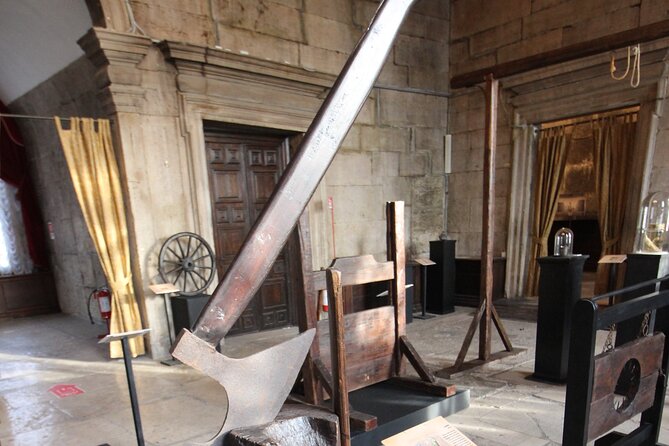
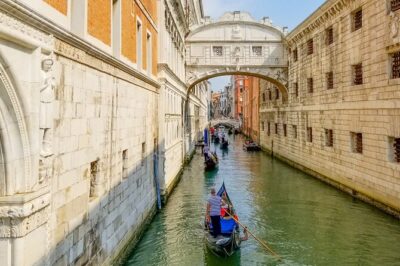
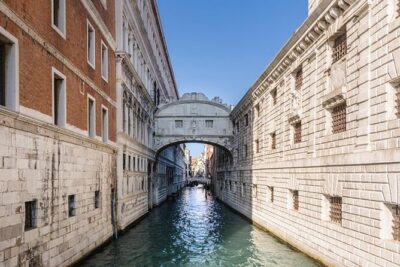
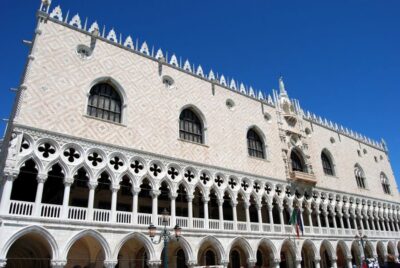
Venice has a way of making even grim history feel cinematic. This exhibition, Maleficia: Inquisition, Torture and Witchcraft between the centuries, is set in Circolo Artistico – Palazzo delle Prigioni, the Prisons’ Palace itself—so you’re not just looking at the past, you’re standing near it.
The concept is straightforward: you move through suggestive testimonies, documents, and objects connected to the persecution of witchcraft. The exhibition uses a mix of original artifacts and reproductions, which is a practical way to show items that have context but may not all be safe or accessible in true form.
And yes, the subject is unsettling. The point here isn’t shock for shock’s sake; it’s to show how fear, accusations, and legal process could collide—and sometimes end in torture and death.
Still choosing? Line this one up next to a few Venice favourites.
- Venice: Doge’s Palace Reserved Entry Ticket★ 4.6 · 42,716 reviews
- Venice: Grand Canal Gondola Ride with App Commentary★ 4.1 · 23,020 reviews
- Venice: Grand Canal Gondola Experience with Live Commentary™★ 4.2 · 16,504 reviews
- Boat Trip: Glimpse of Murano, Torcello & Burano Islands★ 4.3 · 15,699 reviews
What you’ll see: documents and instruments of justice
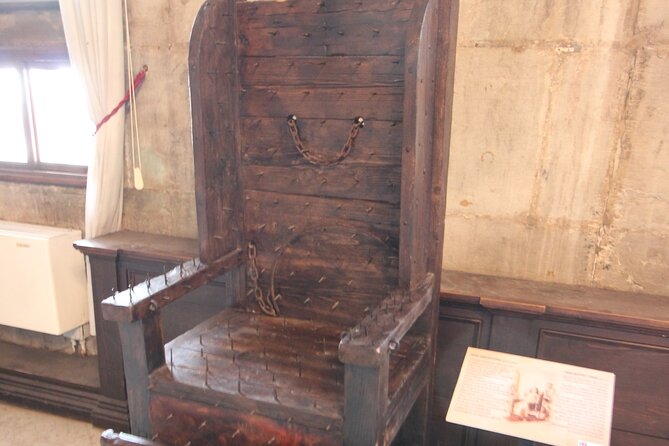
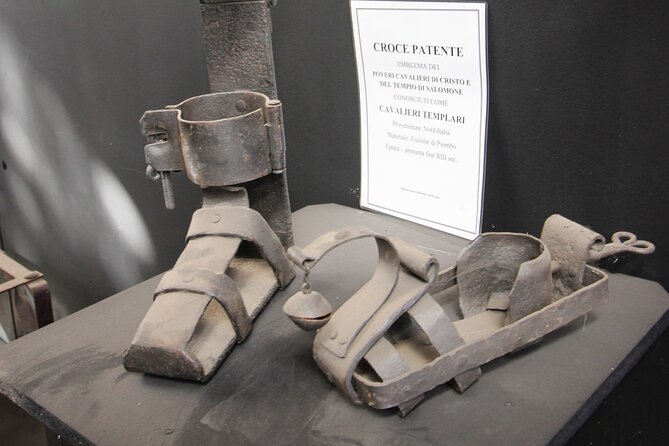
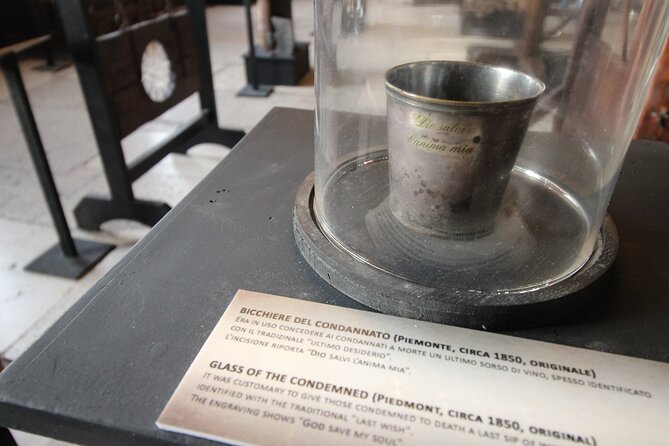
The heart of this stop is the display of what the Holy Office used—especially for witchcraft accusations. You’ll encounter ancient documents associated with the persecution, plus instruments of justice described as being used to counter perceived evil spells and magical arts.
What makes this valuable for you is the concrete feel. Instead of only hearing that people were punished, you see the kind of physical tools courts and tribunals historically relied on. Even if you know the broad outlines of the Inquisition, this format helps you understand how systems worked: paperwork, testimony, and then punishment.
The exhibition also treats this as part of Venice’s story, not just a generic European one. The description specifically places the Tribunal of the Inquisition within the 15th to 18th centuries of the Serenissima Republic’s world—when authority, religion, and legal power were tightly linked.
Torture and confession: how the exhibit frames the case
One theme you’ll notice is torture as a mechanism within the legal process—particularly the role it played in trying to obtain confessions. Some people describe the tour as focusing more on the techniques used to get confessions and punish the crime, rather than spending lots of time on the witchcraft itself.
That’s an important expectation-setting point for you. If your main curiosity is about witchcraft beliefs and how they were argued, you might find the emphasis leans a bit toward procedure and tools. If your main curiosity is about how accusations were turned into punishments, the exhibit’s angle will likely land better.
A key takeaway is that the exhibition pushes you to reflect on suffering, not just history as trivia. Venice’s prisons can make that reflection feel sharper—because the architecture and setting don’t let you stay abstract.
Venice’s Inquisition setting: why this palace matters
This isn’t staged history in a modern white box. You’re in Palazzo delle Prigioni, a place strongly associated with 15th–18th century justice. That matters because it turns the story into something spatial—you can picture how people moved, where they were held, and where authority was exerted.
The description also mentions that the Tribunal condemned many women accused of evil spells and magical arts. It also flags a surprising detail: Giacomo Casanova is mentioned as being accused of dabbling in magic and the occult.
For you, that adds a layer beyond pure witch-trial horror. It hints that these cases weren’t only about the most stereotypical targets. The past being specific—names, dates, and institutions—makes it easier to take the topic seriously.
The Casanova detail: sensational, but useful
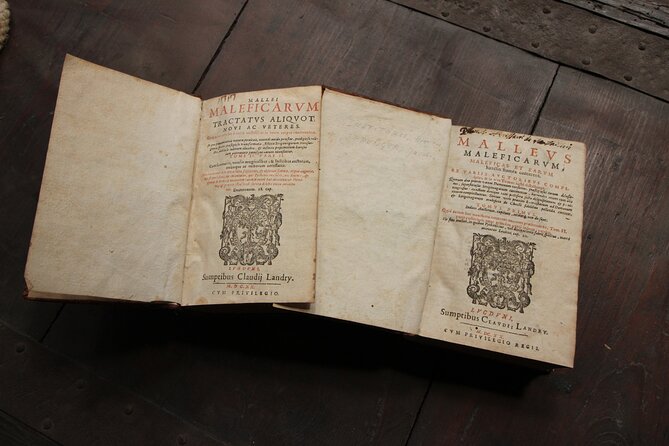
Casanova is the kind of name that grabs attention fast. When an exhibition ties him to allegations of magic and the occult, it can feel like a plot twist—and that’s exactly why it’s useful.
It shows how accusations could widen beyond what we now imagine as mainstream belief. Whether the accusations were credible or not, the mechanism mattered: authority decided what counted as forbidden conduct, and then the machinery of punishment followed.
If you’re visiting as an inquisitive person—someone who likes to connect famous stories to darker systems—this detail is one of the more memorable hooks mentioned in the tour overview.

The actual experience: 1 hour, paced like a guided walkthrough
This is a short visit (about 1 hour). That length is a double-edged sword, and I think you should plan accordingly. It’s great if you want a focused taste of the material without spending half a day inside. It can feel too quick if you’re the type who likes to read everything slowly.
Another practical point: the experience is described as operating with small groups (maximum 15 travelers). In places like prisons and court-themed exhibitions, group size really affects how much you get. With a smaller group, a guide can usually keep people together and answer more than one question.
Also, some visitors noted they didn’t have an audio guide and regretted that. I can’t promise audio availability here, but the takeaway for you is simple: if you’re the kind of reader who wants extra layers, arrive prepared to rely on the guide’s narration rather than on audio as your main support.
Stop 1: Circolo Artistico – Palazzo delle Prigioni (your starting moment)
You start and end back at the same place: Circolo Artistico – Palazzo delle Prigioni, at Riva degli Schiavoni, 4209, 30122 Venezia VE.
This matters because the tour is a walkthrough tied closely to the building. If you arrive confused, you lose time before you even start seeing the exhibits.
One issue that came up from some people is that meeting place clarity can be imperfect. Building signage may point to a different exhibit, and the organizer may not be obvious at first glance. If you want this to go smoothly, arrive a few minutes early and check your confirmation details before you wander off.
Price and value: what $11.56 buys you in Venice
At $11.56 per person, this is priced like a straightforward, guided museum visit rather than a premium, long-form production. In Venice, that’s a real factor: you can easily burn your budget on tickets that don’t justify the time.
Here’s the value logic for you. The tour includes an admission ticket and runs about an hour, so you’re paying for a guided structure plus entry to the Prisons’ Palace exhibition space. The key question isn’t just cost—it’s whether the subject is the right kind of history for you.
The review pattern is mixed, but the highest praise centers on the guide experience. When the guide is engaging, this kind of exhibition can feel much more meaningful. If you’re a self-guided museum person, you might feel it too quickly; if you like a human explanation to connect the artifacts to context, it’s more likely to feel worth it.
Crowd flow and “no waiting” expectations
A pleasant surprise in some feedback: there wasn’t much or any queuing when people arrived. That’s not something you can count on in Venice every day, but it’s still helpful for planning.
If you’re building a day itinerary, this is the kind of stop that can fit well between other sights. The short duration helps you avoid the classic Venice problem of getting stuck behind lines and losing your pacing.
The main thing to watch is timing around the meeting point and signage confusion. If you arrive flustered, crowds don’t even have to exist for your day to feel stressed.
Who this tour fits best
I think Maleficia is a strong match if you fall into one of these groups:
- You like history with physical objects and documents, not only big speeches.
- You want a guided visit where someone helps you connect what you’re seeing to the legal and religious system.
- You’re comfortable with difficult topics like torture and wrongful accusations.
It might be a weaker match if you want a broad, balanced lecture on witchcraft beliefs across Italy. Some descriptions suggest the tour spends more time on the mechanics of torture and confession than on witchcraft as a belief system.
Also, if you’re the type who needs lots of reading time, be aware the overall pacing is brief. This is one-hour history, not an all-day research trip.
Should you book Maleficia?
I’d book it if you want a compact, guide-led look at Venice’s Inquisition-era prisons, with an emphasis on artifacts and instruments tied to justice. The best moments—especially when the guide is described as engaging and informative—sound like exactly what this kind of exhibition needs.
I’d hesitate if you know you dislike tours where logistics can be slightly confusing at the start, or if you strongly prefer a longer, more text-heavy experience. The short duration is part of the package, and the meeting-point signage issue is real enough to plan around.
If you’re curious, respectful, and you’re okay with the topic being dark, this can be a memorable stop in Venice—one that gives you something more grounded than a legend.
FAQ
How long is the Maleficia exhibition visit?
It lasts about 1 hour.
Where does the tour start in Venice?
The start and end point is Circolo Artistico – Palazzo delle Prigioni, Riva degli Schiavoni, 4209, 30122 Venezia VE, Italy.
What’s the price per person?
The price is $11.56 per person.
Is the admission ticket included?
Yes, the ticket admission is included as part of the experience.
Is this a mobile ticket?
Yes, it’s listed as a mobile ticket.
How big are the groups?
The experience has a maximum of 15 travelers, and it’s described as leaving with small groups.
Is there a refund if my plans change?
Yes. Free cancellation is available, and it’s refundable until 24 hours before the visit.
When will I get confirmation after booking?
Confirmation is received at the time of booking.
Is there an extra access fee on some dates?
On certain dates, visitors staying outside Venice for day visits may need to pay a €5 access fee. The details and exemptions are listed at https://cda.ve.it.
Is it near public transportation?
Yes, it’s near public transportation.
More Tour Reviews in Venice
- Venice: Doge’s Palace Reserved Entry Ticket
★ 4.6 · 42,716 reviews - Venice: Grand Canal Gondola Ride with App Commentary
★ 4.1 · 23,020 reviews - Venice: Grand Canal Gondola Experience with Live Commentary™
★ 4.2 · 16,504 reviews - Boat Trip: Glimpse of Murano, Torcello & Burano Islands
★ 4.3 · 15,699 reviews - Venice: La Fenice Opera House Entry Ticket with Audio Guide
★ 4.6 · 11,742 reviews - Murano & Burano: Boat Tour with Guide & Glass Factory Visit
★ 4.3 · 10,716 reviews