
Review · PASTA
Share Your Pasta Love in a Local’s Home in Venice
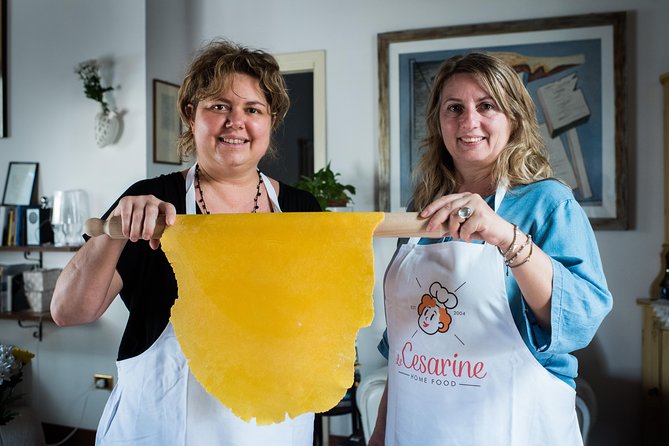
Pasta starts in a local kitchen. This small-group class is a break from Venice’s usual line-and-look routine, and it puts you at the heart of how Venetians make fresh pasta at home in about 1 hour 30 minutes. You’ll start with a welcome drink and appetizer, then learn dough-and-shape techniques that feel practical, not performative, and finish with the meal you made. You can walk out with a new skill and a full stomach.
I especially like the mix of hands-on work and real meal time. From kneading and shaping (think bigoli, tagliatelle, or ravioli) to sitting down for the pasta and wine, the pacing makes sense for a short evening class. I also like that the experience includes a welcome aperitivo, homemade pasta meal, local wine, and espresso, with optional coffee and dessert.
One thing to consider: the class details and how hands-on it feels can vary by host and by what the group needs, and the meeting logistics depend on the exact address in your confirmation email. If you’re even slightly distracted by phone notifications and busy walking, you’ll want to double-check the latest meeting point before you leave.
In This Review
- Key highlights to look for
- A 1.5-hour Venice kitchen: where you meet and how it feels
- Welcome aperitivo and wine: why the start matters
- Hands-on pasta workshop: dough, shapes, and Venetian choices
- A smart way to pay attention while you work
- Eating what you made: the dinner table portion
- Price and value: what you’re really paying for
- Practical tips for Venice: avoid the common headaches
- Who should book this pasta class (and who might skip)
- Should you book this Venice pasta class?
- FAQ
- How long is the Venice pasta-making experience?
- What’s included in the price?
- How big is the group?
- Where do I meet, and does it end nearby?
- Is the class taught in English?
- Can I cancel for free?
Key highlights to look for
- Small group (max 15): More time for the host to guide you while you’re working the dough.
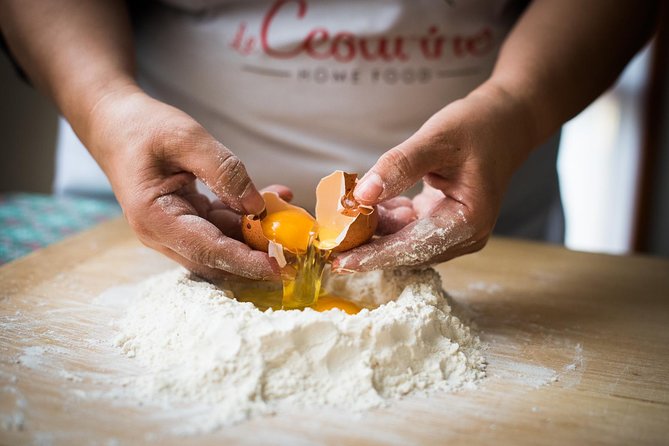
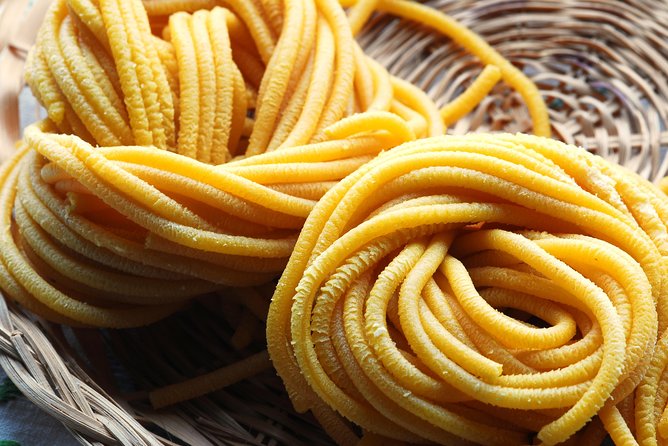
- Fresh pasta from scratch: You mix, knead, and shape pasta styles like bigoli, tagliatelle, or ravioli.
- Aperitivo + wine in the flow: You get a welcome cocktail and wine with dinner, not just one drink at the start.
- Eat what you make: The meal is tied directly to the pasta you shaped during the class.
- English instruction: The experience is offered in English, helpful if your Italian is limited.
- Venice access fee on some dates: On certain day-visit dates for people staying outside Venice, a €5 city access fee may apply.
A 1.5-hour Venice kitchen: where you meet and how it feels
This is set up like you’re joining a real Venetian home evening, not touring a show kitchen. You’ll meet at Calle Larga Lezze, 3596, 30121 Venezia VE, and the activity ends back at the same place, so you won’t need a complicated second transfer.
The duration is about 1 hour 30 minutes, which is exactly the sweet spot for an experience that’s hands-on. You’ll be there long enough to actually work with dough and taste what you make, but not so long that you lose the rest of your Venice evening. Also, because there’s no hotel pick-up or drop-off, you’ll want to plan on walking the last part and arriving a few minutes early so you’re not rushed.
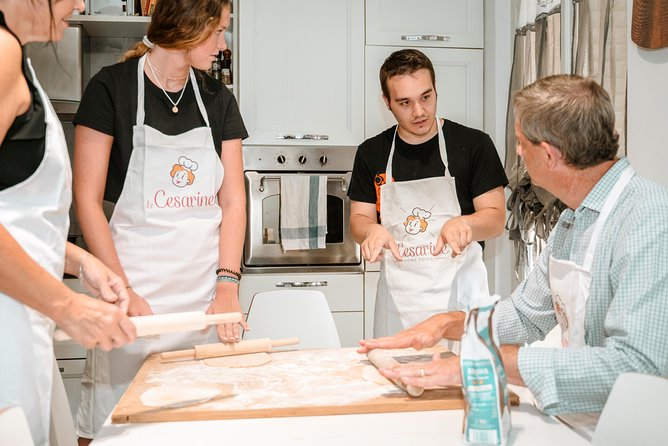
Group size matters here. With a maximum of 15 people, the host can actually circulate during the pasta-making steps instead of giving you a distant demo vibe. You’ll likely spend some time watching as well, but the format is built around getting your hands into the process, not standing around the whole time.
Two practical notes can save you stress:
- You’ll use a mobile ticket, so make sure your phone battery and screen brightness are decent.
- The class language is English, so ask questions during the easy moments rather than waiting for the pasta to be moving fast.
Still choosing? Line this one up next to a few Venice favourites.
- Venice: Doge’s Palace Reserved Entry Ticket★ 4.6 · 42,716 reviews
- Venice: Grand Canal Gondola Ride with App Commentary★ 4.1 · 23,020 reviews
- Venice: Grand Canal Gondola Experience with Live Commentary™★ 4.2 · 16,504 reviews
- Boat Trip: Glimpse of Murano, Torcello & Burano Islands★ 4.3 · 15,699 reviews
Welcome aperitivo and wine: why the start matters
The class begins with a warm welcome and an aperitivo, usually with a small appetizer and a refreshing drink. This is more than “free wine at the beginning.” It’s a relaxed way to break the ice, get seated, and let the host set the rhythm of the evening.
Wine is part of the deal with dinner. The highlights specify 1 bottle of wine per 3 participants, and the included details also mention local wines, water, and espresso. In other words, it’s not just a token pour for a photo. You’ll be able to toast while you eat the pasta you made.
One more small but important detail: alcohol choices are tied to the host and the recipes. So if you have a strict preference (red vs. white, for example), it’s worth asking politely during the class or shortly after arrival. For some people, the wine selection experience is smooth; for others, it’s more about whether they like what they’re served. The good news is that the drink is consistent in purpose: it’s there to support the meal, not replace it.
Hands-on pasta workshop: dough, shapes, and Venetian choices
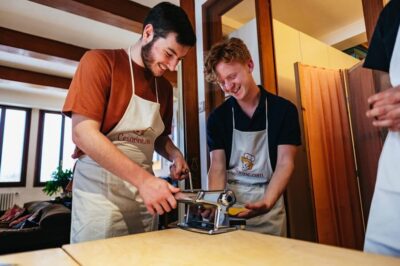
This is the main event, and it follows a clear arc: you’ll learn the basics, make fresh pasta, then shape it into classic Venetian styles.
You can expect to get involved in:
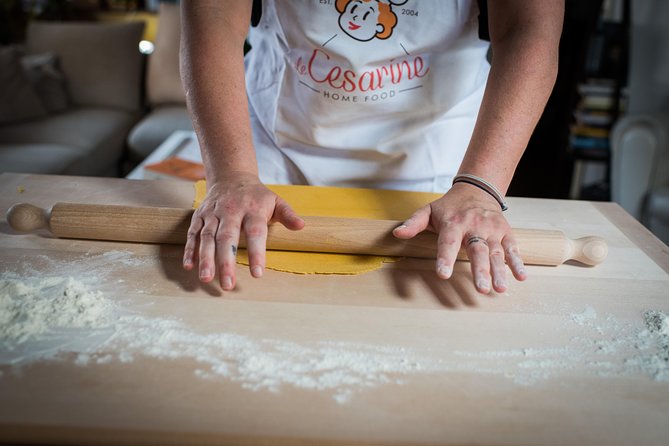
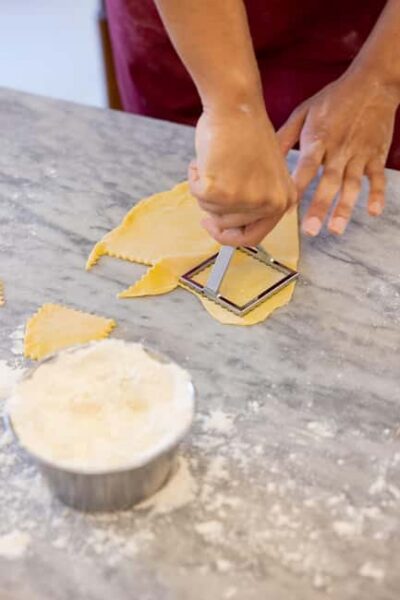
- mixing pasta dough,
- kneading,
- shaping or filling (depending on the pasta type you’re assigned),
- and then cooking it and eating it together.
The pasta types mentioned include bigoli, tagliatelle, or ravioli. You may also see Venetian classics show up in the menu examples, such as risi e bisi or gnocchi. Practically speaking, that means the class doesn’t feel like you’re making one bland thing and calling it Italian. You’ll work with at least one fresh pasta approach, and the meal ties back to it.
What I think makes this workshop valuable is the way the skills are transferable. When you learn how the dough should feel while kneading, how thin to roll, or how to form a shape, you can repeat that at home. Even if you never cut bigoli again, the hands-on sense of texture and timing is the takeaway.
That said, one caution from the real-world classroom experience: the amount of hands-on time can vary. Some people end up doing more of the process than others, depending on how the host runs the steps that require speed (rolling, shaping, or prep for cooking). If you want the fullest hands-on experience possible, arrive early, jump in when your section of work is ready, and don’t be shy about asking what you should do next.
A smart way to pay attention while you work
Fresh pasta instruction is best when you focus on a few cues:
- How the dough responds as you knead (dryness and elasticity).
- How the dough stretches or resists when rolling.
- Whether your shape looks consistent and holds together during cooking.
A good host will explain those cues in plain language. If your host is Giulia (one name that comes up in past classes), there’s a strong theme of teaching through small process details, like how simple ingredients get used to build a sauce. If your host is someone else, the lesson structure still tends to follow the same logic: teach, guide, then let you do.
Eating what you made: the dinner table portion
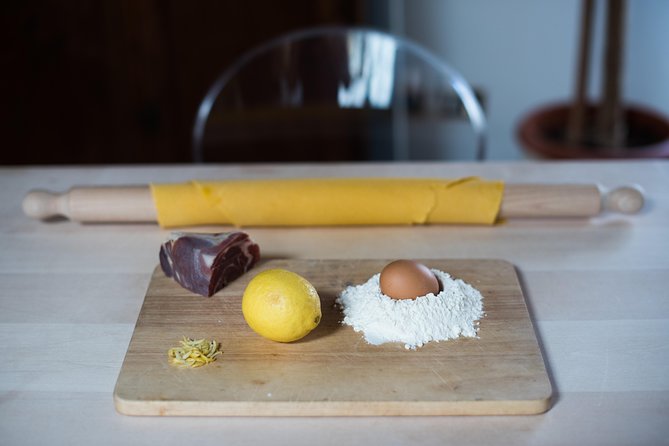
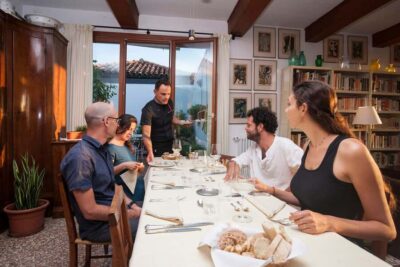
After the pasta is ready, you sit down for the meal you created. This matters more than it sounds. When you cook and eat the result quickly, you get feedback while it’s still fresh in your mind, and you understand what your technique produced.
The included meal is described as a homemade pasta meal and wine, with additional options like optional dessert and coffee. That means the class isn’t just a workshop; it’s also a full dinner experience in a local setting.
You’ll also get that sense of Venetian hospitality that people remember long after they forget the exact pasta shape. There’s a social part to it: toasting, sharing the work you did, and getting conversation that feels personal because it’s happening in someone’s home kitchen and dining area.
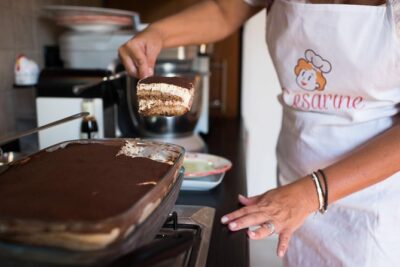
If dessert is included for your date, it’s optional, along with coffee. This flexibility can be helpful in Venice, where you might want to preserve energy for the rest of your night.





Price and value: what you’re really paying for
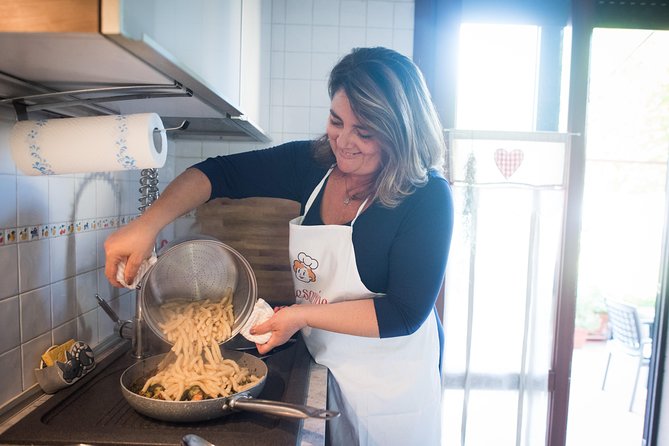
At $94.92 per person for about 1.5 hours, the question is simple: do you get enough to justify it?
In this case, you get multiple value streams in one ticket:
- instruction for making fresh pasta (not just tasting),
- a welcome aperitivo and appetizer,
- a homemade pasta meal tied to your work,
- wine with dinner (1 bottle per 3 participants),
- water and espresso.
You’re also getting a small-group format, with a stated maximum of 15 people. That’s usually where cooking classes become “worth it” instead of “a nice idea.” A larger crowd can turn the experience into a show. A smaller one gives you more corrections and more time to try.
One more practical value point: there’s no hotel pick-up, so you’re not paying for transportation logistics. You’re paying for the kitchen time and the meal experience.
Still, manage expectations on two fronts:
- The exact mix of pasta dishes can vary (bigoli/tagliatelle/ravioli are referenced, while other examples like risi e bisi or gnocchi appear in the sample menu).
- The hands-on share can vary by host and group flow.
If you want a repeatable skill and a real dinner, this class can be a strong value. If you only care about watching someone else cook, you’ll probably be less satisfied.
Practical tips for Venice: avoid the common headaches
Venice logistics can be the difference between a smooth evening and wasted time.
1) Double-check the meeting point in your confirmation
One class issue that shows up in real-world experiences is meeting confusion when the meeting address changes. The official meeting details are provided in your final confirmation message, and updates are communicated via email. Before you head out, read the email on the device you’ll use during your walk. If you rely on vague pins or generic map references, you’re taking a gamble.
2) Be aware of the city access fee on certain dates
If you’re staying outside Venice but visiting for the day, you may have to pay a €5 access fee on certain dates. The tour notes that exemptions exist, and the applicable days are listed at https://cda.ve.it. If that sounds like you, check early so you’re not surprised at the gate.
3) Plan your pacing around the class timing
Because there’s no pick-up, you’ll want to avoid scheduling this when you’re already running late from another far-away stop. Venice streets are short, but the walking adds up fast, and you don’t want to arrive breathless.
4) Dietary needs: tell the host clearly
A small but important caution: one past experience mentioned a meat-containing sauce despite a stated meat-free request. The safe move is to mention dietary needs at booking time and, if possible, confirm again in writing. Even with the best intentions, home cooking has variables.
5) Service animals are allowed
If you use a service animal, this experience allows it, which is good to know.
Who should book this pasta class (and who might skip)
Book it if you:
- want a hands-on activity that fits into an evening,
- like the idea of learning fresh pasta shapes and textures rather than just eating,
- enjoy a small-group setting where the host can guide you,
- and you’d rather spend your money on skill plus dinner than on another generic photo stop.
Consider skipping (or trying something else) if:
- you’re expecting a fully self-directed class where every minute is 100 percent hands-on,
- you strongly prefer one exact pasta dish every time and don’t want variation,
- or you’re the type who can’t manage to read an email update while you’re walking through Venice.
For families: it can work if kids are comfortable with the pace and the food, but you should plan for sauce and ingredient variation. For couples: it’s a great low-pressure way to share an activity and then eat together without hunting for dinner.
Should you book this Venice pasta class?
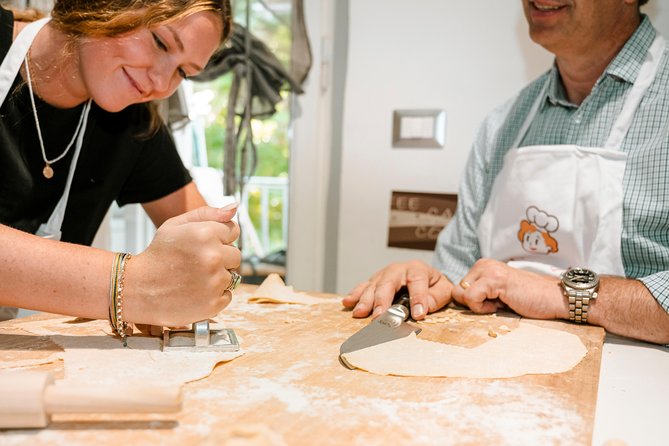
If you’re looking for a meaningful Venice activity that combines fresh pasta practice with a real local meal, this is a solid pick. The small-group limit, included wine and dinner, and the chance to learn shapes like bigoli, tagliatelle, or ravioli make it feel like more than a cooking demo.
My recommendation: book it if you’ll do two things. First, read the confirmation email closely and check for any meeting point updates before you leave. Second, treat the hands-on portion as a key part of the experience, and ask questions early so you get as much dough time as possible. If you do that, you’ll likely leave with both pasta skills and a very Venetian dinner story.
FAQ
How long is the Venice pasta-making experience?
It lasts about 1 hour 30 minutes.
What’s included in the price?
You get a welcome aperitivo and appetizer, a hands-on pasta-making class, alcoholic beverages including local wines, water, and espresso, plus the homemade pasta meal. Coffee and dessert may be optional.
How big is the group?
The experience has a maximum of 15 travelers.
Where do I meet, and does it end nearby?
You start at Calle Larga Lezze, 3596, 30121 Venezia VE, Italy, and the activity ends back at the same meeting point.
Is the class taught in English?
Yes, the experience is offered in English.
Can I cancel for free?
Yes. Free cancellation is available up to 24 hours in advance for a full refund. Changes within 24 hours aren’t accepted.
More Tour Reviews in Venice
- Venice: Doge’s Palace Reserved Entry Ticket
★ 4.6 · 42,716 reviews - Venice: Grand Canal Gondola Ride with App Commentary
★ 4.1 · 23,020 reviews - Venice: Grand Canal Gondola Experience with Live Commentary™
★ 4.2 · 16,504 reviews - Boat Trip: Glimpse of Murano, Torcello & Burano Islands
★ 4.3 · 15,699 reviews - Venice: La Fenice Opera House Entry Ticket with Audio Guide
★ 4.6 · 11,742 reviews - Murano & Burano: Boat Tour with Guide & Glass Factory Visit
★ 4.3 · 10,716 reviews
Fresh Off the Vaporetto: New Venice Reviews


Pasta, compared.
 ★ 4.9Pasta and Tiramisu Cooking Class with WineFrom $781,010 reviews
 ★ 5.0Pasta and Tiramisu Cooking Class with Wine in VeniceFrom $76945 reviews
 ★ 4.5Jewish Ghetto & Cannaregio Area Food Tour: Pasta Wine Gelato and More!From $143274 reviews
 ★ 4.5Small Group Pasta and Tiramisu Class at Local’s Home in VeniceFrom $119236 reviews
 ★ 4.9Pasta Class with Wine and GelatoFrom $93225 reviews
 ★ 4.8Pasta and Tiramisu Cooking Class at a Local’s HomeFrom $215205 reviews
 ★ 4.9Cooking Class with Tiramisu and Pasta MakingFrom $8571 reviews
 ★ 5.0Cesarine: Private Pasta and Tiramisu Class in a Local Venice HomeFrom $21437 reviews
Browse the lists this tour appears in