
Review · TOURS
Small Group Tour to Venice departing from Abano Terme
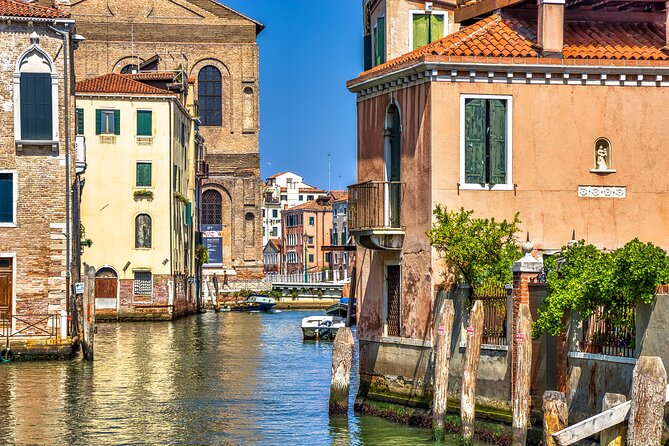
Venice, but slower and friendlier. This small-group outing strings together Cannaregio, the Ancient Jewish Ghetto, San Polo, and San Marco in about 7.5 hours, with local food stops and classic sights like Rialto. You’ll also get time at places many first-time visits skip, including a quieter Grand Canal viewpoint and an inside peek at everyday Venetian shopping streets.
I especially like the way this route threads through calmer neighborhoods first, starting at the Ghetto Ebraico area, before you move toward the heavy-hitter landmarks in San Polo and San Marco. I also like the food rhythm: you’re guided to take an espresso break using a long-running recipe tradition, and you’ll have a chance to eat cicchetti at an old bacaro-style spot instead of settling for a rushed, generic lunch.
One consideration: expect solid walking on narrow calli and uneven surfaces. You’ll want moderate physical fitness, and comfy shoes help a lot.
In This Review
- Key highlights
- From Abano Terme to Venice: what your day really looks like
- Entering the Ancient Jewish Ghetto: a quieter Venice lesson
- Cannaregio and Strada Nova: trains, shops, and a real espresso pause
- San Polo’s mellow pace and the bacari culture
- San Marco Square and the Bridge of Sighs: big sights, handled with restraint
- Rialto Bridge and Rialto Market: the economic Venice stop
- A hidden Grand Canal viewpoint: why this stop feels special
- Lunch and cicchetti: how to eat without blowing your schedule
- Getting back to your station: the ferry piece that saves time
- Price, group size, and pacing: when this tour feels like a smart buy
- Who should book this Venice small-group walk
- Should you book this tour?
- FAQ
- Where is the meeting point?
- What time does the tour start, and how long is it?
- How many people are in the group?
- Is pickup included?
- What’s included in the price?
- Is lunch included?
- Do I need tickets for churches or monuments?
- What should I wear if I want to enter churches?
- FAQ
- Is a €5 access fee sometimes required?
- Can I cancel for free?
- What happens if the weather is bad?
Key highlights
- Max 8 travelers for a tour that doesn’t feel like a human conga line
- Jewish Ghetto + Cannaregio + San Polo before the big-ticket sights
- Espresso stop and a guided path to where to grab cicchetti
- Rialto Bridge and Rialto Market on foot, in the same morning flow
- San Marco Square area plus the Bridge of Sighs stop
- Ferry ride back to the rail station so you’re not stuck figuring out the last leg
From Abano Terme to Venice: what your day really looks like
This is set up as a full day outing, starting in Venice and designed to feel manageable once you’re on the island. The tour duration is about 7 hours 30 minutes, and it’s timed with a 9:00 am start at Venezia Santa Lucia. The big win is that you’re not spending your energy on logistics once you arrive; the experience includes round-trip transfer to the place of departure and pickup is offered.
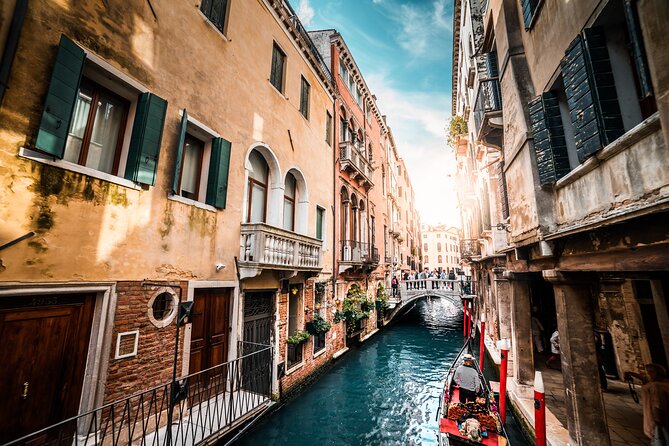
The day is built around walking between districts. That sounds obvious for Venice, but it matters here because the route is not just a straight line from landmark to landmark. You start in the quiet lanes between Cannaregio and the Ancient Jewish Ghetto, then you gradually work your way toward the center of Venice’s attention—San Polo, Rialto, and San Marco.
Value-wise, the price is $154.29 per person. That’s not the cheapest way to tour Venice, but it’s priced for convenience and guidance: a local guide, the neighborhood routing, and the practical “where do we go next” planning are included. Also, confirmation happens unless you book very close to departure, and you’ll get a mobile ticket, which is one less thing to handle once you’re traveling.
If you’re expecting a bus-and-spot-photo tour, this isn’t it. If you want a walk that helps you make sense of Venice—districts, food culture, and how the city connects—this fits well.
Still choosing? Line this one up next to a few Venice favourites.
- Venice: Doge’s Palace Reserved Entry Ticket★ 4.6 · 42,716 reviews
- Venice: Grand Canal Gondola Ride with App Commentary★ 4.1 · 23,020 reviews
- Venice: Grand Canal Gondola Experience with Live Commentary™★ 4.2 · 16,504 reviews
- Boat Trip: Glimpse of Murano, Torcello & Burano Islands★ 4.3 · 15,699 reviews
Entering the Ancient Jewish Ghetto: a quieter Venice lesson
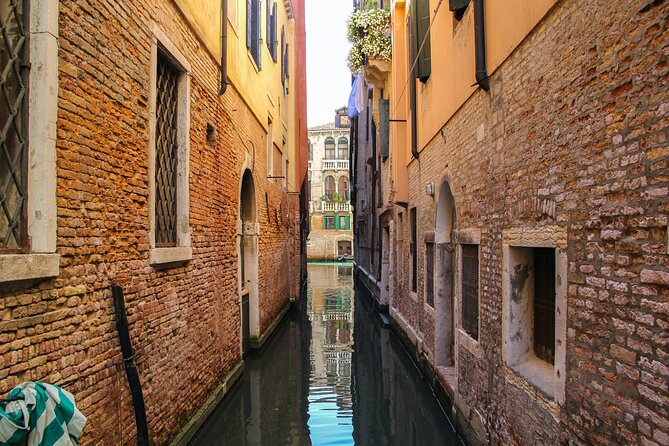
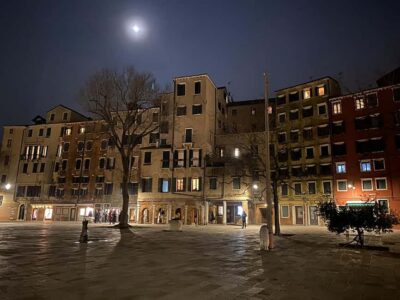
The day begins at the Ghetto Ebraico (the Jewish Ghetto area). The stop is short—about 10 minutes—and the focus is on walking through the neighborhood streets and taking in what it feels like on the ground: tight passageways, everyday storefronts, and a sense of history you don’t get from a postcard.
This is a smart way to orient yourself. Before San Marco’s grandeur, you get a human-scale view of Venice. And you get to see how neighborhood life shapes the city’s identity. The Ancient Jewish Ghetto is not just a background detail; it sets the tone for the rest of the walk.
Also, it’s a good pacing move. Starting with a smaller slice of Venice helps you settle into the island before the crowds and busier corridors appear. You’ll also be walking through shopping-window culture—classical Venetian streets with antiques and small retailers—so your first impressions aren’t just scenery. They’re texture.
Cannaregio and Strada Nova: trains, shops, and a real espresso pause
After the Ghetto stop, you head into Cannaregio, a district that feels like Venice in “regular life mode.” This is where Strada Nova enters the picture—also tied to the route from Venice Santa Lucia Station toward the Rialto area.
Cannaregio is described as having both shopping streets and a lively scene for bars and meeting up. That matters because it means you’re not just walking through a museum corridor. You’re seeing how Venetians and visitors interact in a neighborhood setting.
What I like here is the planning around food. You stop to drink an excellent espresso at a small coffee shop described as using the same recipe for almost a century. Even if coffee isn’t your main reason for traveling, this kind of stop is about more than caffeine. It’s your “Venice calibration” moment. You get a sense of what locals consider normal: quick, friendly, and built into daily rhythm.
Practical tip: because the tour is time-managed, you’ll want to take the espresso moment seriously. Don’t spend the whole stop scanning for your next stop—enjoy the break, reset your legs, then keep moving.
San Polo’s mellow pace and the bacari culture

Next comes San Polo, which is often quieter than people expect. It’s described as relaxed, with narrow streets and an atmosphere you feel while walking. It’s also the smallest of Venice’s six sestieri, which can work in your favor. Less “wide-open chaos,” more manageable wandering.
San Polo is strongly associated with Campo San Polo, the largest square after San Marco’s. Around that square, you get palaces plus the “people’s square” feel—public space that has events and celebrations. The tour time here is about 30 minutes, and it’s enough to take in the street texture without feeling trapped.
The best part is the bacari angle. San Polo has typical Venetian taverns that take the name bacari. That matters because Venice’s food culture isn’t really structured like other cities. Instead of one sit-down meal, it’s a series of small bites, usually paired with a drink. In this district, that concept makes more sense because you’re surrounded by the streets and storefront style that support it.
If you’re the type who wants to understand why Venetians eat the way they do, this is one of the tour’s strongest sections.
San Marco Square and the Bridge of Sighs: big sights, handled with restraint
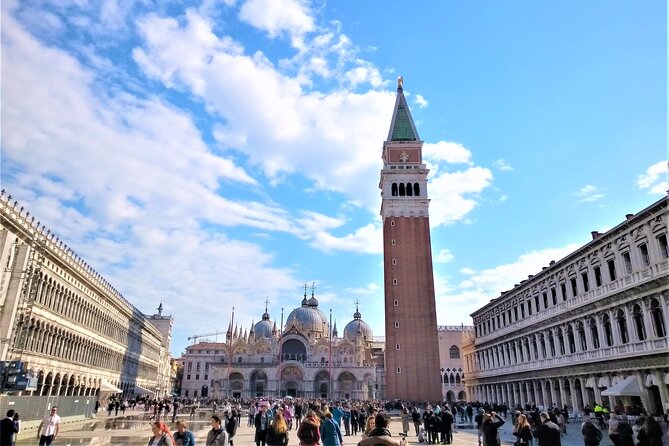
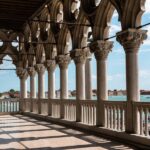
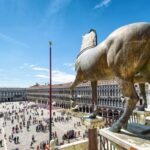
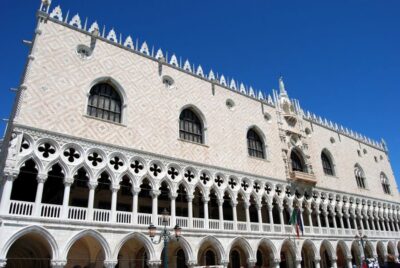
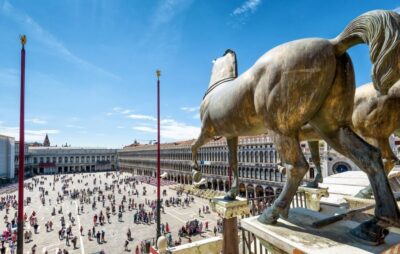
Then the walk brings you to Piazza San Marco. The tour time here is listed as 2 hours, which is generous compared with how quickly many tours rush through the square. The setting is described through key details: it’s paved in 1177 and surrounded by major buildings like the Basilica of San Marco, Doge’s Palace, the Correr Museum, the Campanile, and the Clock Tower.
Two practical points matter for San Marco.
First, the square sits at the lowest area of Venice, and it’s the first zone to flood with high water. That doesn’t mean your day is doomed, but it does mean you should plan for wet sidewalks and slippery stones.
Second, you may want to dress for church access. The tour notes that to visit churches you need covered shoulders and legs. Even if you don’t plan to go inside everything, dressing like that keeps options open instead of forcing you to decide last-minute.
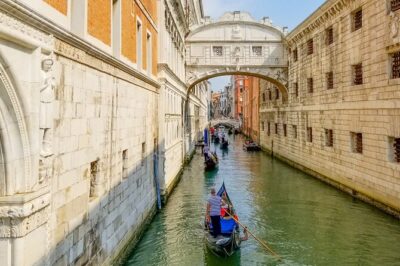
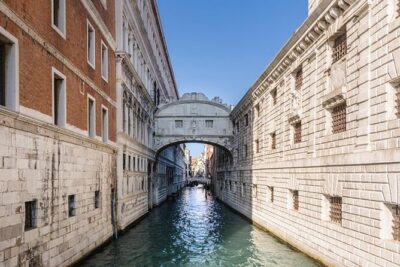
The route also includes the Bridge of Sighs area. You arrive to it after San Marco. This is one of those Venice “story bridges” that hits harder when you’ve already walked through a few different neighborhoods first. You’re not just seeing a symbol; you’re arriving at it after understanding the city’s flow.


Rialto Bridge and Rialto Market: the economic Venice stop
Now you’re heading to Rialto, including both the Rialto Bridge and the Rialto Market. This part is about what Venice was built on. The bridge is described as the oldest of Venice’s four Grand Canal bridges, and it served for years as the hub of the city’s economy.
The bridge you see today was built between 1588 and 1591, based on architect Antonio da Ponte’s plan, replacing an earlier wooden structure that collapsed and burned on multiple occasions. That history matters because the bridge isn’t just a pretty frame for photos. It’s a physical reminder that trade shaped Venice’s form.
You’ll cross the bridge, then take a tour of the Rialto Market. Expect a market atmosphere built around vendors and movement, not quiet contemplation. That’s a good contrast after San Marco’s monumental feel.
Time is about 30 minutes on this stop area, which is enough to get the gist and see what’s going on without turning it into a sprint. If you’re shopping-minded, you’ll likely spot antique-style windows and local goods earlier in the day too, but Rialto is where the market energy becomes obvious.
A hidden Grand Canal viewpoint: why this stop feels special
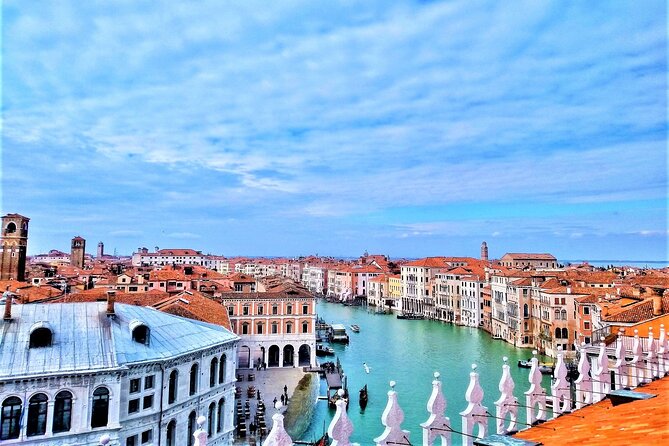
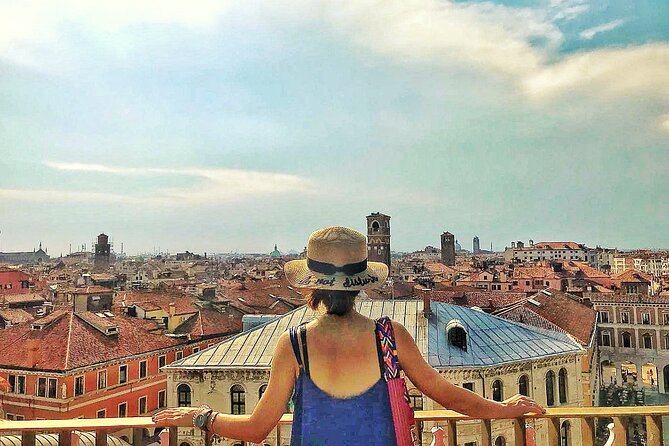
One highlight in the plan is a hidden place where you can appreciate an exclusive view of the Grand Canal. Since the exact spot isn’t described, treat this as one of those “trust the guide” moments. The value isn’t the specific address; it’s the perspective shift.
Most first-time visits to the Grand Canal are either from a major water-facing promenade or from a crowded photo spot. A quieter viewpoint makes the canal feel like a living system—streets feeding into it, buildings turning their faces to water, and the scale clicking into place.
This is also where your earlier neighborhood walking pays off. You’re not just standing in front of Venice; you’re seeing how the city is stitched together.
Wear something comfortable here. Viewpoint stops can involve standing in one place while boats move. It’s easy to forget how long you’ve been on your feet until you pause.
Lunch and cicchetti: how to eat without blowing your schedule
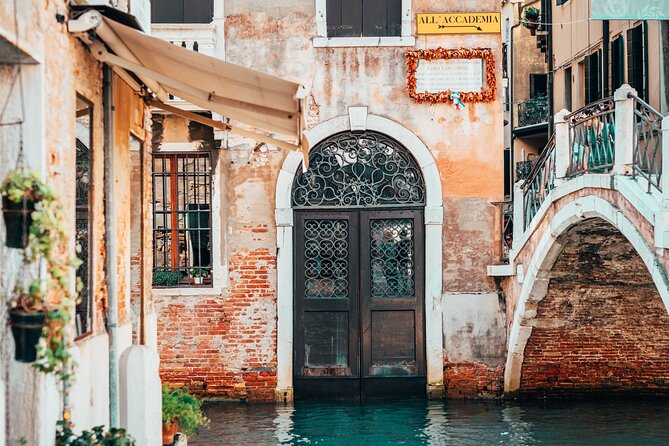
Lunch is handled in a very Venetian way. The plan describes an ancient bacaro tucked into the maze of calli, where you can enjoy traditional Venetian cicchetti. You can also choose an alternative if you’d rather not do cicchetti that day.
I like this approach because it gives you food that matches the city instead of forcing a random fast meal. Cicchetti are basically bite-sized, often served with a drink, and they let you taste more than one thing without losing the rest of your day.
One small reality check: lunch is not included. That means you should treat the lunch stop as a guided choice, not a guaranteed prepaid meal. Bring a card and some flexibility.
Also, the tour includes church guidance on dress code, but it doesn’t claim you’ll be entering monuments. Entrance fees for churches and monuments are listed as not included, and admission is currently described as not required, though it may change.
Getting back to your station: the ferry piece that saves time
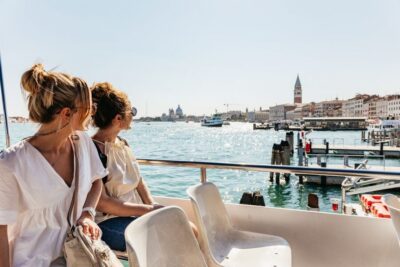
To finish, the plan includes a ferry boat ride back toward the rail station. This is part of the ending flow (about 30 minutes in the described timing). It’s a practical way to wrap a walking-heavy day because it reduces guesswork about how you’ll get out once you’re done exploring.
One note: the “return journey” by vaporetto is listed as not included. So think of this ferry as part of the tour route back toward the station area. If you’re continuing elsewhere after you reach the station, you’ll still need to handle those final transport steps on your own.
This setup is especially helpful if you’re combining Venice with train travel. You’re already oriented around Venezia Santa Lucia, and the tour ends where it makes sense for onward plans.
Price, group size, and pacing: when this tour feels like a smart buy
At $154.29 per person, you’re paying for a guided route that covers several major Venice zones and includes transport support from the Abano Terme side to the departure point. The tour also includes insurance and technical organization.
Big value items here are:
- a small group cap of 8 (less waiting, easier conversation)
- a guide who keeps you moving at a livable pace
- structured stops that match how Venice actually works (neighborhood order, not random landmark order)
- practical breaks, including espresso and a cicchetti-style lunch option
From the guide notes you shared, Chiara stands out for walking at the group’s pace instead of racing ahead, plus handling practical help like arranging train tickets and meeting at the station to reduce stress. That’s the kind of support you feel on a first visit.
Also, the tour is weather-dependent and requires good conditions. Venice on a rainy day can turn slippery fast. If it gets canceled due to poor weather, you’ll be offered a different date or a refund.
Who should book this Venice small-group walk
This tour fits best if you:
- want a guided path through Cannaregio, San Polo, and San Marco without juggling directions
- like small food moments: espresso and cicchetti
- prefer an 8-person max group
- want to balance quiet streets with the big sights like Rialto Bridge and Piazza San Marco
It’s less ideal if you:
- want a lot of museum time or long church interior visits (church/monument entries aren’t included, and time is split across districts)
- hate walking on narrow, sometimes uneven Venetian streets
Should you book this tour?
If this is your first time in Venice and you want a day that helps you understand the city instead of just checking boxes, I’d book it. The route gives you a strong arc: start in a quieter neighborhood, move through the street-life districts, then land at San Marco and Rialto when you’re ready for the crowds and the scale.
Your main decision point is your comfort level with walking and your lunch preferences. If you’re okay with a walking-focused 7.5-hour day and you’re open to eating cicchetti (or choosing an alternative on the spot), this tour is a solid way to get real Venice in one day.
FAQ
Where is the meeting point?
The tour starts at Venezia Santa Lucia (Venice, Metropolitan City of Venice, Italy) and ends back at the same meeting point.
What time does the tour start, and how long is it?
It starts at 9:00 am and lasts about 7 hours 30 minutes.
How many people are in the group?
The group maximum is 8 travelers.
Is pickup included?
Pickup is offered, and there is a round trip transfer to the place of departure.
What’s included in the price?
The included items are the walking tour with your local guide, round-trip transfer to the place of departure, traditional Italian life with the local guide, insurance and technical organization of a certified travel agency, and you’ll use a mobile ticket.
Is lunch included?
No. Lunch is not included.
Do I need tickets for churches or monuments?
Entrance to churches and monuments is not included. The information notes admission may be required in the future even if currently not required.
What should I wear if I want to enter churches?
You need covered shoulders and legs to visit churches.
FAQ
Is a €5 access fee sometimes required?
Yes. On certain dates, visitors staying outside of Venice may have to pay a €5 access fee. You can check applicable days and exemptions at https://cda.ve.it/it/
Can I cancel for free?
Yes. You can cancel up to 24 hours in advance for a full refund.
What happens if the weather is bad?
The tour requires good weather. If it’s canceled due to poor weather, you’ll be offered a different date or a full refund.
More Tours in Venice
- Murano & Burano: Boat Tour with Guide & Glass Factory Visit
★ 4.3 · 10,716 reviews - Doge’s Palace & St. Mark’s Basilica with Terrace Access Tour
★ 4.7 · 10,697 reviews - Venice: Burano, Torcello & Murano Boat Tour w/Glassblowing
★ 4.4 · 10,245 reviews - Murano, Burano and Torcello Half-Day Sightseeing Tour
★ 3.5 · 7,928 reviews - Murano & Burano Islands Guided Small-Group Tour by Private Boat
★ 4.5 · 7,580 reviews - Venice: Doge’s Palace and St Mark’s Basilica Walking Tour
★ 4.4 · 6,291 reviews
More Tour Reviews in Venice
- Venice: Doge’s Palace Reserved Entry Ticket
★ 4.6 · 42,716 reviews - Venice: Grand Canal Gondola Ride with App Commentary
★ 4.1 · 23,020 reviews - Venice: Grand Canal Gondola Experience with Live Commentary™
★ 4.2 · 16,504 reviews - Boat Trip: Glimpse of Murano, Torcello & Burano Islands
★ 4.3 · 15,699 reviews - Venice: La Fenice Opera House Entry Ticket with Audio Guide
★ 4.6 · 11,742 reviews - Murano & Burano: Boat Tour with Guide & Glass Factory Visit
★ 4.3 · 10,716 reviews
Fresh Off the Vaporetto: New Venice Reviews
Tours, compared.
 ★ 4.3Murano & Burano: Boat Tour with Guide & Glass Factory VisitFrom $2310,716 reviews
 ★ 4.7Doge’s Palace & St. Mark’s Basilica with Terrace Access TourFrom $12310,697 reviews
 ★ 4.4Burano, Torcello & Murano Boat Tour w/GlassblowingFrom $2810,245 reviews
 ★ 3.5Murano, Burano and Torcello Half-Day Sightseeing TourFrom $257,928 reviews
 ★ 4.5Murano & Burano Islands Guided Small-Group Tour by Private BoatFrom $367,580 reviews
 ★ 4.4Doge’s Palace and St Mark’s Basilica Walking TourFrom $1016,291 reviews
 ★ 4.4Murano & Burano Panoramic Boat Tour w/ GlassblowingFrom $296,212 reviews
 ★ 4.4Murano, Burano, Torcello: Tour with Guide & Glass FactoryFrom $286,187 reviews