
Review · VENETIAN COOKING CLASSES
Venice: Market and Cooking Class at a Local’s Home
Market smells beat any food app. This Venice experience pairs a guided market trip with a hands-on cooking class in a local home, led by a Cesarina (a certified home cook). I like that it is not just watching food happen. You shop, cook, and eat what you make.
Two things I really love are the Cesarina-led market walk where you learn what to buy (and how to spot the best produce), and the fact that the lesson ends with tasting the three local recipes you cook, with wines included. One thing to consider: this runs about 4 hours and is scheduled around either morning or afternoon starts, so you’ll want to keep that window open instead of trying to stack it with other big plans.
In This Review
- Key moments you’ll care about
- Why the Cesarina market-to-table flow works in Venice
- Timing: how the morning vs afternoon class changes the day
- The local market lesson: what you actually learn to buy
- Neighborhood flavor, craft stops, and local facts you might hear
- In the home kitchen: the “classroom” that feels like family dinner
- Cooking three regional recipes, hands-on (and why tastings are the point)
- Wine, coffee, and water: how the meal stays social
- Small group size: why max 10 makes a real difference
- Price and value: is $246.96 per person worth it?
- Who this class fits best (and who may want a different plan)
- Practical tips so you enjoy the day more
- Should you book this Venice market and cooking class?
- FAQ
- What is included in the Venice market and cooking class?
- How long is the experience?
- How large is the group?
- What languages are used during the class?
- Where do we meet, and where does it end?
- Are dietary requirements accommodated?
- What time does the market visit usually start?
- Is wine included?
- What is the cancellation policy?
Key moments you’ll care about
- Shop with a Cesarina and learn what makes ingredients worth buying
- Cook with a workstation set up for you (utensils plus all ingredients)
- Make three local recipes and taste everything at the table
- Small group size (max 10) so you get real hands-on help
- Wines, coffee, and water included with the meal
- Local home setting where you’ll feel how Italian families actually eat
Why the Cesarina market-to-table flow works in Venice
Venice has plenty of food tours. Some are more about photos than technique. This one is different because it starts with shopping and ends with a proper shared meal. You’re not just collecting bites. You’re learning the logic behind Italian cooking.
The Cesarina model is the core of the value. Italy’s first and finest network of home cooks has been running since 2004, so you’re stepping into a system that’s built around regional recipes, family habits, and teaching. In practical terms, that means you’ll get guidance that feels like learning from someone’s aunt, not someone reading a script.
I also like the pace. A market visit can be chaotic on your own. With a guide, you get a route and a reason for each stop. Then, once you’re at the home kitchen, the lesson feels tied together: what you picked becomes what you cook.
You’ll also notice a subtle but important detail: the class is shared and capped at 10 participants. That limits the crowd effect and keeps the instruction personal. In a small kitchen, that matters.
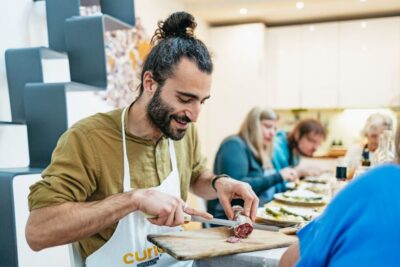
Aprons on in a Venetian kitchen, a few more
- Venice: Pasta and Tiramisu Cooking Class with Wine★ 4.9 · 1,010 reviews
- Pasta and Tiramisu Cooking Class with Wine in Venice★ 5.0 · 945 reviews
- Traditional Home Cooking Experience in Venice★ 5.0 · 377 reviews
- Market Tour and Cooking Class with a Local Venetian Chef★ 5.0 · 313 reviews
Timing: how the morning vs afternoon class changes the day
This experience runs for 4 hours, with a typical market start of 9:00 AM or 4:00 PM in the afternoon. Those times are flexible based on your needs, and your provider will adjust if you notify them in advance.
So how should you think about it?
If you do the morning slot, you’ll get a practical head start on Venice. You’ll return with a full meal in your system, plus a better sense of how Venetians shop for everyday ingredients. It’s a great move if you’re planning to walk around a lot afterward and you want your energy (and taste buds) ready.
If you do the afternoon slot, you’re turning a potentially slow stretch into something active. You’ll also end closer to dinner time, which can make it easier to avoid the classic Venice trap: eating a random late snack and then feeling too heavy to enjoy a real meal later.
Either way, because this ends back at your meeting point, plan to be near your starting area at the end. Don’t schedule another far-away reservation right after.
The local market lesson: what you actually learn to buy
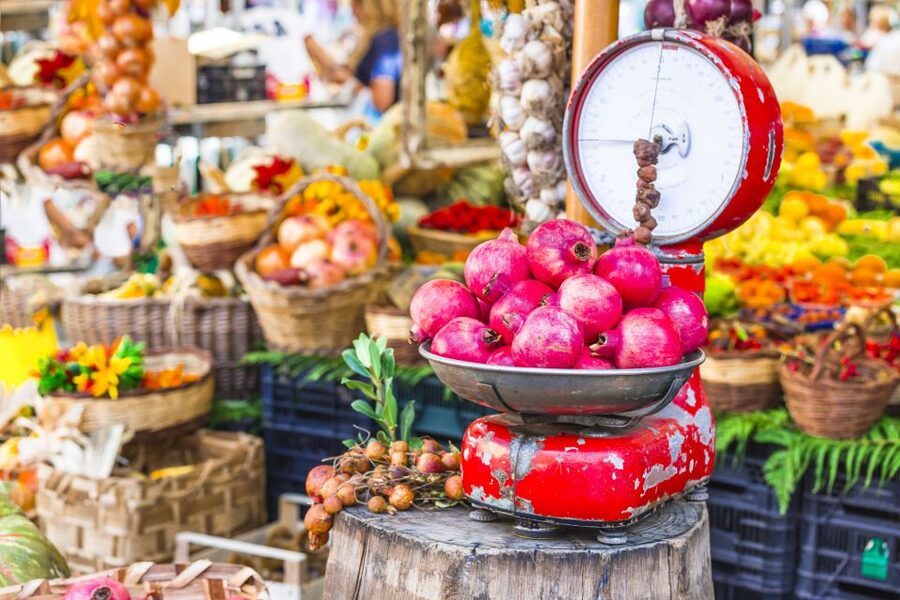
The market portion is where this tour earns its keep. You go food shopping like a local with your Cesarina. The goal is not just to see stalls. It’s to learn how to recognize the best produce from the land.
Here’s what this kind of shopping walk typically gives you, if you pay attention: you start understanding how Italians think about ingredients. It’s the difference between buying something because it looks good and buying it because it’s in season, smells right, and matches the dish you’re planning to cook.
You’ll also get the benefit of having a guide with you for small decisions. For example, you might hear tips about how to judge freshness or what to look for when selecting items that later become the backbone of a sauce or filling. Those skills don’t expire after the class.
One helpful detail from past sessions: some Cesarina-led walks also include quick neighborhood stops beyond the market itself, like local craft shops. That can add texture to your day, as long as you treat it as part of the story, not an extra shopping errand.
Neighborhood flavor, craft stops, and local facts you might hear
A market trip in Venice can feel like sensory overload. I like that this experience often adds small side stops that make the city click.
In one example, the Cesarina tour included walking through the neighborhood and pointing out an artist area, plus stops at places like a glass blower and a painter’s shop. Then the route continued toward the little market for ingredients for the meal.
You might also pick up highly practical local knowledge during the stroll. In another session, the Cesarina pointed out where a walking bridge to Venice is built once a year for a festival. That kind of detail doesn’t change your cooking skills, but it does change how you notice Venice afterward.
Keep expectations realistic: you’re still doing a market-to-home class. The extra stops are short and purpose-driven, not a full second tour.
In the home kitchen: the “classroom” that feels like family dinner
After the market, you head to the Cesarina’s home. The address is shared after you book, and you’ll meet at a location arranged after booking based on needs and dietary requirements.
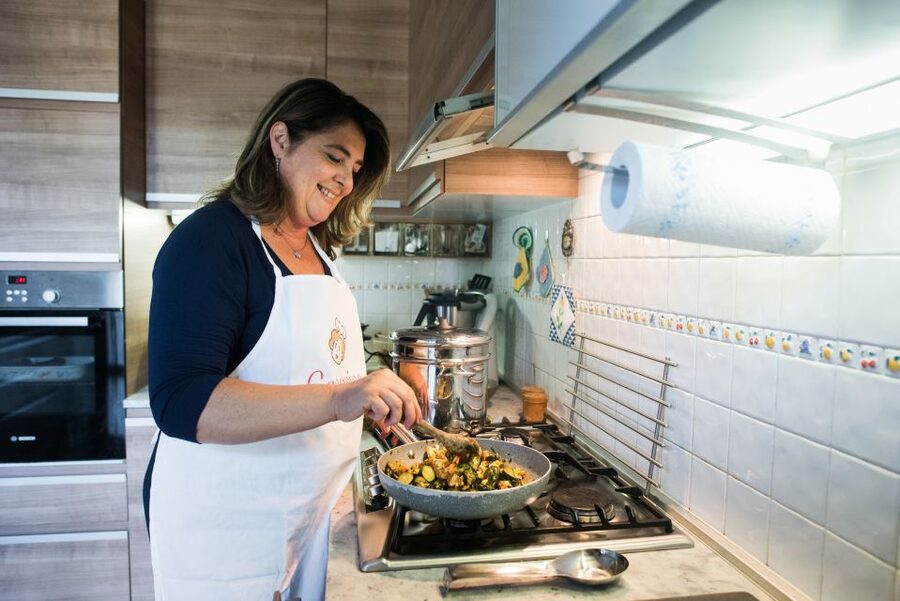
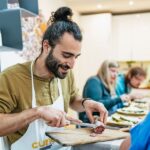
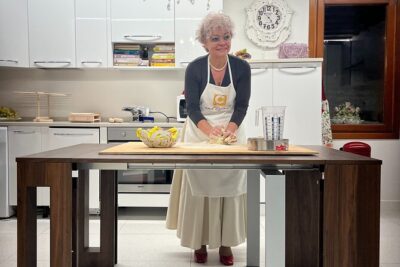
Once you’re inside, the setup is designed for comfort and speed. You get a workstation with utensils and all the ingredients needed to make the dishes. That matters because it means you’re not hunting for missing tools in a strange kitchen or worrying about ingredient gaps.
This is also where the “home cook” part becomes real. A home kitchen tends to run on flow: prep happens while something else cooks, people taste for balance, and adjustments happen without drama. You’ll likely see the same approach in how the lesson is structured.
And yes, it’s shared. But since the group is limited to 10 participants, it stays coordinated. That’s the difference between being stuck on the sidelines and actually having your hands involved.
More artisan workshops and market lanes


Cooking three regional recipes, hands-on (and why tastings are the point)
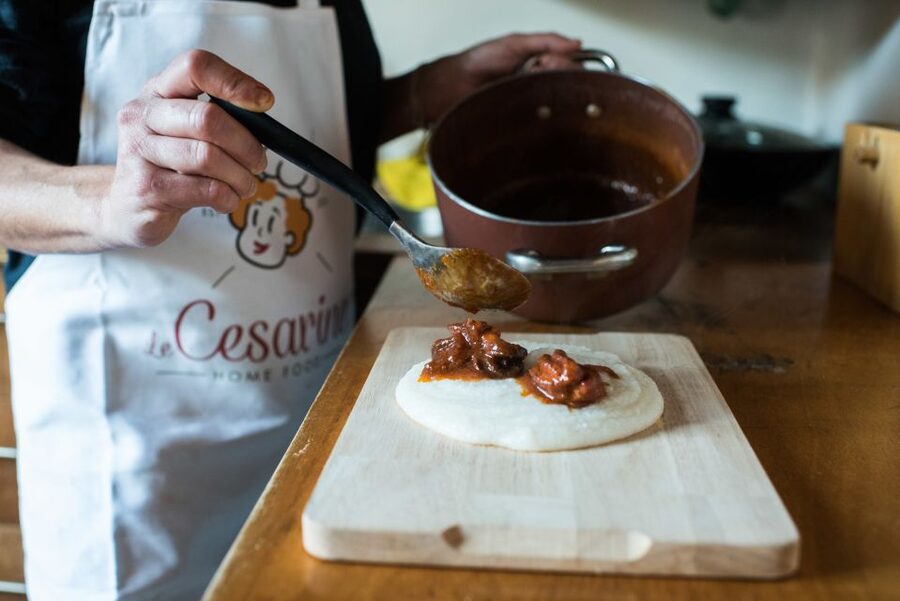
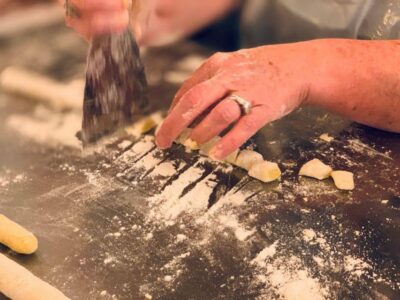
During the lesson, the Cesarina reveals the tricks of the trade for three authentic local recipes. You’ll put your cooking skills to the test, guided step by step.
What I like about this structure is that it forces you to learn by doing. You’re not just hearing what to do. You’re doing it, tasting it as you go, and learning what changes when you adjust something small.
In past sessions, examples of dishes included tiramisu, an appetizer, and fresh pasta with a red sauce featuring artichokes. Not every class will be identical, but the pattern is consistent: you get a mix of signature Italian flavors and a couple of “wow, I made that” moments.
The big payoff is that you taste everything you’ve prepared, around the table. The tastings are included, and you’re also served beverages: water, wines, and coffee.
That meal format is the part I’d call most memorable. In many classes, the eating is an afterthought. Here, the meal is the finish line.
Wine, coffee, and water: how the meal stays social
Food lessons can stay stiff. This one leans social. Wines are included, along with coffee and water, so the meal feels like something you’d share after cooking with friends.
This matters for two reasons:
- You get context for flavor. Wine and coffee help you understand balance and finish. It turns the tasting into a real dining moment, not a checkbox.
- It keeps momentum. Cooking can be tiring. A shared table helps everyone reset and enjoy the results without rushing out for the next stop.
Also, the home setting encourages a calmer pace. You’re not stuck in a lecture hall, and you’re not getting pulled along by a clock-driven schedule after each step.
Small group size: why max 10 makes a real difference
The group limit is 10 participants. That’s not a random number. It directly affects how much you can participate.
In a larger group, you might chop while watching someone else assemble the final dish. In a smaller one, you’re more likely to get closer to the action: asking questions, trying steps yourself, and getting feedback fast.
It’s also easier for your Cesarina to adapt to the group. Dietary needs can also be handled. Your Cesarina can cater to different dietary requirements, but you need to confirm directly with the local provider after booking.
If you have specific needs, this is the kind of tour you want to take seriously. Message early and be clear. In a small kitchen, clarity helps everyone.
Price and value: is $246.96 per person worth it?
At $246.96 per person, this isn’t a budget activity. You’re paying for more than a recipe card.
Here’s what you’re actually getting for that price:
- A market visit led by a Cesarina
- A shared cooking class in a local home
- Tastings of three recipes you cook
- Beverages (water, wines, coffee)
- Local taxes included
Then factor in the hidden costs you avoid. You do not have to buy ingredients and then wonder what to do with leftover food. You also do not have to pay separately for a guide and a kitchen rental. Most importantly, you’re buying time with a teacher who’s working in a real home, not a demo studio.
When this feels worth it: if you want practical cooking skills and a sit-down meal experience. If you just want a quick snack tour, it will likely feel too structured.
I’d also call out the value of learning what to buy and why. That knowledge travels with you. It can turn future grocery trips into smaller versions of this day.
Who this class fits best (and who may want a different plan)
This works especially well for you if:
- You enjoy hands-on cooking, not just tasting
- You want a market-guided ingredient lesson
- You like small groups where you can actually talk
- You want a meal experience with wines and coffee included
It may not be ideal if:
- You want lots of free time for independent sightseeing
- You dislike cooking with shared space and a guided pace
- You’re looking only for a quick, casual food walk
In Venice, it can be tempting to stack tours. I’d keep this as a centerpiece. Let it anchor your day, then build lighter plans around it.
Practical tips so you enjoy the day more
A few simple things make these classes go smoother:
- Wear comfortable shoes. Even with a short walking route, a market visit means time on your feet.
- Bring a small tote or bag just in case you end up with items from market stops.
- Come with questions. Your Cesarina can explain why certain ingredients matter and how they’re used in regional recipes.
- If you have dietary requirements, plan to confirm with the provider after booking. This tour is set up for catering, but it needs that communication.
Also remember the class ends back at your meeting point. If you’re using public transit, make sure you’re not stranded across town after the meal.
Should you book this Venice market and cooking class?
Book it if you want the most valuable kind of souvenir: skills and context. A Cesarina-led market plus a home cooking class plus eating what you made is a three-part win. The small group size, the workstation setup, and the fact that you taste three local recipes with wine makes it feel like a full experience, not a short demo.
Skip it if you’re mainly chasing the quickest, cheapest food hit. This is for people who like learning and cooking, and who want a sit-down meal with real guidance.
If your schedule fits the 9:00 AM or 4:00 PM windows, and you’re comfortable spending about four hours in a shared home kitchen, this is one of those Venice activities that tends to stick with you long after the last bite.
FAQ
What is included in the Venice market and cooking class?
It includes a local market visit with your Cesarina, a shared cooking class, tastings of the three local recipes, beverages (water, wines, and coffee), and local taxes.
How long is the experience?
The experience lasts about 4 hours. Starting times vary, so you should check availability for the time options.
How large is the group?
The group is small, limited to 10 participants.
What languages are used during the class?
The instructor can teach in English and Italian.
Where do we meet, and where does it end?
You will be contacted after booking to arrange the meeting point based on your needs and dietary requirements. The activity ends back at the meeting point.
Are dietary requirements accommodated?
Yes. Your Cesarina can cater to different dietary requirements, but you need to confirm details directly with the local tour provider after booking.
What time does the market visit usually start?
The market tour usually starts at 9:00 AM for the morning session and at 4:00 PM for the afternoon session, but it is flexible based on requirements if you notify the provider in advance.
Is wine included?
Yes. The beverages included are water, wines, and coffee.
What is the cancellation policy?
You can cancel up to 24 hours in advance for a full refund.
Artisan Lanes and Market Stalls
- Venice Street Food Tour with Local Guide with Local Food Market Visit
★ 5.0 · 822 reviews - Venice: Rialto Market Food and Wine Lunchtime Tour
★ 5.0 · 383 reviews - Market Tour and Cooking Class with a Local Venetian Chef
★ 5.0 · 313 reviews - Rialto Market Food and Wine Lunchtime Tour of Venice
★ 5.0 · 278 reviews - Private Secret Venice Tour; Rialto Market, San Polo & Food and Wine tasting
★ 4.0 · 220 reviews - Venice: Rialto Market Tour, Cooking Class, and Lunch
★ 4.9 · 119 reviews
More Tour Reviews in Venice
- Venice: Doge’s Palace Reserved Entry Ticket
★ 4.6 · 42,716 reviews - Venice: Grand Canal Gondola Ride with App Commentary
★ 4.1 · 23,020 reviews - Venice: Grand Canal Gondola Experience with Live Commentary™
★ 4.2 · 16,504 reviews - Boat Trip: Glimpse of Murano, Torcello & Burano Islands
★ 4.3 · 15,699 reviews - Venice: La Fenice Opera House Entry Ticket with Audio Guide
★ 4.6 · 11,742 reviews - Murano & Burano: Boat Tour with Guide & Glass Factory Visit
★ 4.3 · 10,716 reviews
Cook It Yourself: Venetian Kitchens
- Venice: Pasta and Tiramisu Cooking Class with Wine
★ 4.9 · 1,010 reviews - Pasta and Tiramisu Cooking Class with Wine in Venice
★ 5.0 · 945 reviews - Traditional Home Cooking Experience in Venice
★ 5.0 · 377 reviews - Market Tour and Cooking Class with a Local Venetian Chef
★ 5.0 · 313 reviews - Small Group Pasta and Tiramisu Class at Local’s Home in Venice
★ 4.5 · 236 reviews - Venice: Pasta and Tiramisu Cooking Class at a Local’s Home
★ 4.8 · 205 reviews
Fresh Off the Vaporetto: New Venice Reviews



Venetian Cooking Classes, compared.
 ★ 4.9Pasta and Tiramisu Cooking Class with WineFrom $781,010 reviews
 ★ 5.0Pasta and Tiramisu Cooking Class with Wine in VeniceFrom $76945 reviews
 ★ 5.0Traditional Home Cooking Experience in VeniceFrom $95377 reviews
 ★ 5.0Market Tour and Cooking Class with a Local Venetian ChefFrom $127313 reviews
 ★ 4.5Small Group Pasta and Tiramisu Class at Local’s Home in VeniceFrom $119236 reviews
 ★ 4.8Pasta and Tiramisu Cooking Class at a Local’s HomeFrom $215205 reviews
 ★ 4.9Yummy Cooking Class In VeniceFrom $112122 reviews
 ★ 4.9Rialto Market Tour, Cooking Class, and LunchFrom $146119 reviews
Browse the lists this tour appears in