
Review · VENETIAN COOKING CLASSES
Venice: Traditional Home Cooking Experience
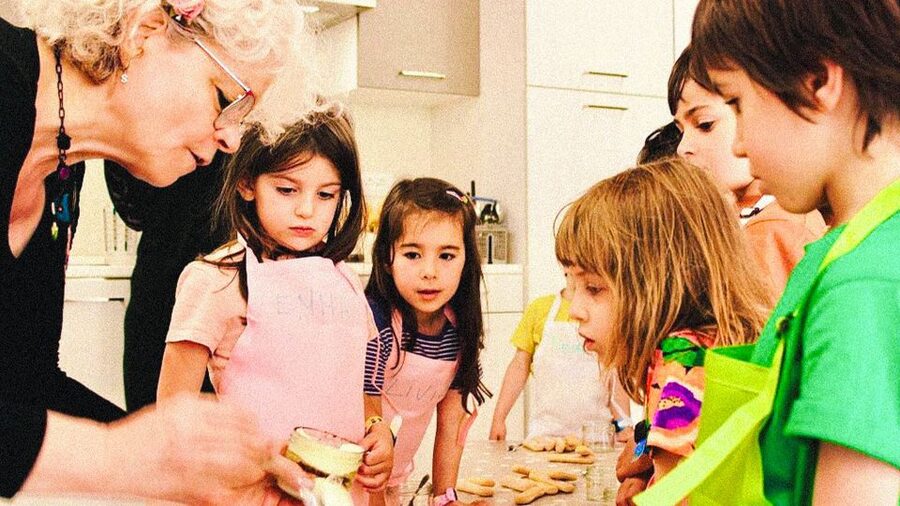
Venice does cooking classes. This one feels like visiting a home. On Giudecca Island, you learn to make pasta fresca step-by-step with a local host, then sit down to the meal you built. What makes it interesting is the setting: a quieter Venice side with gardens and orchards, where Venetians once escaped the summer heat.
I love how hands-on it is. You don’t just watch dough get made—you shape pasta forms, learn how to dress them with sauce, and work through the full meal rhythm. I also like the payoff: you finish with a true Italian tiramisu (plus gelato), not some quick version.
One consideration: there’s no hotel pickup, so you’ll need to get yourself to Giudecca Island and back. Plan your vaporetto (water bus) or taxi time so you’re not stressed right before class.
In This Review
- Key points to know before you go
- Giudecca Island cooking class with Rosa S: the quiet side of Venice
- Getting to the meeting point (and why the commute is part of the experience)
- What the 3 hours actually feels like (Prosecco to coffee)
- Making pasta fresca from scratch: dough, shapes, and sauce logic
- The second course: baked vegetables and fruit (yes, fruit)
- Tiramisu and gelato: finishing with a classic the right way
- Wine, dinner pace, and how coffee closes the evening
- The value of €? (and why the price can make sense)
- Who this is best for (and who should think twice)
- Small practical tips that make the evening smoother
- Should you book this Venice home cooking class?
- FAQ
- How long is the cooking class in Venice?
- What do you learn to cook?
- Is lunch or dinner included?
- Is wine included?
- Where is the meeting point?
- How do I get to Giudecca Island for the class?
- Is hotel pickup and drop-off included?
- What languages are offered?
- What is the cancellation window?
Key points to know before you go
- Giudecca Island setting: calmer than central Venice, with the feel of lived-in island life
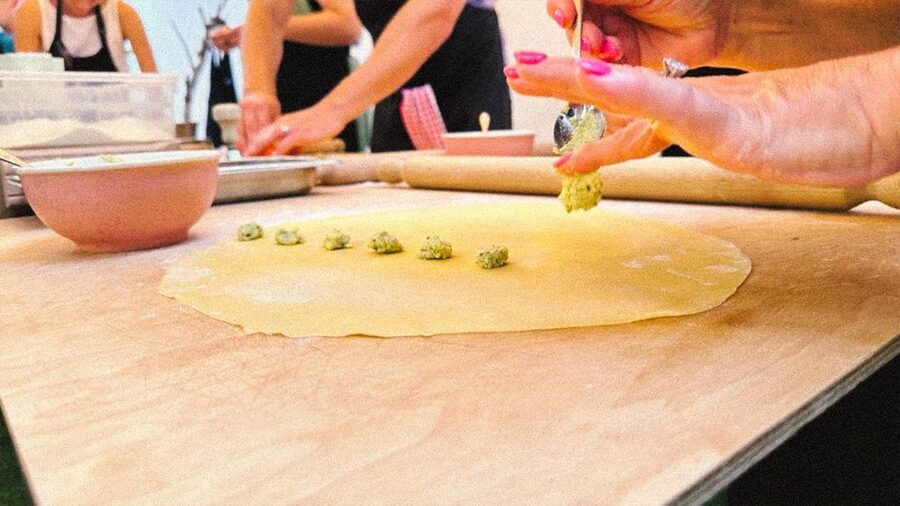
- Real hands-on pasta fresca: dough, shaping, and sauces are part of the work, not just the show
- A full meal built around what you cook: baked vegetables and fruit, then tiramisù with gelato
- Wine and Prosecco with dinner: a complete Italy-meal vibe, not a snack-and-run
- Recipes to take home: you leave with the plan for repeating this at home
Giudecca Island cooking class with Rosa S: the quiet side of Venice
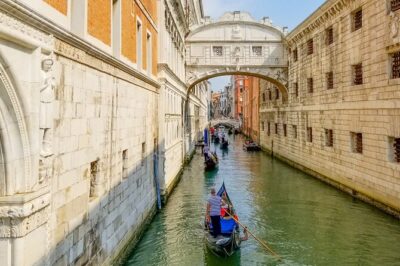
Most first-time visitors only see Venice as a postcard: canals, crowds, and the same few streets. Giudecca Island is different. It still keeps that working-island feel—orchards, gardens, and local life—and it’s known as a summer refuge area when Venetian nobility fled the warmer months.
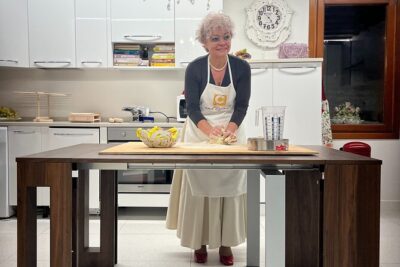
That matters because it changes how the class feels. You’re not doing “tour Venice” in a studio. You’re crossing the harbor to a place where Venice feels slower and more ordinary—in a good way. One of the best parts is that the host greets you at her home kitchen in a colorful, lived-in setting, so the whole evening has a more personal rhythm than a typical group activity.
If you’re the type who likes your travel to feel specific to a place, this island detail is a big reason to choose this class.
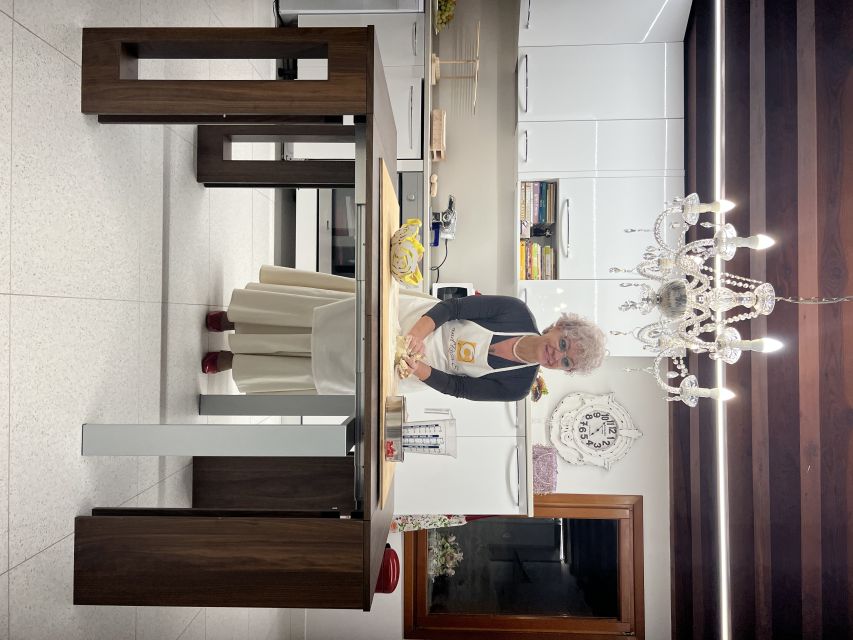
Aprons on in a Venetian kitchen, a few more
- Venice: Pasta and Tiramisu Cooking Class with Wine★ 4.9 · 1,010 reviews
- Pasta and Tiramisu Cooking Class with Wine in Venice★ 5.0 · 945 reviews
- Traditional Home Cooking Experience in Venice★ 5.0 · 377 reviews
- Market Tour and Cooking Class with a Local Venetian Chef★ 5.0 · 313 reviews
Getting to the meeting point (and why the commute is part of the experience)
You’ll meet at Buzz Rosa S on Giudecca Island, and the activity ends back at the same meeting spot.
To reach Giudecca by public transport, take the vaporetto from San Marco. You can use line 2 or 4.1, and get off at Redentore.
If you prefer a taxi, you can get off at fondamenta della croce on Giudecca.
No hotel pickup is included, so think of this as an activity where you manage your own timing. The good news: the directions are straightforward, and arriving early gives you time to settle in and not rush into an apron-less start.
Also, if you’re a planner, do this once on your first Venice day rather than your last. There’s nothing worse than trying to solve transit problems while you’re hungry and excited.
What the 3 hours actually feels like (Prosecco to coffee)
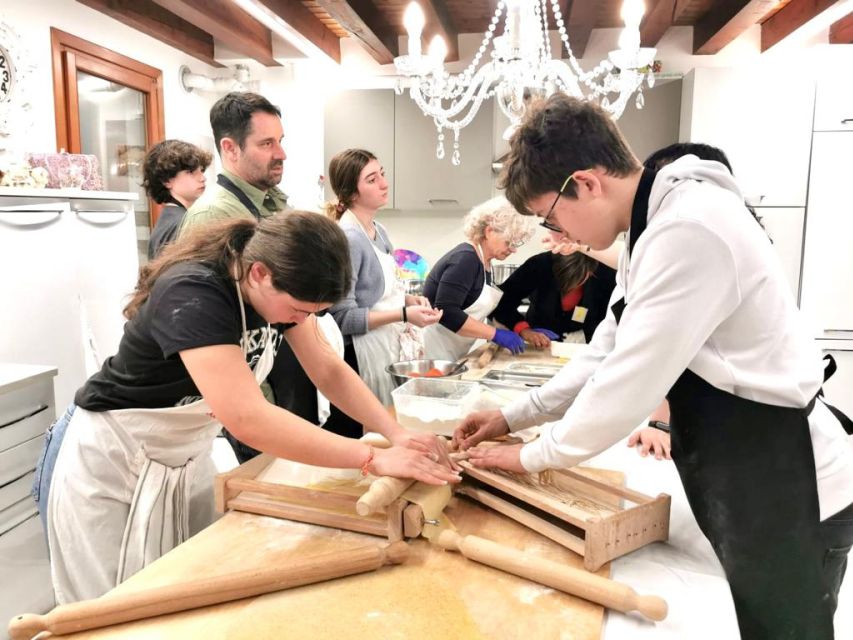
This is a 3-hour hands-on cooking class with a 3-course meal and wine. It includes lunch/dinner, plus alcoholic beverages. Your host teaches you in English or Italian (depending on the session), and the class is structured like a real meal: welcome, cooking, eating, and finishing with coffee.
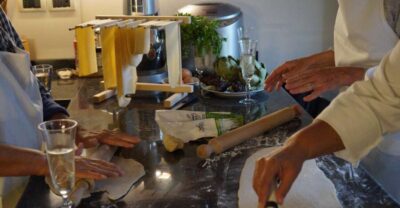
Even before you touch dough, you’ll likely start with a welcome drink: a glass of Prosecco. Many classes also begin with small bites (one guest noted bread, cheese, and homemade orange marmalade). Either way, it sets the tone fast: relaxed, friendly, and focused on enjoying the food process.
Then comes the work—real cooking tasks, guided closely, not just instructions from across the room. After that, you sit down to eat what you made, with local wine or water, and end with a classic Italian coffee.
The structure is one of the reasons the experience lands well: you’re learning, then you’re rewarded immediately, and there’s no awkward “now go find dinner elsewhere.”
Making pasta fresca from scratch: dough, shapes, and sauce logic
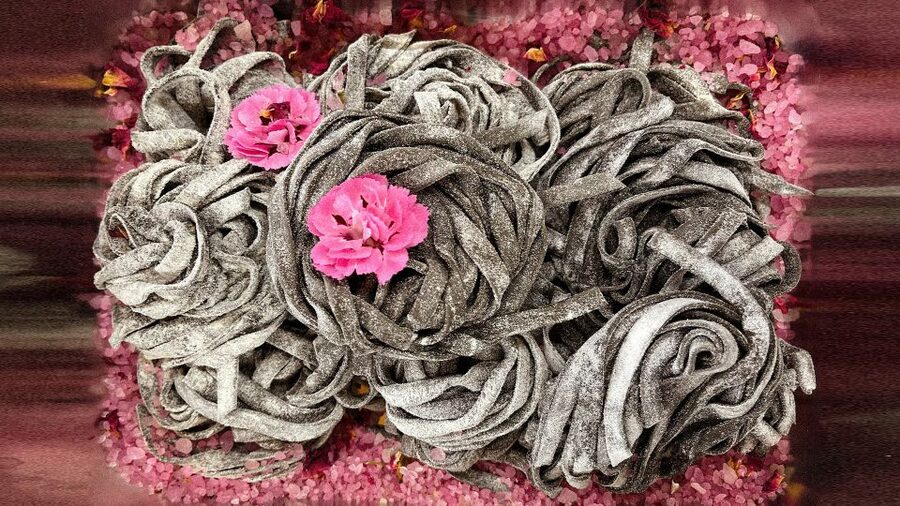
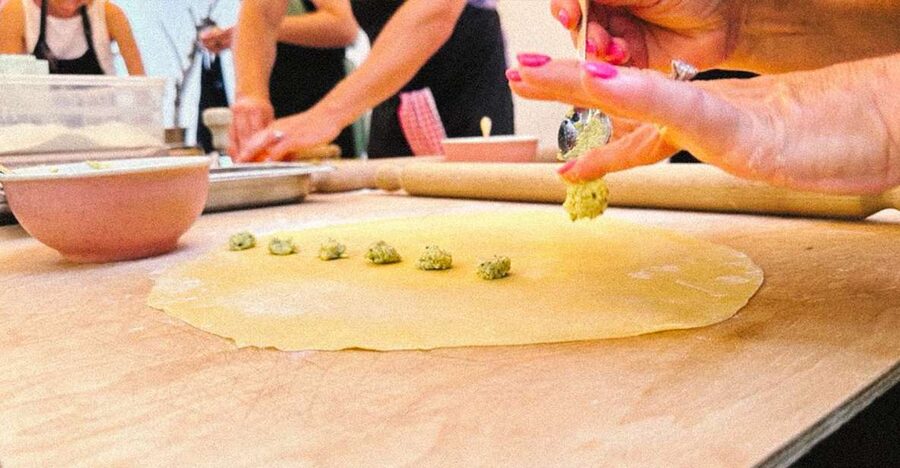
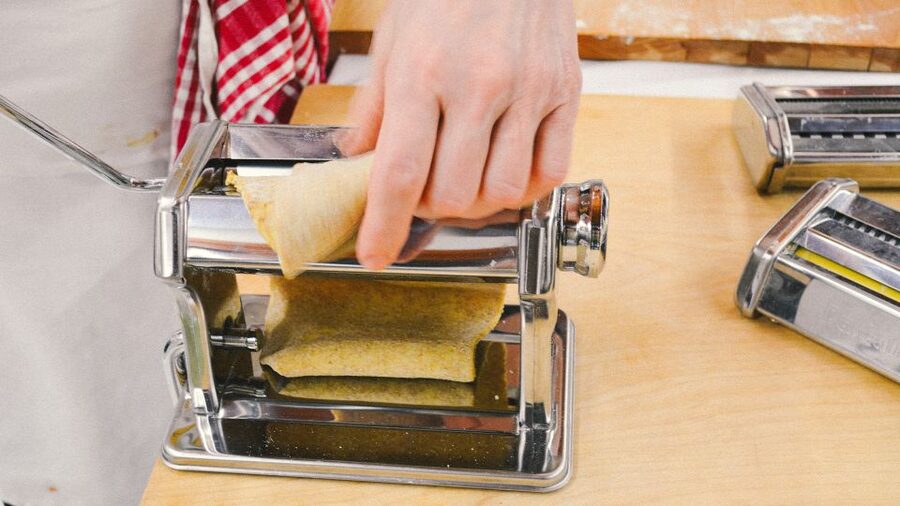
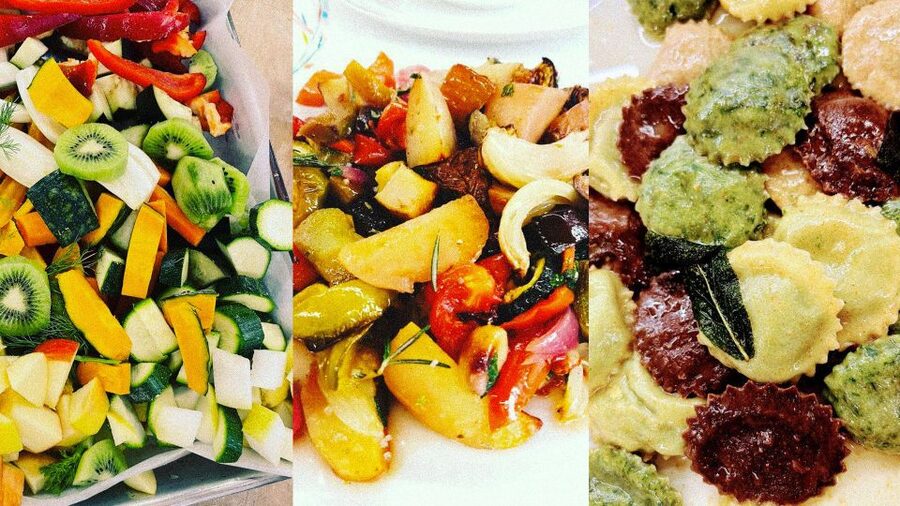
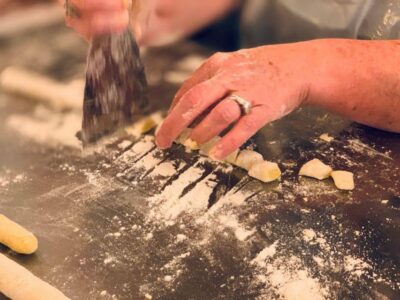
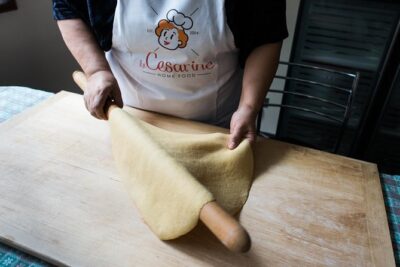
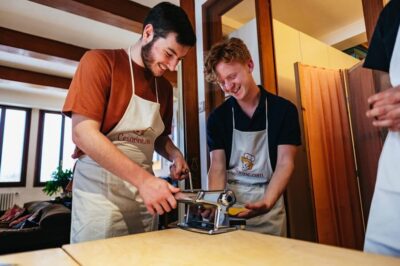
The heart of the class is traditional pasta fresca from scratch. You start by preparing the pasta dough and then turning it into classic forms of fresh pasta. This is the part where you’ll get the most hands-on learning.
Your host guides you carefully through the process—how the dough should feel, how to handle it, and how to work the shapes. If you’ve only ever bought dry pasta, this is a big shift. Fresh pasta cooks fast, and the texture changes how sauces cling. You’ll understand that through doing, not reading.
What I like here for your learning is that you’re not just making one thing. You’ll prepare pasta and also learn what to pair it with. The class includes making the sauces to dress the pasta, so you start to connect flavors to technique. That’s what makes this more than a fun night out.
And yes, the ingredients are meant to stay seasonal, so you’re working with the tastes that make sense for the time of year rather than a “fixed menu” everyone eats the same way.
The second course: baked vegetables and fruit (yes, fruit)
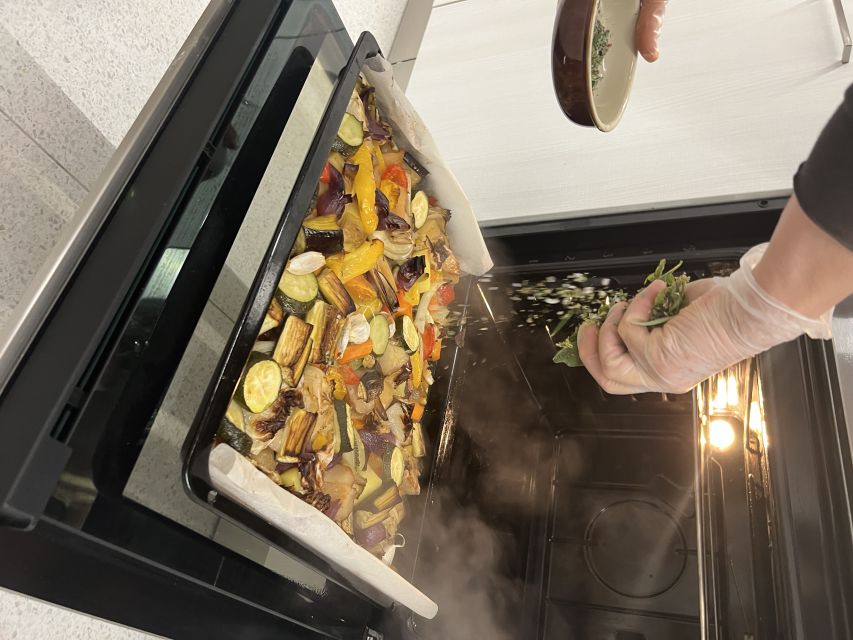
After pasta and sauce, you move into the second course: a pan of baked vegetables and fruit described as a signature of the host. This is where the class shows you another side of Italian home cooking—one that’s not only about pasta.
One guest specifically called out a dish that included kiwi fruit. The key point for you: this course is designed to use seasonal produce, so you’ll likely get variations depending on what’s available.
Don’t expect a dessert-like fruit situation. Think of it as sweet-salty, oven-warmed, and meant to balance the meal. The vegetables keep it grounded, and the fruit adds brightness. It’s a useful lesson if you want to take the recipe approach home and not just copy one dish.
If you’re the kind of cook who experiments, you’ll probably enjoy this part a lot. If you’re someone who’s very cautious about mixing fruit with savory, keep an open mind—this course is built into the local logic of the meal.
More hours at a Venetian stove
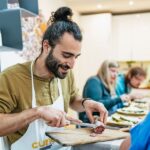
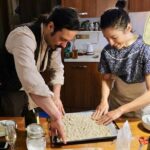
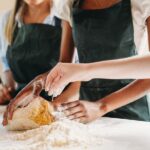
Tiramisu and gelato: finishing with a classic the right way
Then comes the sweet finale. You’ll prepare tiramisu using a traditional approach, and the experience also includes gelato.
Tiramisu is one of those desserts that sounds simple until you try making it and realize small choices matter: texture, layering, and balance. Since you’re making it yourself here, you’ll get a feel for what the dessert should look and taste like as it comes together.
I also like that you don’t just eat dessert and leave. The cooking time plus the meal flow means you’re part of the process from start to finish. It feels like a real dinner with the recipe element added.
And because the host teaches in a warm, patient way (including making sure children were included in the cooking tasks in at least one family experience), it works well for mixed groups too. You’re not stuck being a silent observer.
Wine, dinner pace, and how coffee closes the evening
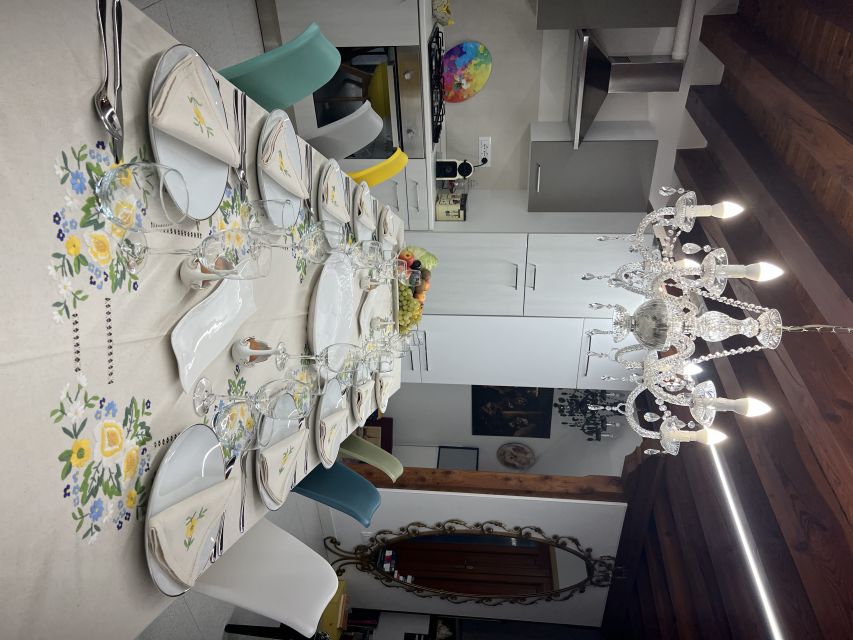
When you sit down, you’ll eat what you prepared, with local wines or water. This isn’t a “tour food” setup. It’s a real meal format where you cook, taste, then continue eating while chatting.
Guests have described the hosts as energetic and welcoming, and the kitchen feels like a home—colorful, social, and focused. One family even described the feeling as like learning from Nonna, with the host sharing stories while explaining the steps.
After the meal, you’ll finish with classic Italian coffee. It’s such a small detail, but it helps the whole experience feel complete, like a full evening, not a timed workshop you rush through.
The value of €? (and why the price can make sense)
The price listed is $123.48 per person for about 3 hours, including:
- a hands-on cooking class
- 3-course meal
- wine and Prosecco
- and recipes to take home
In Venice, you can spend a lot for experiences that are mostly “watching.” Here, you’re paying for instruction, ingredients, and the dinner you eat right after cooking. That’s the core value: you leave with both food memories and practical recipes, plus a meal that would cost real money if you ordered it in a restaurant.
Also, doing this on Giudecca helps the experience feel less like a standard Venice checklist stop. You’re getting a specific setting and a specific host-led approach, which tends to be where the best value lives.
If you compare it to an expensive dinner alone, this can feel like a bargain because you’re not just consuming—you’re learning and then repeating at home.
Who this is best for (and who should think twice)
This class is a great fit if you want:
- hands-on cooking (not just a tasting)
- an experience that feels local and family-oriented
- a clear structure: pasta fresca, sauce, a baked veg/fruit course, then tiramisù
- recipes you can actually use later
It also fits families. One guest described how the host was patient with children (ages 11 and 8) and involved them in the class tasks. If you’re traveling with teens who want a break from museums, this can be a fun change of pace.
If you’re the type who hates cooking or wants a very low-effort activity, this might feel like work. You’ll be making pasta and handling real steps, which is the point. So be honest with yourself.
Small practical tips that make the evening smoother
- Give yourself extra time to reach Giudecca. No pickup means you control the timing.
- Plan to eat well afterward. You’ll leave with plenty of food, and that changes the rest of your evening and possibly the next day.
- Bring comfortable clothes. You’re working with dough and spending real time in a kitchen.
- If you’re sensitive to alcohol, choose water with dinner. Wine and Prosecco are part of the experience, but you can pace yourself.
Should you book this Venice home cooking class?
Yes—if your idea of a great Venice trip includes a real meal, hands-on learning, and a setting that feels calmer than the main tourist lanes.
I’d book it if you:
- want to cook pasta fresca with a local host
- care about leaving with recipes
- like the idea of a full dinner flow (wine, meal, coffee) rather than a short tasting
Skip it if:
- you don’t want to travel over to Giudecca on your own
- you only want walking-and-sightseeing, not kitchen work
If you’re ready for an evening that mixes Venice flavor with a skill you can use at home, this is the kind of booking that turns into a long-term memory, not just a photo.
FAQ
How long is the cooking class in Venice?
The class lasts 3 hours.
What do you learn to cook?
You’ll make traditional pasta fresca from scratch, prepare a fresh seasonal sauce, cook a baked second course of vegetables and fruit, and prepare tiramisù with gelato.
Is lunch or dinner included?
Yes. The experience includes lunch/dinner as part of the 3-course meal.
Is wine included?
Yes. The meal includes fine Italian wine, along with alcoholic beverages (including a welcome Prosecco glass).
Where is the meeting point?
The meeting point is at Buzz Rosa S.
How do I get to Giudecca Island for the class?
Take the vaporetto from San Marco on line 2 or 4.1 and get off at Redentore. Or take a taxi and get off at fondamenta della croce on Giudecca.
Is hotel pickup and drop-off included?
No. Hotel pickup and drop-off are not included, and the activity ends back at the meeting point.
What languages are offered?
The host or greeter speaks English and Italian.
What is the cancellation window?
You can cancel up to 24 hours in advance for a full refund.
Learn Another Venetian Dish
- Venice: Pasta and Tiramisu Cooking Class with Wine
★ 4.9 · 1,010 reviews - Pasta and Tiramisu Cooking Class with Wine in Venice
★ 5.0 · 945 reviews - Traditional Home Cooking Experience in Venice
★ 5.0 · 377 reviews - Market Tour and Cooking Class with a Local Venetian Chef
★ 5.0 · 313 reviews - Venice: Pasta and Tiramisu Cooking Class at a Local’s Home
★ 4.8 · 205 reviews - Yummy Cooking Class In Venice
★ 4.9 · 122 reviews
More Tour Reviews in Venice
- Venice: Doge’s Palace Reserved Entry Ticket
★ 4.6 · 42,716 reviews - Venice: Grand Canal Gondola Ride with App Commentary
★ 4.1 · 23,020 reviews - Venice: Grand Canal Gondola Experience with Live Commentary™
★ 4.2 · 16,504 reviews - Boat Trip: Glimpse of Murano, Torcello & Burano Islands
★ 4.3 · 15,699 reviews - Venice: La Fenice Opera House Entry Ticket with Audio Guide
★ 4.6 · 11,742 reviews - Murano & Burano: Boat Tour with Guide & Glass Factory Visit
★ 4.3 · 10,716 reviews
Cook It Yourself: Venetian Kitchens
- Venice: Pasta and Tiramisu Cooking Class with Wine
★ 4.9 · 1,010 reviews - Pasta and Tiramisu Cooking Class with Wine in Venice
★ 5.0 · 945 reviews - Traditional Home Cooking Experience in Venice
★ 5.0 · 377 reviews - Market Tour and Cooking Class with a Local Venetian Chef
★ 5.0 · 313 reviews - Small Group Pasta and Tiramisu Class at Local’s Home in Venice
★ 4.5 · 236 reviews - Venice: Pasta and Tiramisu Cooking Class at a Local’s Home
★ 4.8 · 205 reviews
Fresh Off the Vaporetto: New Venice Reviews

Venetian Cooking Classes, compared.
 ★ 4.9Pasta and Tiramisu Cooking Class with WineFrom $781,010 reviews
 ★ 5.0Pasta and Tiramisu Cooking Class with Wine in VeniceFrom $76945 reviews
 ★ 5.0Traditional Home Cooking Experience in VeniceFrom $95377 reviews
 ★ 5.0Market Tour and Cooking Class with a Local Venetian ChefFrom $127313 reviews
 ★ 4.5Small Group Pasta and Tiramisu Class at Local’s Home in VeniceFrom $119236 reviews
 ★ 4.8Pasta and Tiramisu Cooking Class at a Local’s HomeFrom $215205 reviews
 ★ 4.9Yummy Cooking Class In VeniceFrom $112122 reviews
 ★ 4.9Rialto Market Tour, Cooking Class, and LunchFrom $146119 reviews
Browse the lists this tour appears in