
Review · VENETIAN KAYAK & ROWING TOURS
Learn to Row in the Venice Canals
Learning to row in Venice means trading crowds for canals. You get a short intro to traditional Venetian boats and the people working to recover that craft, then you take the oars and move through quieter waterways in Cannaregio with a local Venetian instructor.
I really like two things about this experience: first, you pick up a real rowing skill (the kind you do not get on a standard gondola ride), and you learn the whys behind the technique. Second, the route favors the more residential canal view, so you see Venice from water level without the constant sidewalk bottlenecks.
One consideration: this activity depends on weather, so if conditions are rough you may need to switch dates or get a refund.
In This Review
- Key highlights worth circling on your Venice plan
- Why rowing here beats another gondola line
- The 1.5-hour format: what you’re really signing up for
- Where the lesson begins: Cantiere Nautico Navale Casaril
- The lesson itself: technique, forcola talk, and real canal practice
- Cannaregio by canal: your planned stops and what to watch for
- Stop 1: Chiesa della Madonna dell’Orto
- Stop 2: Ghetto Ebraico
- Stop 3: Fondamenta Dei Ormesini
- Stop 4: Campo dei Mori
- Stop 5: Casa del Tintoretto
- Small group energy: why it works for families and first-timers
- Price and value: what $95.54 buys you in real terms
- Practical stuff before you go: weather and the Venice access fee
- Should you book this Venice canal rowing lesson?
- FAQ
- FAQ
- How long is the Learn to Row in the Venice Canals experience?
- Is the tour offered in English?
- Where do we meet for the tour?
- How many people are in each group?
- Is the experience dependent on weather?
- Is there a Venice access fee for day-trippers?
- What is the cancellation policy?
Key highlights worth circling on your Venice plan
- Small group (up to 6) keeps the lesson hands-on and not rushed
- Local instruction from Venetians such as Stefano, Nicola, Frederico, and Emiliano (names you may hear)
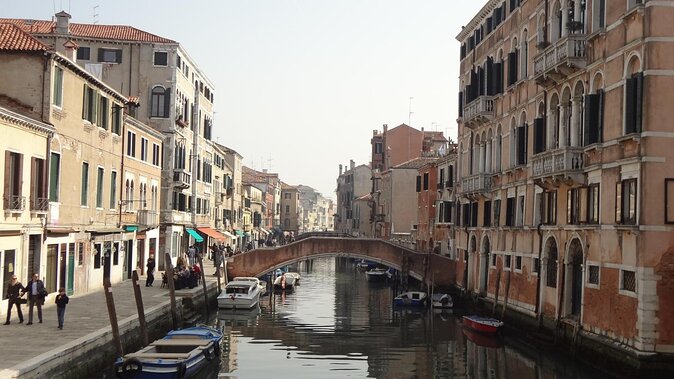
- Cannaregio canals give you a quieter Venice angle than the main tourist routes
- You row, not just ride with time practicing technique and taking turns
- Traditional-boat context connects the canals you see to how people traveled for centuries
Why rowing here beats another gondola line
Venice can trick you. You think every boat experience is basically the same: sit, glide, smile, repeat. This one flips the script. You are not a passenger for most of the time. You are the one learning how to handle the boat, with a tutor who cares about keeping the craft alive.
The payoff is practical and emotional. Practically, you learn how rowing works in this setting: how the oar sets, how you steer, and how you read the canal so you do not feel like you are fighting the water. Emotionally, it is a slower, quieter Venice moment. You float past places where the day does not revolve around tourists, and that calm makes even short stops feel meaningful.
And yes, it is also good value. At $95.54 for about 1 hour 30 minutes, you are paying for instruction plus actual time on the water, not just a brief scenic ride. It tends to land as a more affordable choice than a classic gondola when you are trying to do something that feels less like a ticketed show and more like a skill.
Take an oar yourself: more paddles through the calli
- Real Venetian Kayak – Tour of Venice Canals with a Local Guide★ 4.5 · 518 reviews
- Venice: Guided Canal Kayak Tour at Day, Night, or Sunset★ 4.8 · 465 reviews
- 2 Hour Venice Canal Kayak Tour – Premium experience by day★ 5.0 · 117 reviews
- Learn to Row in the Venice Canals★ 5.0 · 103 reviews
The 1.5-hour format: what you’re really signing up for
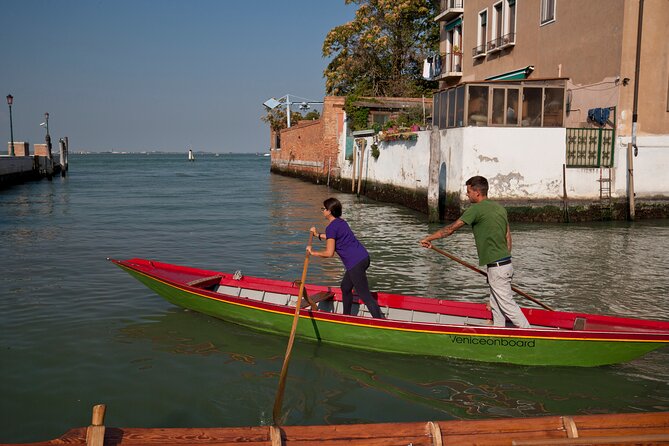
The duration is listed at about 1 hour 30 minutes, and that matters. In Venice, time is slippery. A lesson that is too short can feel like you watched a boat show. This one has enough time to do two key things: get your bearings fast, then spend real minutes rowing through the canals.
You’ll start with a brief introduction. That part is not just trivia. It sets the stage for what you’re seeing, and it explains how traditional Venetian boats relate to canal life today. Then you move into the hands-on portion where the instructor shows you the motion and how to control the boat around bridges and other canal traffic.
It’s also designed so that most travelers can participate. That does not mean it is effortless, but it does mean you are not choosing between this and a full workout class. From the tone of the experiences shared, this is an active but manageable activity that works well for families, including teens.
Where the lesson begins: Cantiere Nautico Navale Casaril
You meet at Cantiere Nautico Navale Casaril S.r.l., 3009/H, C. del Magazzen, 30121 Venezia VE, Italy. The tour ends back at the same spot, which simplifies your planning. No complicated after-activity wandering across islands just to regroup.
It is also described as near public transportation, which is helpful. Venice navigation can be stressful if you are timing multiple stops. This start point being reachable without heroic effort makes a difference, especially if you have kids or you do not want to burn your best energy on getting to the dock.
Since you get a mobile ticket, you can keep everything digital. Still, I recommend checking confirmation details quickly after booking so you know the exact time slot you are using.
The lesson itself: technique, forcola talk, and real canal practice
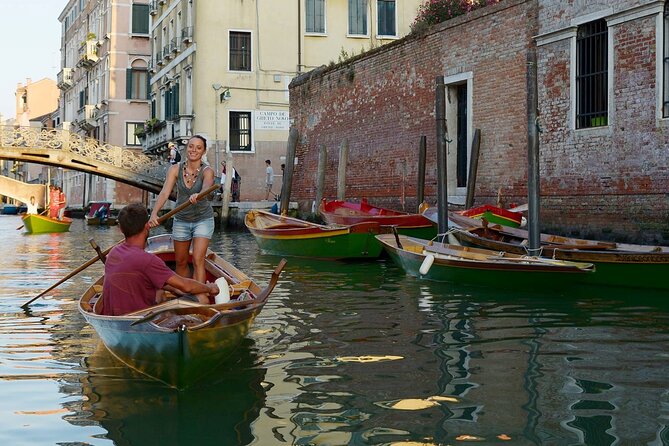
The lesson blends boat history with rowing technique. If you care about how gondoliers actually manage a boat, this is one of the better ways to connect that interest to your own hands.
In the experiences shared, instructors explain practical canal-boat handling, including how gondoliers use tools like the forcola for movement and control. Even if you have zero prior experience, having that context makes your rowing attempt feel smarter, not random.
What you are doing on the water is more complex than it looks from the outside. The boat’s balance, the way you place the oar, and the need to coordinate with other canal users all affect how your strokes land. The best part is that the instructor does not just point you toward a generic motion. They adjust to your pace and help you settle into a rhythm.
And you get the kind of coaching that creates photos. Once you figure out the basics, you are not just holding an oar pose. You are actually doing the rowing, so your pictures look like an activity, not a prop.
Cannaregio by canal: your planned stops and what to watch for
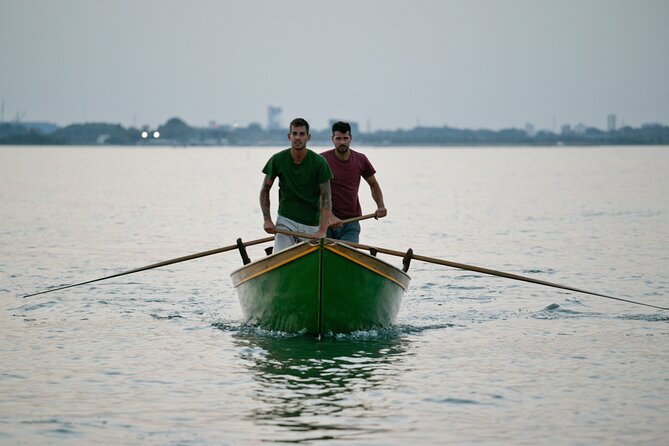
The route is built around some very Venetian names, and the real value is how they frame your view from the water. Rather than rushing from one famous façade to another, you pass through areas that feel lived-in, and your instructor uses those surroundings as teaching moments.
Below are the stops you’ll encounter, and how to think about each one.
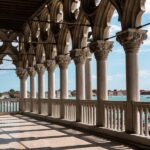
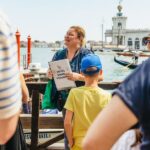

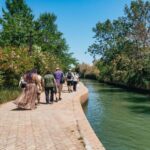

Stop 1: Chiesa della Madonna dell’Orto
You start with the Chiesa della Madonna dell’Orto area, which sets a strong tone early. From the water, a church façade becomes something different: less landmark, more canal neighbor. You also get a chance to settle into your rowing before the route gets busier visually.
If you are a first-timer, this stop is useful because it is not asking you to do advanced steering right away. You can focus on the feel of the boat and the stroke rhythm your guide wants.
Stop 2: Ghetto Ebraico
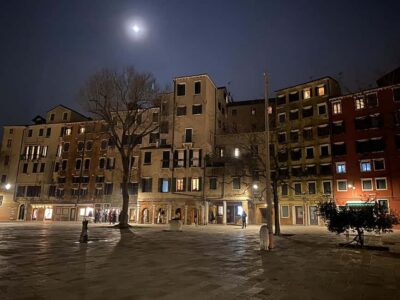
Next comes Ghetto Ebraico. Even if you do not plan a deep museum day, the name alone tells you you’re entering an area tied to Venice’s Jewish community. From the canals, you see how the neighborhood sits along the waterway network, not just as a walking-tour backdrop.
One practical consideration here: because this is a meaningful area, it can attract attention. That does not ruin the experience, but it does make the contrast between quiet canal movement and the significance of the place more noticeable.
Stop 3: Fondamenta Dei Ormesini
Then you head along Fondamenta Dei Ormesini. A fondamenta is the waterfront edge, and that matters because this is where water traffic and everyday canal access make the city feel practical. Think of it as seeing the edge of Venice in motion rather than Venice on display.
This stretch tends to be great for figuring out steering. You’re learning to handle the boat while the canal environment keeps reminding you that Venice is built for waterways, not sidewalks.
Stop 4: Campo dei Mori
Campo dei Mori adds a different flavor. A campo is a square, so from the water you get a top-to-bottom contrast: how open space connects to narrow canals. It is a useful perspective for understanding why Venice feels like a maze. You see how squares exist in the city fabric, but boats still define the easiest movement.
The main drawback you might notice at stops like this is visual temptation. Venice is gorgeous. It’s easy to forget to watch your guide and keep rowing smoothly. If you want the technique to click, treat the scenery like scenery and keep your hands steady.
Stop 5: Casa del Tintoretto
Finally, you reach Casa del Tintoretto. From the canal angle, that name lands in a different way: you’re seeing a creative heritage marker as part of the same water network you’ve been rowing through.
If you’re the type who likes to connect art and geography, this is a satisfying ending. You finish the lesson seeing the water’s relationship to culture and landmarks, not just seeing water as a ride.
Small group energy: why it works for families and first-timers
The tour has a maximum of 6 travelers, which is a huge deal for a lesson. With smaller numbers, your instructor can correct form without the whole group feeling stuck waiting. It also helps that the pace stays calm. The tone in the shared experiences points toward a relaxed, almost family-friendly feel, not a strict classroom vibe.
This is why the experience works across ages. In the feedback, the activity shows up as a favorite for kids, teens, and adults who want something active but not exhausting. Even people who expected a quick try often walk away talking about the skill they gained and the way the craft felt alive through the guide’s passion.
Price and value: what $95.54 buys you in real terms
Let’s translate the price into value. You’re paying for:
- Instruction (not just sitting on a boat)
- Time on the water during the lesson
- A small group that supports hands-on coaching
- A route through quieter canals rather than a one-note tourist loop
When you compare it to a gondola ride, this can feel like the bargain. Gondolas often cost more for less active learning time. Here, you’re not only moving through Venice—you’re learning how to move.
And because it’s priced like a skill activity rather than a luxury spectacle, it’s easier to justify if Venice already includes a few paid must-dos. It also hits that sweet spot: it is memorable without requiring you to book a full half-day tour of museum stops.
Practical stuff before you go: weather and the Venice access fee
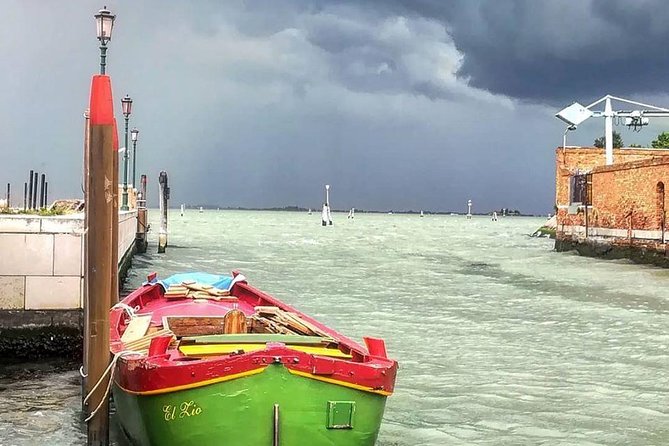
This experience requires good weather. If it gets canceled due to poor conditions, you’ll be offered another date or a full refund. That matters for planning because Venice weather can flip fast. If you can choose dates, aim for a day you’re willing to keep flexible.
There’s also a note about a possible €5 access fee for some visitors who are staying outside Venice and visiting for the day. For exemptions and exact applicable days, you’ll want to check the city guidance at https://cda.ve.it. If you’re taking a day trip, this fee can sneak into your budget, so factor it in early.
Finally, it’s booked online and you can choose English. If you like to plan ahead, it’s commonly booked about 60 days in advance, so the earlier you lock it in, the better your chances at your preferred time.
Should you book this Venice canal rowing lesson?
Book it if you want one of the most hands-on ways to see Venice canals. If gondola lines feel like a chore, this gives you the same Venice-by-water vibe with a lot more personal participation. You’ll also like it if you enjoy learning from a local who connects the waterways to daily life and tradition.
Skip it or consider alternatives if you hate weather-dependent plans. The whole point is being on the water, and that means the schedule can shift.
If you’re traveling with teens or you have at least one person in your group who likes trying new skills, this is a standout choice. You’re not just collecting photos—you’re bringing home a technique and a calmer view of Venice that most first-time visitors miss.
FAQ
FAQ
How long is the Learn to Row in the Venice Canals experience?
It lasts about 1 hour 30 minutes.
Is the tour offered in English?
Yes, the experience is offered in English.
Where do we meet for the tour?
The meeting point is Cantiere Nautico Navale Casaril S.r.l., 3009/H, C. del Magazzen, 30121 Venezia VE, Italy.
How many people are in each group?
The activity has a maximum of 6 travelers.
Is the experience dependent on weather?
Yes. It requires good weather, and if it’s canceled due to poor weather, you’ll be offered a different date or a full refund.
Is there a Venice access fee for day-trippers?
On certain dates, day visitors staying outside of Venice may need to pay a €5 access fee. Exemptions and applicable days are listed at https://cda.ve.it.
What is the cancellation policy?
Free cancellation is available. You can cancel up to 24 hours in advance for a full refund. If you cancel less than 24 hours before the start time, the amount paid is not refunded.
More Tour Reviews in Venice
- Venice: Doge’s Palace Reserved Entry Ticket
★ 4.6 · 42,716 reviews - Venice: Grand Canal Gondola Ride with App Commentary
★ 4.1 · 23,020 reviews - Venice: Grand Canal Gondola Experience with Live Commentary™
★ 4.2 · 16,504 reviews - Boat Trip: Glimpse of Murano, Torcello & Burano Islands
★ 4.3 · 15,699 reviews - Venice: La Fenice Opera House Entry Ticket with Audio Guide
★ 4.6 · 11,742 reviews - Murano & Burano: Boat Tour with Guide & Glass Factory Visit
★ 4.3 · 10,716 reviews
An Oar in Your Hands: More Paddles
- Real Venetian Kayak – Tour of Venice Canals with a Local Guide
★ 4.5 · 518 reviews - Venice: Guided Canal Kayak Tour at Day, Night, or Sunset
★ 4.8 · 465 reviews - 2 Hour Venice Canal Kayak Tour – Premium experience by day
★ 5.0 · 117 reviews - Venice: Sunset Kayak Tour in the Canals
★ 4.9 · 74 reviews - Cultural Kayak Tour: Discovering the City’s Canals
★ 5.0 · 54 reviews - Sunset Kayak Tour in Venice: Discovering the City’s Canals
★ 5.0 · 50 reviews
Fresh Off the Vaporetto: New Venice Reviews

Venetian Kayak & Rowing Tours, compared.
 ★ 4.5Real Venetian Kayak – Tour of Venice Canals with a Local GuideFrom $78518 reviews
 ★ 4.8Guided Canal Kayak Tour at Day, Night, or SunsetFrom $82465 reviews
 ★ 5.02 Hour Venice Canal Kayak Tour – Premium experience by dayFrom $133117 reviews
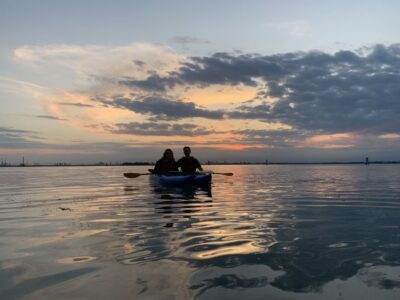 ★ 4.9Sunset Kayak Tour in the CanalsFrom $11274 reviews
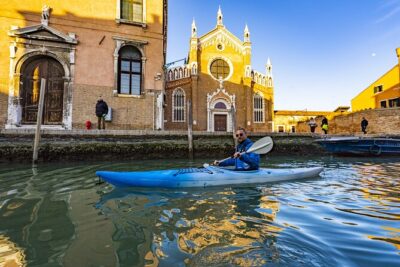 ★ 5.0Cultural Kayak Tour: Discovering the City’s CanalsFrom $8354 reviews
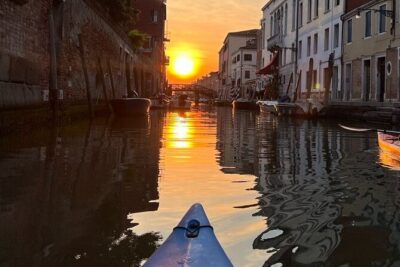 ★ 5.0Sunset Kayak Tour in Venice: Discovering the City’s CanalsFrom $11850 reviews
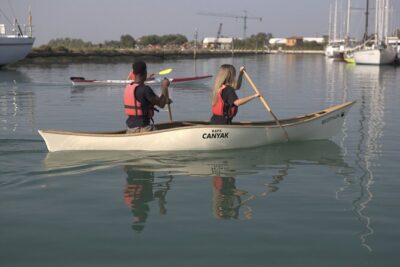 ★ 5.02 Hour Night Kayak Tour in Venice, premium experience with sunsetFrom $16833 reviews
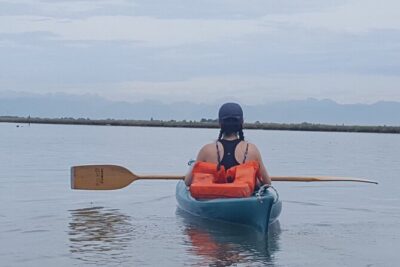 ★ 4.5Private Kayak Tour in the Venetian LagoonFrom $4832 reviews
Browse the lists this tour appears in