
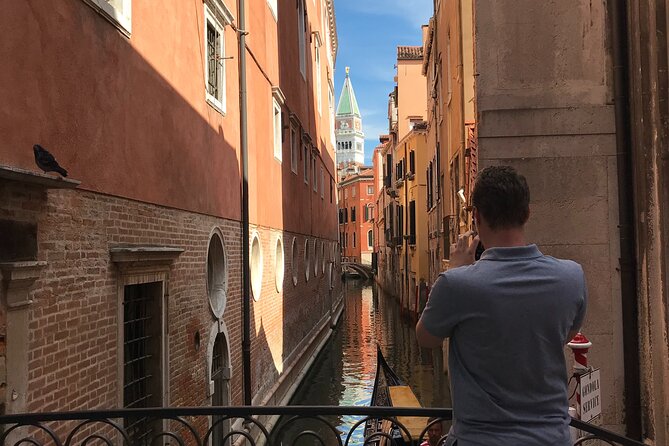
Review · CANNAREGIO & JEWISH GHETTO TOURS
Small-Group Walking Tour of the Jewish Ghetto in Venice
A quiet square can change your view of Venice. This small-group Jewish Ghetto walk (max 12) is a focused way to understand how Cannaregio became the site of the first ghetto in Europe. I like that the guide’s stories connect the places you see—plaques, corners, and street details—to the people who lived under restrictions and carried on daily life anyway.
Two things I’d call out right away: the chance to walk the area’s three ghettos, not just one headline stop, and the stop at Fondamenta Dei Ormesini where you get a feel for local routines off the usual tourist track. The one possible drawback: synagogue interiors are not part of the visit, so if you’re hoping to spend most of your time inside, this won’t be your best fit.
You’ll start with context, walk with purpose, and leave with names, symbols, and a better sense of why the neighborhood looks the way it does today. I found the pace friendly for questions, but the trade-off is that it’s more listening and explanation than a pure sightseeing sprint.
In This Review
- Quick Hits on the Jewish Ghetto Walk
- First Impressions: Why Cannaregio Is the Center of This Story
- Meet at Campo San Geremia: How the Tour Gets Going
- Stop 1 and 2: Two Green Spots That Set Up the Whole Ghetto Story
- Stop 3: Walking Through the Three Ghettos of Venice
- Stop 4: Fondamenta Dei Ormesini for Real Local Rhythm
- Stop 5: Jewish Ghetto Recipes, Biscuits, and an Art Corner
- Pacing and Group Size: Why Max 12 Matters Here
- Price and Value: What You’re Really Paying For at $71.35
- Who This Tour Suits Best (And Who Might Want a Lighter Option)
- Practical Tips Before You Go
- Should You Book This Jewish Ghetto Walking Tour?
- FAQ
- How long is the Small-Group Walking Tour of the Jewish Ghetto in Venice?
- Is the tour wheelchair-friendly or accessible?
- Are synagogue interiors included in the tour?
- What is the group size?
- Will I need to pay an extra Venice access fee?
- Can I get a refund if I cancel?
Quick Hits on the Jewish Ghetto Walk
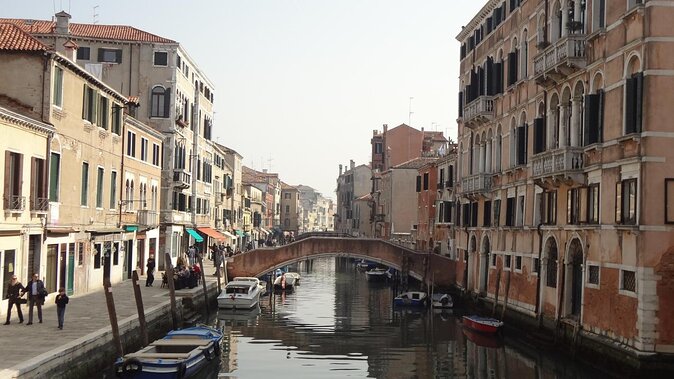
- Small group (up to 12) keeps the conversation going and your questions from getting lost.
- Lucia Bondetti guides with training through the Jewish community and Rabbi connections, and she’s known for sensitive, story-driven pacing.
- Three ghettos in one walk gives you a fuller sense of how the neighborhood evolved over time.
- No synagogue interior stops (but you’ll get details and guidance on visiting them on your own).
- Two ends to remember: you meet at Campo San Geremia and finish along Fondamenta dei Ormesini for a calmer Venice exit.
First Impressions: Why Cannaregio Is the Center of This Story
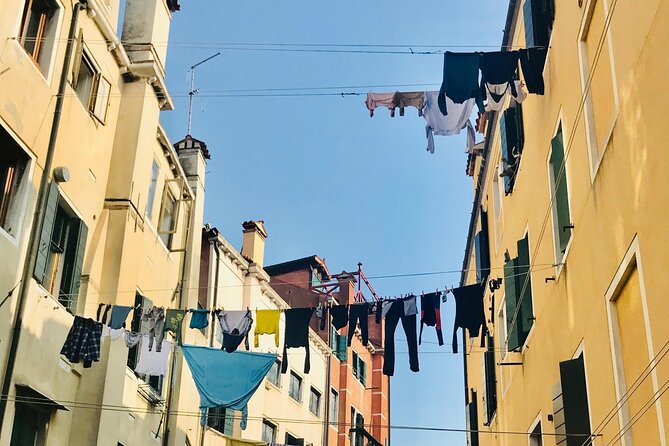
Most first-time Venice walks circle the grand showpieces. This one goes where Venice gets quieter and more human. You spend time in Cannaregio, the part of the city where you can still feel the way neighborhoods live: doorways, small streets, and that in-between feeling of home plus history.
What makes the tour interesting is the framing. Instead of only pointing at old buildings, the guide explains how Venice created the ghetto and what life looked like before that system existed. You’ll also hear about the origin of the word ghetto, the political figure at the time (the Doge), and the kind of symbols people could recognize from that era.
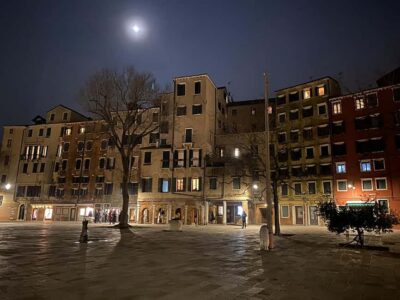
And yes, you’ll see the shift in atmosphere. Walking into the area changes the mood. It’s not spooky—just focused, like the city is asking you to pay attention.
Deeper into Cannaregio and the old Ghetto
- Venice: Guided Tour of the Jewish Ghetto and Synagogue Visit★ 4.4 · 610 reviews
- Venice: Jewish Ghetto Walking Tour with Synagogue Visits★ 4.7 · 379 reviews
- Venice: Cicchetti, Spritz, and Wine Tour in Ghetto Ebraico★ 4.9 · 315 reviews
- Venice: Jewish Ghetto & Cannaregio Area Food Tour: Pasta Wine Gelato and More!★ 4.5 · 274 reviews
Meet at Campo San Geremia: How the Tour Gets Going
You’ll meet at Campo San Geremia (30121 Venezia VE). The start is simple and easy to locate on foot once you’re in the neighborhood. You get a mobile ticket, and the tour runs in English.
A couple practical notes that matter in Venice:
- Wear shoes you trust on uneven stone. This walk works because you can keep moving at a relaxed pace.
- Bring a layer. Even in good weather, the lagoon area can feel cooler.
- If you’re visiting on a day when Venice charges a local entry fee for cruise-day crowds, plan on checking it. The tour info notes that some visitors may need to pay an extra €5 access fee on certain dates (with exemptions). It’s worth looking up before you go.
The guide’s opening context is one of the smartest parts. You get a “why this place” explanation before you start tracing boundaries on the ground.
Stop 1 and 2: Two Green Spots That Set Up the Whole Ghetto Story
The walk begins with a “warm-up” that isn’t just filler. You’ll visit a green area near the edge of the story—one of those small park-like spaces that helps you picture the neighborhood before the ghetto system hardened life into rules.
Then you move to an authentic Venetian campo to set the stage. Here you’ll learn why the Jewish community was placed in Cannaregio, how Venice became the center of the first ghetto system, and how life shifted from open communal living to separation and constraint.
This early portion is valuable because it gives you mental waypoints. Later, when you’re walking through the three ghettos, you’re not just collecting details—you’re understanding the logic of what you’re seeing.
Stop 3: Walking Through the Three Ghettos of Venice
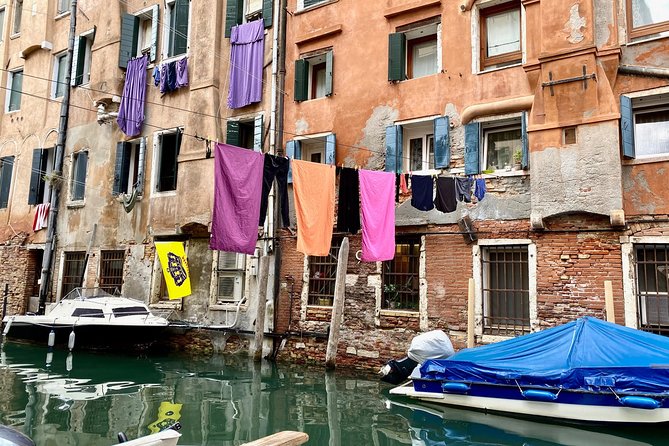
This is the heart of the tour: a relaxing walk through the three ghettos of Venice. The guide links history to street-level details, and that’s what makes it feel real instead of like a lecture in place.
Along this stretch, expect:
- Context on how Venice’s restrictions were built and enforced
- Stories about people who lived there, plus the hardships and endurance that came with them
- Cultural connections, including references the guide ties into the area’s past (you may hear about the famous Merchant in Venice connection in an educational way)
- An expert focus on symbols and markers—details you’d likely miss alone, even if you’re reading plaques slowly
There’s also a practical sightseeing benefit. You’ll learn what to look for and how to interpret it. That means after the tour ends, you can keep exploring with a better “lens,” not just more names.
One more important note: synagogue interiors and museum visits are not included. The guide will still point out meaningful details and explain how you can visit them if you want to add that time later.
Stop 4: Fondamenta Dei Ormesini for Real Local Rhythm
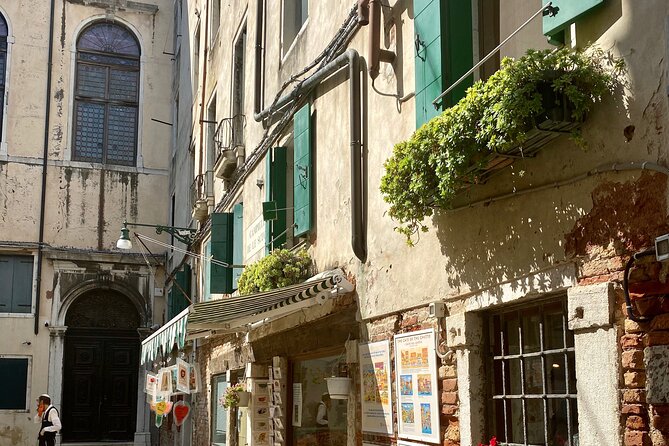
After the heavier historical walking, you shift perspective. The tour ends this section at Fondamenta Dei Ormesini, a waterfront stretch where you see daily Venice life rather than only “history scenery.”
I like this part because it balances the mood. You’re not trapped in the past. You get to watch what the neighborhood feels like now—casual movement, people going about normal routines, and the way Cannaregio looks when it’s just being itself.
This is also a smart timing choice. Ending with a calmer riverside stop makes it easier to keep the experience in your body instead of leaving overstimulated.
On foot over the bridges, more routes

Stop 5: Jewish Ghetto Recipes, Biscuits, and an Art Corner
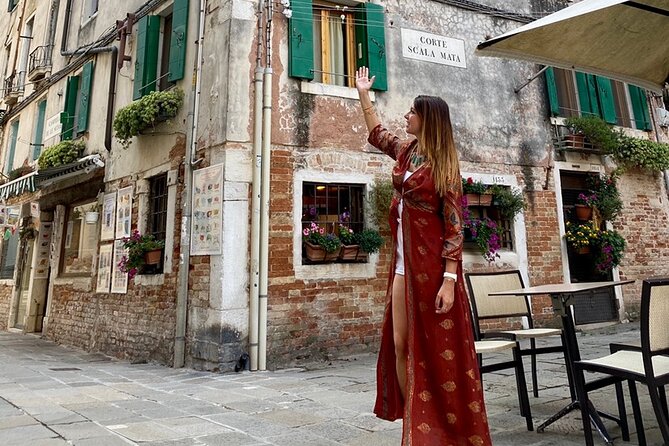
The final stop shifts toward culture you can almost taste. You’ll hear about Venetian recipes connected to the Jewish ghetto, plus the kind of unique biscuits associated with the area. It’s not a full food tour, but it’s a good reminder that culture didn’t stop during difficult times.
The guide also adds an artistic element by pointing out an art gallery connection. Even if you don’t go inside, it gives you another thread to follow later—how creativity and community expression survived alongside restriction.
Pacing and Group Size: Why Max 12 Matters Here
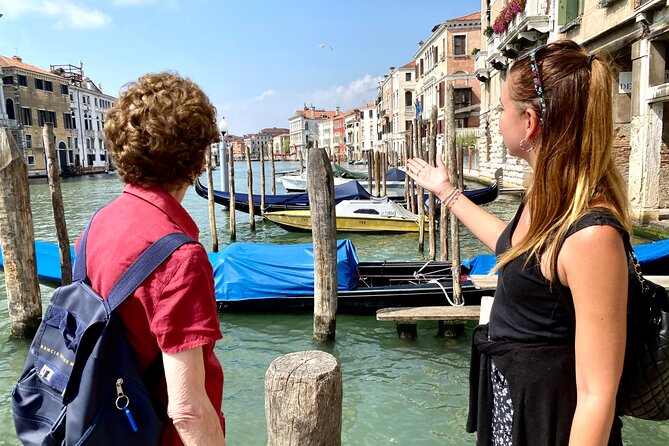
This is designed as a small-group walk for a reason. In a subject like this, you need time for questions, because people will naturally ask about dates, symbols, and how the system worked day to day.
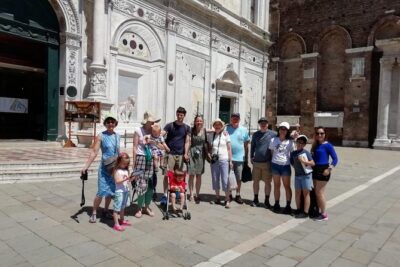
With up to 12 people, the guide can adjust. In the experience you’ll find you’re not just hearing facts—your questions can steer the explanation a bit. That’s a big deal for learning something heavy without feeling rushed.
Still, there’s a trade-off. This tour is explanation-forward. If you want a high-speed “see everything in 2 hours” photo run, you may feel it’s too stop-and-talk. For most visitors, that’s exactly why it works.
Price and Value: What You’re Really Paying For at $71.35

At about $71.35 per person for roughly 2 hours, you’re paying for three things that add real value:
- An expert guide with training connections tied to the Jewish community and Rabbi
- A tightly focused walk that covers the three ghettos with context, not random street wandering
- A small group size that keeps the experience interactive
If you compare to big-city “general walking tours,” this is more expensive per hour. But the subject is specialized, and the guide’s ability to interpret what you’re seeing makes the time count. You’re not just buying movement—you’re buying context.
Also note the tour does not charge entry admissions for the stops listed, and the tour includes a mobile ticket, which helps on a day when Venice is busy.
Who This Tour Suits Best (And Who Might Want a Lighter Option)
This walk is a strong match if you want:
- A historical explanation that connects to real streets and markers
- A respectful, story-driven guide
- A quieter neighborhood experience that feels more local than touristy
It’s especially good for families with older kids and teens who can handle discussion. One of the reviews even highlighted how a younger family member stayed engaged.
Who might struggle with it? If you’re hoping for mostly sightseeing with minimal explanation, you may find the pacing lecture-heavy. This is history on foot, not just a scenic stroll.
Practical Tips Before You Go
A few small moves can make this tour smoother:
- Use the start location to get your bearings fast. Campo San Geremia is your anchor point.
- Expect uneven surfaces. Venice doesn’t do perfectly level sidewalks.
- Bring curiosity. The guide covers symbols and details that reward paying attention.
- If you want synagogue interiors, plan that as an add-on. The tour itself focuses on the walk and explanation.
Also, if you’re doing the Jewish Ghetto as part of a longer Venice day, consider booking this earlier. Once you understand what the ghetto system did to shape the neighborhood, the rest of the city clicks differently.
Should You Book This Jewish Ghetto Walking Tour?
I’d book it if you want your Venice history to be specific and grounded in place. The combination of a small group, a guide with deep local connections, and a walk through all three ghettos makes it far more useful than a quick “check the site” stop.
Skip it only if your main goal is synagogue interior time or you prefer nonstop walking with fewer stops. If that’s you, you can still visit the area on your own—but this is the kind of guided walk that turns the neighborhood into something you understand, not just something you pass.
If you decide to go, do it with a simple mindset: slow down a bit, ask questions, and let the streets teach you the story.
FAQ
How long is the Small-Group Walking Tour of the Jewish Ghetto in Venice?
It runs about 2 hours.
Is the tour wheelchair-friendly or accessible?
The provided info says most travelers can participate, but it does not list specific accessibility details.
Are synagogue interiors included in the tour?
No. Interior visits to synagogues and a museum inside are not included. The guide provides details and explains how to visit them.
What is the group size?
This tour has a maximum of 12 travelers.
Will I need to pay an extra Venice access fee?
On some dates, visitors may need to pay a €5 access fee. The tour info points to the official Venice page for which days and any exemptions.
Can I get a refund if I cancel?
Yes. You can cancel for a full refund up to 24 hours before the experience start time. If canceled due to poor weather, you’ll be offered a different date or a full refund.
More Tour Reviews in Venice
- Venice: Doge’s Palace Reserved Entry Ticket
★ 4.6 · 42,716 reviews - Venice: Grand Canal Gondola Ride with App Commentary
★ 4.1 · 23,020 reviews - Venice: Grand Canal Gondola Experience with Live Commentary™
★ 4.2 · 16,504 reviews - Boat Trip: Glimpse of Murano, Torcello & Burano Islands
★ 4.3 · 15,699 reviews - Venice: La Fenice Opera House Entry Ticket with Audio Guide
★ 4.6 · 11,742 reviews - Murano & Burano: Boat Tour with Guide & Glass Factory Visit
★ 4.3 · 10,716 reviews
Venice on Foot, Continued
- Venice: Doge’s Palace and St Mark’s Basilica Walking Tour
★ 4.4 · 6,291 reviews - Venice: San Marco to Rialto Walk & Spritz Like a Local
★ 4.2 · 3,651 reviews - Venice Walking Tour and Gondola Ride
★ 3.5 · 3,630 reviews - Private 3 hrs Venice Tour: St Mark’s, Walking tour & Boat tour
★ 4.0 · 3,372 reviews - Venice: City Center Historical Guided Walking Tour
★ 4.2 · 1,873 reviews - Venice: Walking Guided Tour of the City Must-See Sites
★ 4.7 · 1,095 reviews
Through Cannaregio and the Ghetto
- Venice: Guided Tour of the Jewish Ghetto and Synagogue Visit
★ 4.4 · 610 reviews - Venice: Jewish Ghetto Walking Tour with Synagogue Visits
★ 4.7 · 379 reviews - Venice: Cicchetti, Spritz, and Wine Tour in Ghetto Ebraico
★ 4.9 · 315 reviews - Venice: Jewish Ghetto & Cannaregio Area Food Tour: Pasta Wine Gelato and More!
★ 4.5 · 274 reviews - Venice: Jewish Ghetto Walking Tour with Synagogues Visit
★ 4.5 · 129 reviews - Venice: Jewish Ghetto and Cannaregio Food and Wine Tour
★ 4.8 · 89 reviews
Fresh Off the Vaporetto: New Venice Reviews
Cannaregio & Jewish Ghetto Tours, compared.
 ★ 4.4Guided Tour of the Jewish Ghetto and Synagogue VisitFrom $22610 reviews
 ★ 4.7Jewish Ghetto Walking Tour with Synagogue VisitsFrom $105379 reviews
 ★ 4.9Cicchetti, Spritz, and Wine Tour in Ghetto EbraicoFrom $62315 reviews
 ★ 4.5Jewish Ghetto & Cannaregio Area Food Tour: Pasta Wine Gelato and More!From $143274 reviews
 ★ 4.5Jewish Ghetto Walking Tour with Synagogues VisitFrom $88129 reviews
 ★ 4.8Jewish Ghetto and Cannaregio Food and Wine TourFrom $13489 reviews
 ★ 5.0Guided Tour of Synagogues and Ghetto AreaFrom $5862 reviews
 ★ 3.7Jewish Ghetto and Synagogue Ticket with Audio GuideFrom $1654 reviews
Browse the lists this tour appears in