
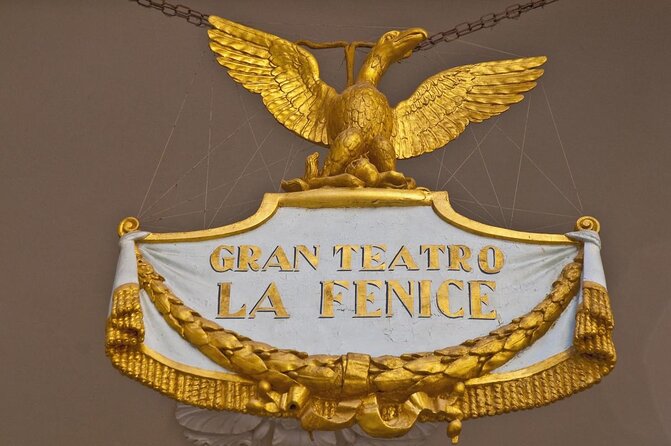
Review · VIVALDI CONCERTS & VENETIAN OPERA
Teatro La Fenice Tour in Venice
Venice has a way of keeping secrets in plain sight. Teatro La Fenice turns one of the world’s great music rooms into a story you can walk through, from its Baroque décor to its phoenix-like restorations. I like that the tour is short and focused, and you get a real guided pass through the parts most people miss when they only snap photos outside. Teatro La Fenice is also one of those places where the building itself explains the drama.
Two things I’d put at the top: I love the emphasis on what happened in the theater’s life—especially the two fires and the painstaking rebuilding—and I love seeing the Royal Box and interior details that make this place feel both elite and oddly human. One consideration: the experience is weather-friendly but schedule-sensitive, and a few past visitors reported closures/no-shows or language mix-ups, so I’d double-check your departure day and your meeting point before you rely on the tour.
In This Review
- Quick hits before you go
- Campo San Luca Rendezvous: Finding the Meeting Point Without Stress
- Inside La Fenice: What You’ll See in About an Hour
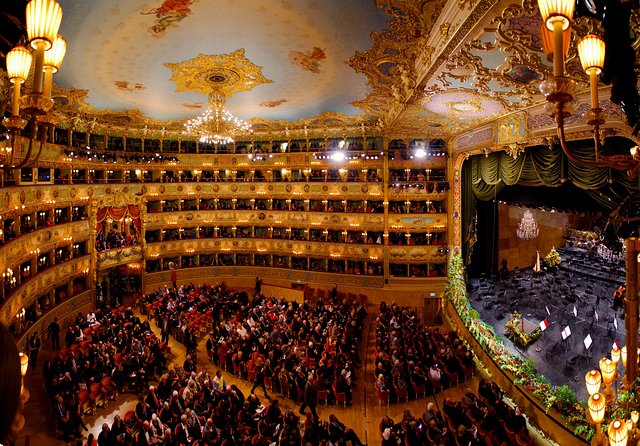
- The Auditorium and Royal Box Story You Can Actually Picture
- The Phoenix Factor: Fires, Rebuilding, and the Meaning of La Fenice
- Famous Music Seasons and How the Theater Earns Its Reputation
- Guides, Group Mix, and Pacing: How to Get the Most Out of 45 Minutes
- Is It Good Value at Around $30? Here’s What You’re Really Paying For
- Who Should Book This Tour (and Who Might Skip It)
- Should You Book the Teatro La Fenice Tour?
- FAQ
- How long is the Teatro La Fenice tour?
- Is the tour offered in English?
- Where do we meet for the tour?
- Is the admission ticket included?
- How big are the groups?
- What’s included and what’s not?
Quick hits before you go
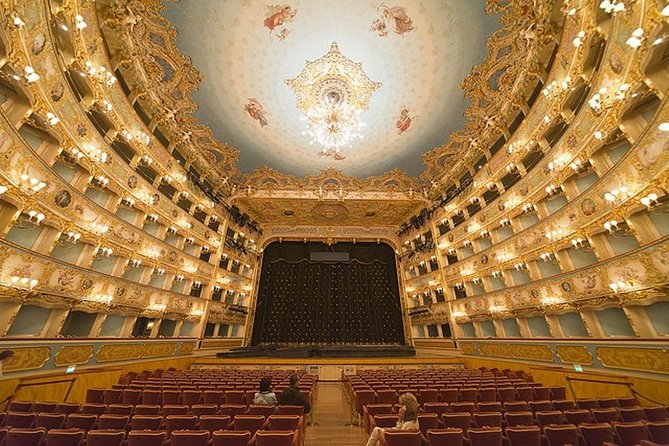
- Campo San Luca meeting point keeps you close to the action and makes the walk to the theater easy to manage
- English-guided with ticket included means you’re not hunting for entry info once you arrive
- Auditorium + Royal Box access helps you picture how audiences actually sat and watched
- The two-fire, phoenix-restoration story gives the building real meaning, not just decoration
- Small group (up to 20) makes it easier to hear questions during a 45–60 minute visit
- No backstage focus; you’re there for the public rooms and architectural moments
Campo San Luca Rendezvous: Finding the Meeting Point Without Stress
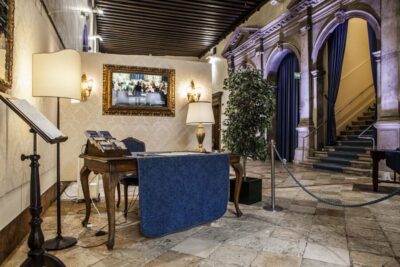
The tour starts at Bucintoro Viaggi, a travel agency in Campo San Luca, one of Venice’s more central squares. The plan is simple: you meet, you do a short walk to the theater, and then you’re inside for the main talk.
Campo San Luca is convenient because it’s not tucked in a maze of tiny lanes. Still, Venice can play tricks on your sense of direction, so treat the first 10 minutes like you’re late—arrive early enough to calm down. This is especially important because several practical issues show up in feedback: trouble swapping vouchers for tickets, guides being hard to reach, or the rare day when the theater isn’t operating as expected.
If you’re starting from nearby St. Mark’s, or you’re pairing this with other midday sights, plan a cushion. The tour is short, and you don’t want to spend it looking at your phone and trying to find Bucintoro Viaggi.
Another night of Vivaldi and candle-lit strings
- Venice: Interpreti Veneziani Concert at Church of San Vidal★ 4.8 · 3,256 reviews
- Venice: Vivaldi’s Four Seasons Live Classical Music Concert★ 4.6 · 2,524 reviews
- Venice: Vivaldi’s Four Seasons Concert & Music Museum Visit★ 4.8 · 2,065 reviews
- Venice: Vivaldi Four Seasons Concert at Vivaldi Church★ 4.8 · 1,864 reviews
Inside La Fenice: What You’ll See in About an Hour
Once you’re inside, the experience moves at a pace designed for a quick but memorable mental “picture.” Your guide typically begins with context before leading you through the main interior spaces.
Here’s what you should expect to take in:
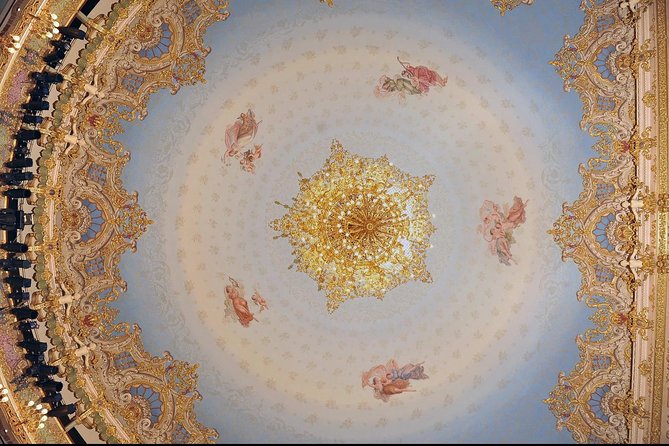
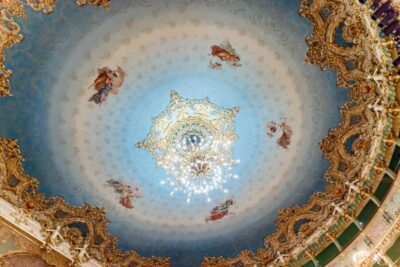
- Lavish Baroque décor that makes it feel like the theater is still dressed for opening night
- The sense of scale—auditorium architecture, how rooms connect, and how the theater is arranged for viewing
- The story of famous productions associated with La Fenice, including major operas like Verdi’s La Traviata
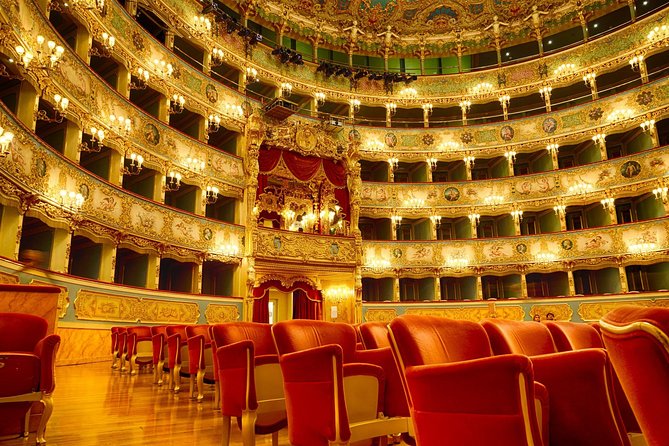
- A guided look at the royal seating areas, where the design is about status as much as acoustics
The tour length is listed at about 45 minutes for the guided portion (some scheduling info frames it as roughly an hour). Either way, it’s not a half-day production. Think “guided orientation that becomes a personal wow moment,” not a deep research lecture.
And yes: you’ll be able to admire the interiors. People often describe the theater as breathtaking in person, and the best guides help you notice details you’d otherwise miss—ornament, sightlines, and why the building was built to impress.
The Auditorium and Royal Box Story You Can Actually Picture
La Fenice’s interior is all about theater-as-audience. This tour leans into that idea by taking you into the spaces where spectators matter as much as the performers.
One standout part is the focus on the Royal Box, a highlight because it’s not just pretty—it’s a statement. In past experiences, guides have shared connections tied to famous historical figures (including a note about Napoleon and the Royal Box). Whether or not you care about the big-name history, the key is how the guide uses it to explain the design choices: who belonged where, and why.
You’ll also learn how to read the room:
- what the architecture was designed to do for patrons
- how the décor signals wealth and power
- how the theater’s prestige shaped Venice’s cultural elite
A practical note from real-world experience: some tours don’t fully replicate the level of access people imagine. For example, you might not get a full backstage sweep. You may get into the auditorium areas and the Royal Box, and sometimes access to seating sections is limited depending on day and operations. The good news is that you still walk away with a strong sense of the space.
The Phoenix Factor: Fires, Rebuilding, and the Meaning of La Fenice
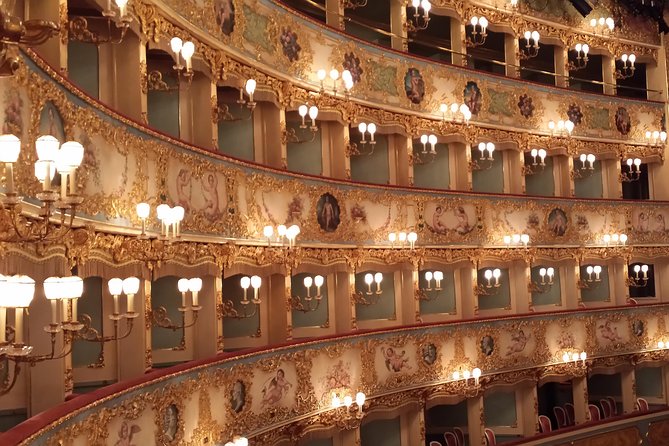
If you only care about aesthetics, La Fenice still delivers. But the tour becomes a lot more meaningful because it tells you why the theater feels almost mythic.
La Fenice was originally built in the late 1700s and became a gathering place for Venice’s cultural elite. Then it burned—twice—and each time, it returned through restoration. The name La Fenice literally means phoenix in Italian, and the guide ties that name to the very practical reality of rebuilding after disaster.
This is where the tour earns its time. You start noticing the décor differently when you understand:
- the building didn’t survive unchanged
- the restoration work was painstaking enough to bring the theater back to its former splendor
- the theater’s identity survived the loss
Some guides also emphasize the scale of the rebuilding effort, including the mention of multimillion-dollar restoration. Even if you don’t remember the number later, you’ll feel the seriousness of it when you see the spaces that were recreated.
Famous Music Seasons and How the Theater Earns Its Reputation
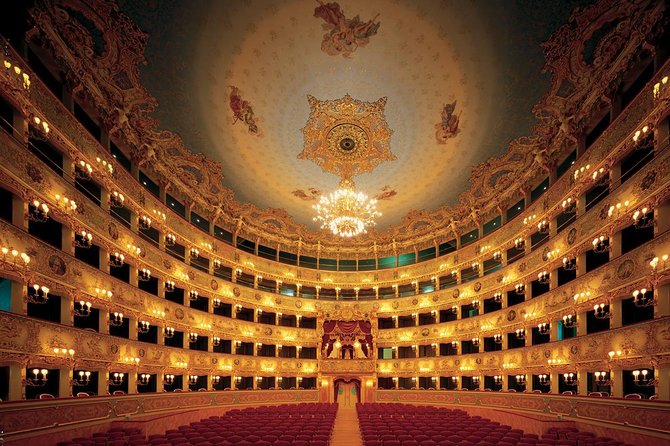
You’ll hear that La Fenice isn’t just a pretty room. It’s a working opera house with an active schedule and a wide repertoire.
Expect your guide to connect the building to the artistic output, including:
- a major symphonic season
- opera programming (with examples like Verdi’s La Traviata)
- cycles of symphonies by composers such as Beethoven, Schumann, Brahms, and Mahler
- contemporary programming tied to Venetian artists like Nono and Maderna
- ballets and chamber music concerts
This matters because it changes how you experience the interior. A theater visit can turn into “look at the ceiling.” Here, the guide helps you treat the décor like it belongs to a functioning tradition—music season by season, not just a single snapshot.
If you love classical music, this gives you extra payoff. If you don’t, it still helps you understand why La Fenice is treated like a landmark rather than a museum piece.


Guides, Group Mix, and Pacing: How to Get the Most Out of 45 Minutes
The quality of the tour experience tends to track with the guide. And the good news: there’s plenty of evidence that the guides can be great—clear English, strong explanations, friendly energy, and answers that go beyond stock facts.
In particular, multiple guide names show up in feedback, including Nikko, Wanda, Nicole, and Vanda. Not every group gets the same style, but these names are a good signal that the operator sometimes assigns people who genuinely enjoy teaching the theater story.
Still, there are two pacing issues to watch for:
- Some groups have been mixed by language (English and Italian speakers together), which can lead to repeated explanations. If you’re an English-only listener, just know this can happen.
- Because the tour is short, you may need to ask questions at the start or early in the visit. If the group runs tight, the guide may not linger.
My practical suggestion: go in with a couple questions ready—about the two fires, the Royal Box, or how the restoration changed the building. Then you’ll get the most from your time, even if the pace feels efficient.
Is It Good Value at Around $30? Here’s What You’re Really Paying For
At about $30.04 per person, this tour sits in the “worth it if you want the story” zone.
You’re paying for:
- a local guide (the big value driver)
- access to key interior spaces for a guided visit
- the included admission ticket for the time slot
If you’re the kind of traveler who can wander museums with an audio app and be fine, you might feel this is more than you need. But for a theater like La Fenice, the guided component is the difference between seeing decoration and understanding why the place carries emotional weight.
Also, because the tour is capped at 20 travelers, you’re less likely to feel swallowed by a giant group. That tends to matter in places where the rooms aren’t huge and the guide needs you close to hear well.
My bottom-line take: this is good value if you want a guided explanation in English and you care about how culture and architecture connect. If you just want a quick look, you may find you prefer a self-guided approach—but you won’t get the phoenix story packaged neatly for you.
Who Should Book This Tour (and Who Might Skip It)
Book it if:
- you want an English guided look inside a major Venice landmark
- you like architecture stories tied to real historical events
- you’re short on time but want a standout “wow” interior experience
You might skip it if:
- you’re allergic to guided tours with tight timing
- you expect backstage access (this tour focuses on public/selected interior areas, not a behind-the-scenes route)
- you’re going on a day when the theater might be closed or operating differently (rare, but it has been reported)
If you’re visiting with kids or non-opera fans, it can still work. The core theme is the building’s survival and the way the theater space was designed for people watching each other as much as performers singing.
Should You Book the Teatro La Fenice Tour?
Yes—with two smart caveats.
First, go ahead and book if you’re using Venice time like a pro and you want an inside look with a guide who can explain why La Fenice matters. At the price point, the guide + entry + short itinerary is a practical deal.
Second, before you leave your hotel, do one quick check: confirm you know the exact meeting location in Campo San Luca and be ready a little earlier than you think you need. Short tours don’t forgive delays.
If you want, tell me what day and time you’re considering in Venice, and whether you’re pairing it with other sights. I can suggest a tight midday plan around La Fenice.
FAQ
How long is the Teatro La Fenice tour?
It runs for about 1 hour total, with the guided portion listed at around 45 minutes.
Is the tour offered in English?
Yes, it is offered in English.
Where do we meet for the tour?
You meet at Bucintoro Viaggi travel agency in Campo San Luca.
Is the admission ticket included?
Yes. Admission to the theater is included in the tour.
How big are the groups?
The tour has a maximum group size of 20 travelers.
What’s included and what’s not?
Included: a local guide and the admission ticket. Not included: gratuity (optional) and hotel pickup/drop-off.
More Tours in Venice
- Murano & Burano: Boat Tour with Guide & Glass Factory Visit
★ 4.3 · 10,716 reviews - Doge’s Palace & St. Mark’s Basilica with Terrace Access Tour
★ 4.7 · 10,697 reviews - Venice: Burano, Torcello & Murano Boat Tour w/Glassblowing
★ 4.4 · 10,245 reviews - Murano, Burano and Torcello Half-Day Sightseeing Tour
★ 3.5 · 7,928 reviews - Murano & Burano Islands Guided Small-Group Tour by Private Boat
★ 4.5 · 7,580 reviews - Venice: Doge’s Palace and St Mark’s Basilica Walking Tour
★ 4.4 · 6,291 reviews
More Tour Reviews in Venice
- Venice: Doge’s Palace Reserved Entry Ticket
★ 4.6 · 42,716 reviews - Venice: Grand Canal Gondola Ride with App Commentary
★ 4.1 · 23,020 reviews - Venice: Grand Canal Gondola Experience with Live Commentary™
★ 4.2 · 16,504 reviews - Boat Trip: Glimpse of Murano, Torcello & Burano Islands
★ 4.3 · 15,699 reviews - Venice: La Fenice Opera House Entry Ticket with Audio Guide
★ 4.6 · 11,742 reviews - Murano & Burano: Boat Tour with Guide & Glass Factory Visit
★ 4.3 · 10,716 reviews
Vivaldi by Candlelight, and More
- Venice: La Fenice Opera House Entry Ticket with Audio Guide
★ 4.6 · 11,742 reviews - Venice: Interpreti Veneziani Concert at Church of San Vidal
★ 4.8 · 3,256 reviews - Venice: Vivaldi’s Four Seasons Live Classical Music Concert
★ 4.6 · 2,524 reviews - Venice: Vivaldi’s Four Seasons Concert & Music Museum Visit
★ 4.8 · 2,065 reviews - Venice: Vivaldi Four Seasons Concert at Vivaldi Church
★ 4.8 · 1,864 reviews - Venice: The Three Tenors Concert Ticket
★ 4.8 · 1,183 reviews
Fresh Off the Vaporetto: New Venice Reviews
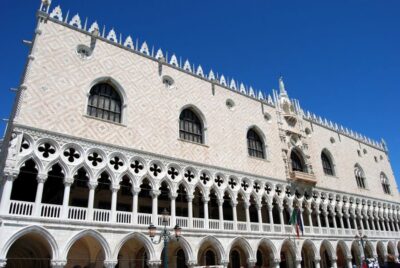
Vivaldi Concerts & Venetian Opera, compared.
 ★ 4.6La Fenice Opera House Entry Ticket with Audio GuideFrom $1411,742 reviews
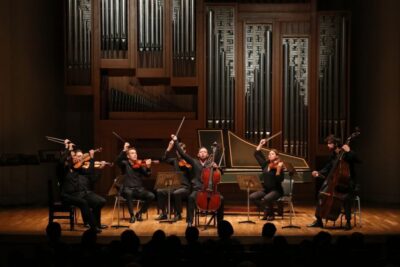 ★ 4.8Interpreti Veneziani Concert at Church of San VidalFrom $373,256 reviews
 ★ 4.6Vivaldi’s Four Seasons Live Classical Music ConcertFrom $412,524 reviews
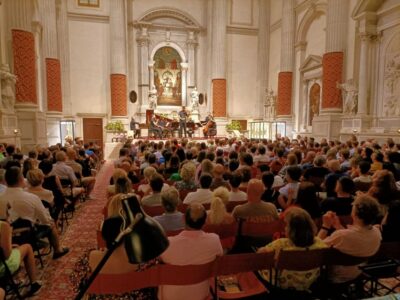 ★ 4.8Vivaldi’s Four Seasons Concert & Music Museum VisitFrom $462,065 reviews
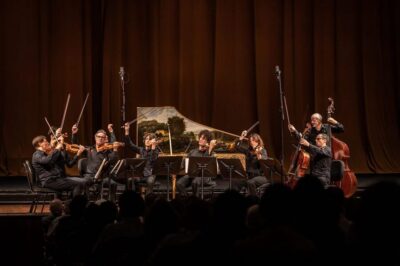 ★ 4.8Vivaldi Four Seasons Concert at Vivaldi ChurchFrom $421,864 reviews
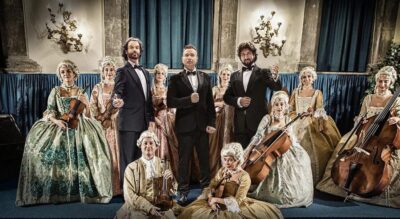 ★ 4.8The Three Tenors Concert TicketFrom $391,183 reviews
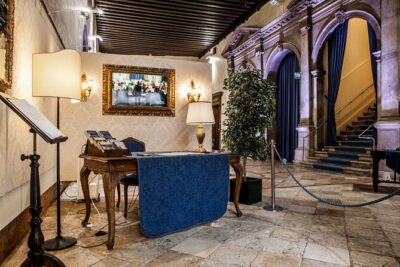 ★ 4.5I Musici Veneziani Concert: Vivaldi Four SeasonsFrom $42945 reviews
 ★ 4.5Musica a Palazzo ‘Traveling Opera’ Performance in VeniceFrom $117722 reviews
Browse the lists this tour appears in