
Review · VIVALDI CONCERTS & VENETIAN OPERA
Venice: Vivaldi’s Four Seasons Concert & Music Museum Visit
A violin story starts before the concert. I love the way the day pairs Venice’s Music Museum with a live Vivaldi Four Seasons performance in church acoustics, so the music lands with extra meaning. The second big win for me is the focus on craftsmanship, from how instruments were built to how they still sing centuries later.
There is one practical catch: seating isn’t assigned, and some chairs can be a bit uncomfortable, so you’ll want to arrive early if you care about where you sit.
You’re looking at a tight, one-day program in Venice: explore the instruments in the museum first, then head to the concert at San Vidal Church (with the evening experience tied to the San Maurizio church setting).
In This Review
- Key things to know before you go
- How the Music Museum Turns the Concert Into a Lesson
- Museo della Musica di Venezia: 200 Instruments and the Craft Behind the Notes
- San Vidal Church: Where Vivaldi Sounds Different on Purpose
- What You’ll Hear in the Four Seasons (and Why It Hits Harder)
- Seat and Sound: Practical Tips That Make This Feel Easy
- Museum Rules and Concert Rules: Small Stuff That Changes the Vibe
- How to Work This Day into Your Venice Plans
- Add-On Sights: San Vidal and San Maurizio Around the Music
- Price and Value: Is $46 a Good Deal Here?
- The Right Fit: Who Should Book This?
- Should You Book This Vivaldi + Music Museum Day?
- FAQ
- Where is the concert held?
- Where is the music museum located?
- Does the ticket include museum access?
- What are the museum opening hours?
- Is photography allowed during the concert?
- Is audio recording permitted?
- Can I bring food, drinks, or large bags?
- Are pets allowed?
- Are seats assigned for the concert?
- Is the experience refundable?
Key things to know before you go
- 200 original instruments (1600–1900) to see what musicians actually played back then
- Learn how violins are made and why they hold up for centuries
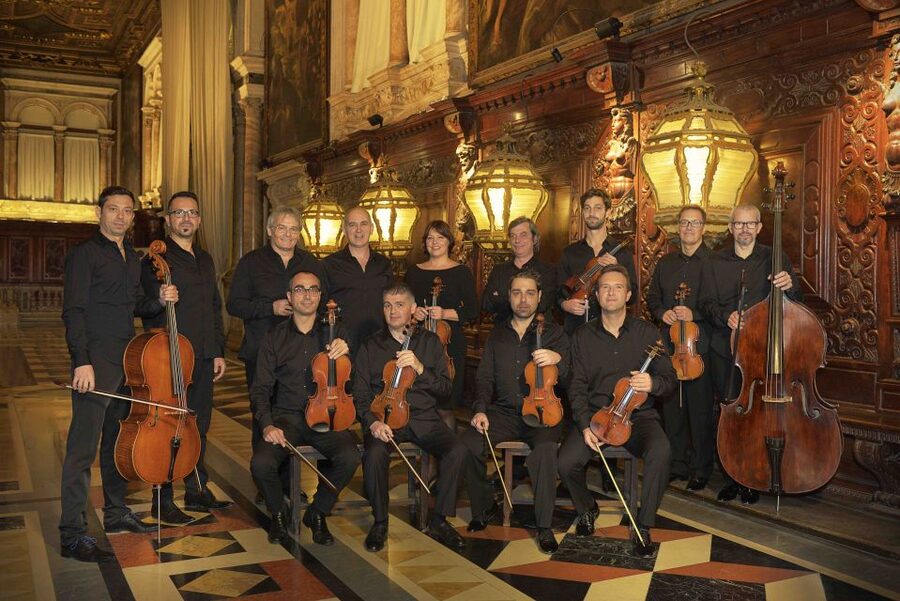
- Interpreti Veneziani, a Venice-based baroque orchestra (35 years old) known for a very Venetian feel
- San Vidal’s acoustics, built for hearing strings clearly in a live setting
- No flash photography or audio recording, which keeps phones out of the picture
- Arrive early for better sightlines, since seats are first-come during the concert
How the Music Museum Turns the Concert Into a Lesson
This is one of those Venice days that makes you pay attention in the right way. Before you ever hear Vivaldi live, you get the “why” behind the sound. You’re not just attending a concert; you’re seeing the tools musicians used, across a span from roughly 1600 to 1900.
The museum is also a good pacing trick. Venice can be sensory overload—canals, crowds, church after church. Here, you slow down and focus on details. Instruments on display are the bridge between theory and music: you’ll hear the same kind of shapes, materials, and ideas that shaped performance for centuries.
Another night of Vivaldi and candle-lit strings
- Venice: Interpreti Veneziani Concert at Church of San Vidal★ 4.8 · 3,256 reviews
- Venice: Vivaldi’s Four Seasons Live Classical Music Concert★ 4.6 · 2,524 reviews
- Venice: Vivaldi’s Four Seasons Concert & Music Museum Visit★ 4.8 · 2,065 reviews
- Venice: Vivaldi Four Seasons Concert at Vivaldi Church★ 4.8 · 1,864 reviews
Museo della Musica di Venezia: 200 Instruments and the Craft Behind the Notes
Your ticket includes free museum entry on the same day as your concert, which is a nice value move. You get time to walk through the exhibits at your own speed, then return later for the live program.
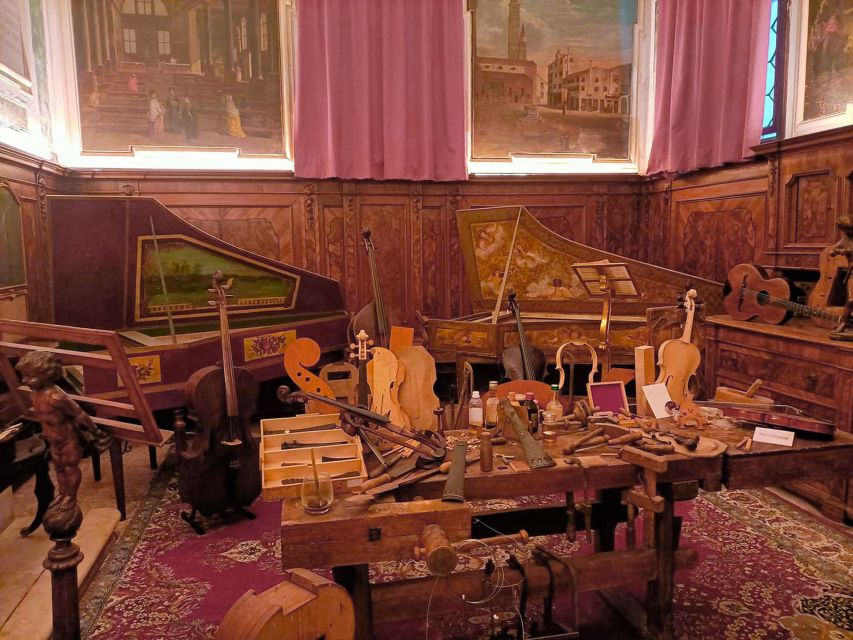
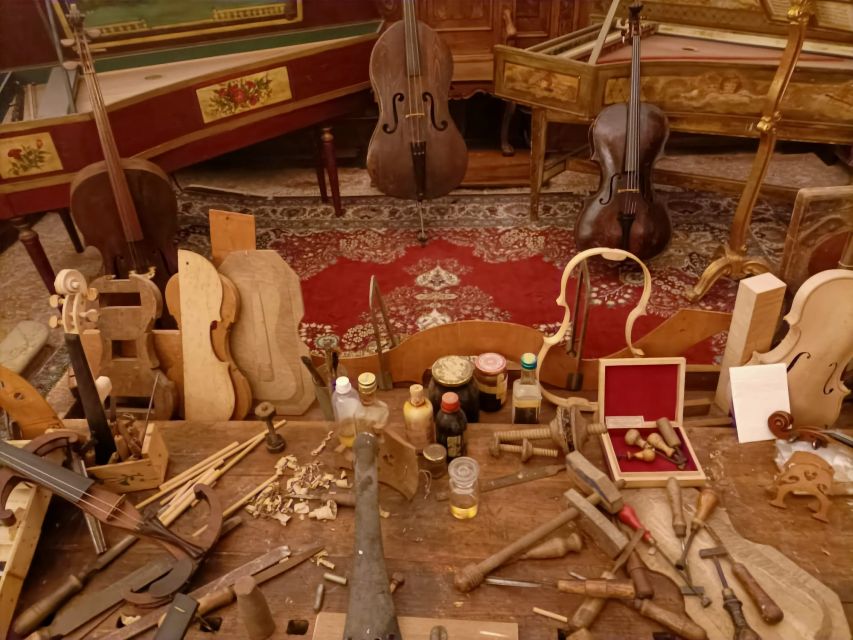
Inside, the museum centers on original instruments—about 200—made from 1600 to 1900. That range matters. It helps you understand that “classical music” wasn’t played on one magical standardized instrument. It was played on real objects with real maker choices, which shapes tone, response, and even how musicians phrase notes.
You’ll also see named traditions and makers. The display includes the Stradivari School of Cremona, with references to instruments associated with Bergonzi and Amati, including doublebasses. There are also Venetian connections—like instruments linked to Matteo Goffriller (a violin maker tied to the Vivaldi story). Seeing those names in a museum context makes Vivaldi feel less like a textbook topic and more like something anchored in local craft.
One of the standout themes here is how a violin is created—and why it still plays after all this time. That idea is easy to agree with in theory, but the museum format makes it concrete. You’re forced to think about materials, construction, and the careful work required to make an instrument respond for generations.
San Vidal Church: Where Vivaldi Sounds Different on Purpose
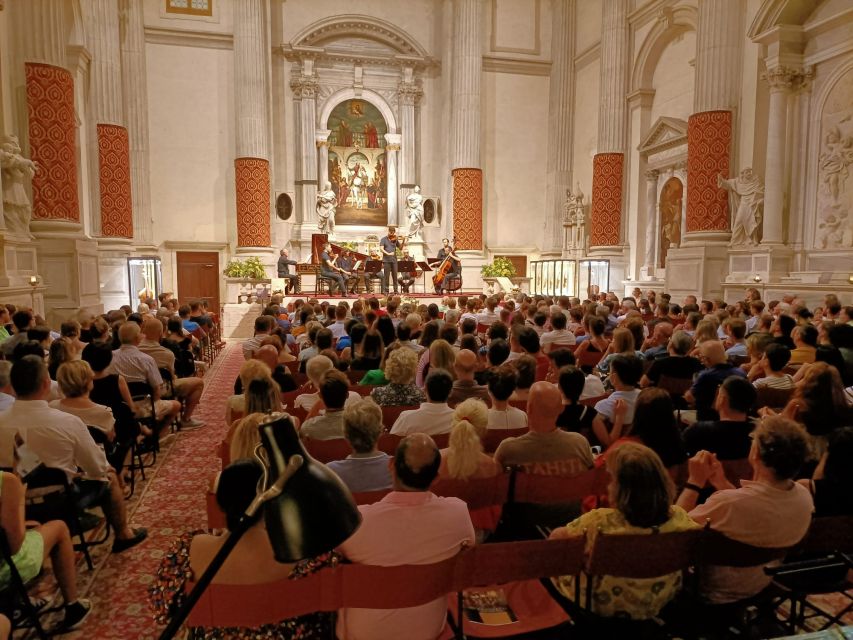
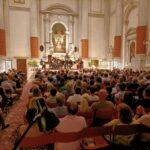
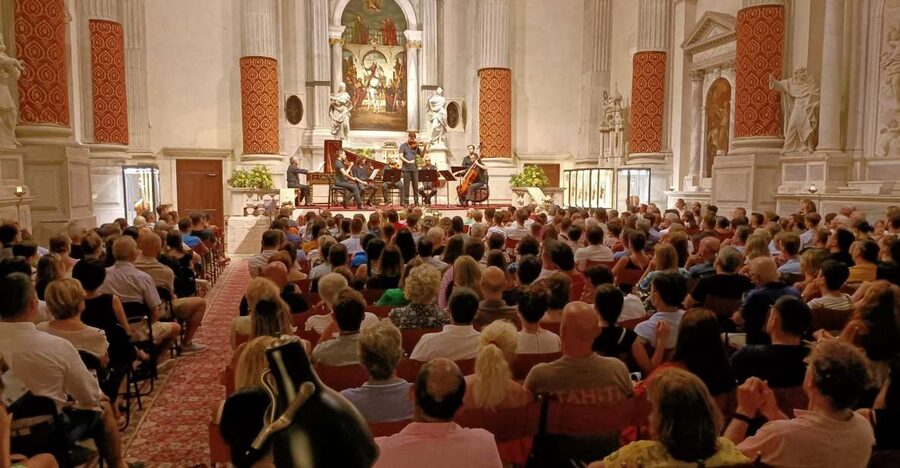
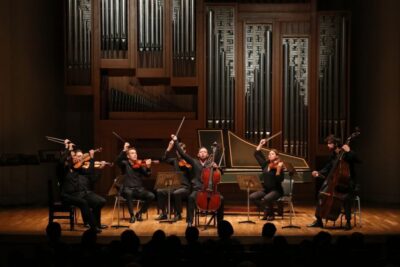
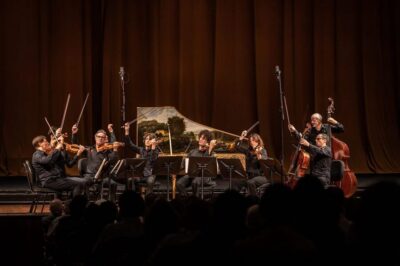
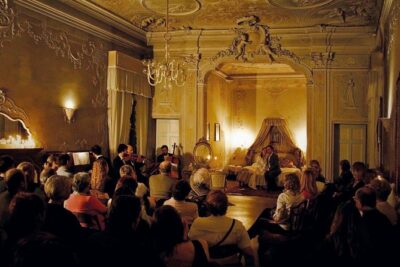
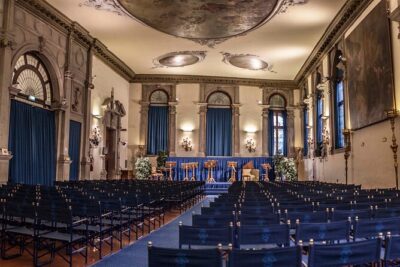
After the museum, you head to the concert setting at San Vidal Church, in the orbit of the San Maurizio church area. Even if you’ve heard Vivaldi a dozen times, the church setting changes your experience quickly. In a room like this, strings don’t just play—they project. You hear bow noise, breathing space between phrases, and that crisp edge that baroque interpretation leans into.
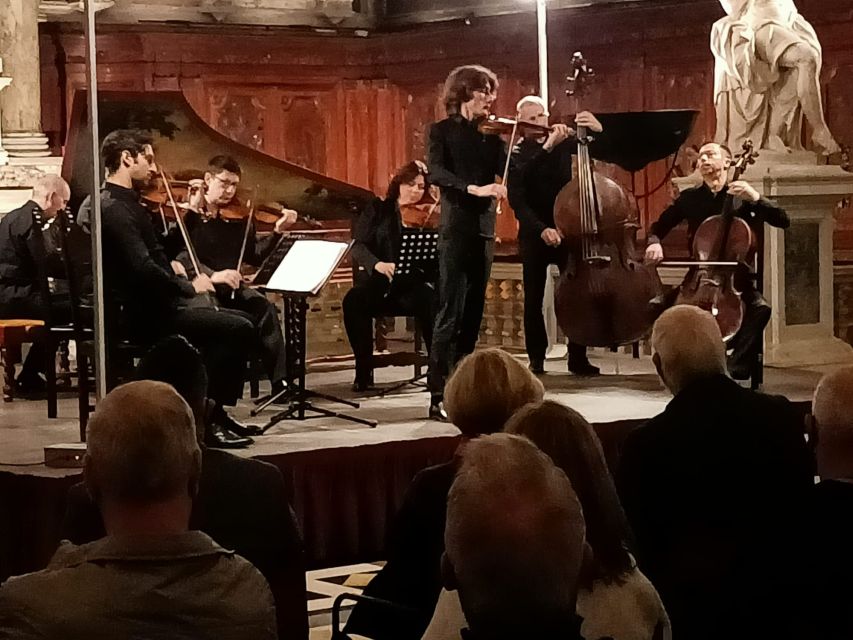
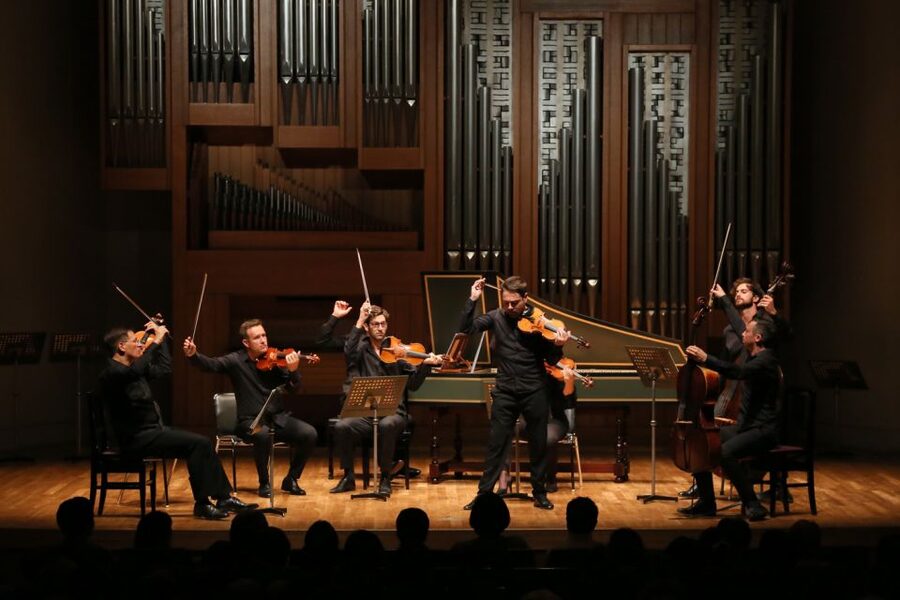
This concert is performed by Interpreti Veneziani, a baroque orchestra based in Venice, described here as 35 years old. That’s not a marketing detail to ignore. A group that’s been shaping its sound for decades tends to bring consistency and confidence—especially in music that depends on precise articulation.
And yes, it’s Vivaldi’s Four Seasons, but the night also includes other pieces. That matters for your enjoyment. The Four Seasons is the headline, but the surrounding program gives your ears a little reset so you don’t feel stuck listening to the same emotional color for the whole evening.
What You’ll Hear in the Four Seasons (and Why It Hits Harder)
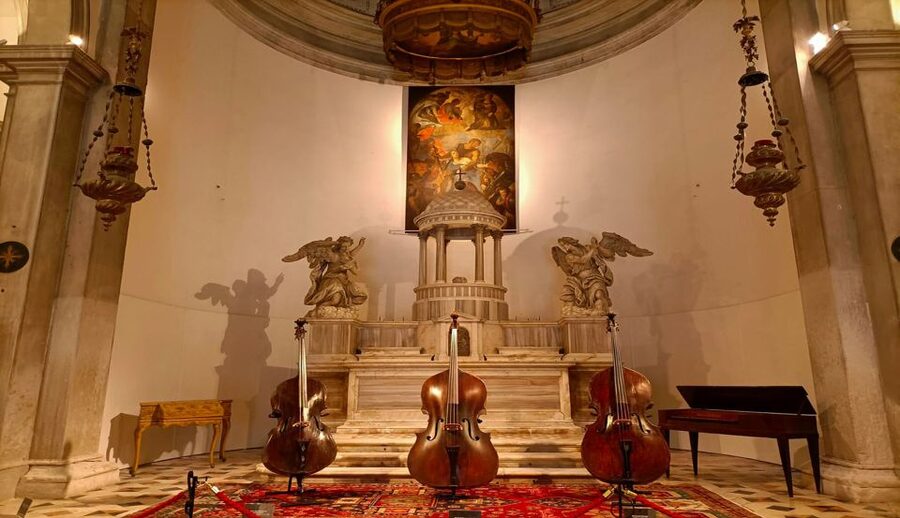
Vivaldi’s Four Seasons is famous for a reason: it’s vivid music that paints weather and moods with rhythm and harmony. In a live performance, you notice how the orchestra controls pacing. Fast passages feel fleet, slow sections feel weighty, and transitions land with real intention rather than recorded smoothness.
The baroque approach is part of the point here. One thing that comes through repeatedly is the balance of clean baroque tone with expressive interpretation. That combination makes the music feel sharp without turning robotic. You’ll often hear how musicians shape each movement so the “season painting” becomes story, not just sound.
If a soloist is featured—some program notes and performances you might see highlighted—names like Nicola Granillo have shown up in past performances, especially admired for standout interpretation in movements like those from Autumn. You should treat specific soloist names as program-dependent, but the general takeaway is consistent: the featured playing can be the emotional focus.
Also, pay attention to how the orchestra is used. In a good baroque concert, the ensemble isn’t a wall of sound. It’s a conversation—strings answering strings. When that clicks, the music feels like it has momentum that never fully repeats.
Seat and Sound: Practical Tips That Make This Feel Easy
This is one of those concerts where timing matters more than you might expect. There are no assigned seats, so if you want the best sightlines (and a calmer view of the stage), come early. A good rule from experiences at this venue is about 30 to 40 minutes early.
Some people end up with seating very close to the stage, and that changes the whole feel of the night. You don’t just hear the music; you see the physical work behind it—bow changes, hand positions, and the small cues that keep ensemble timing tight.
Sound quality is part of the attraction. San Vidal’s acoustics are repeatedly praised as unique. The church amplifies clarity in a way that feels natural rather than amplified. Even if you’re not in the absolute front, strings carry well.
The one downside to plan for: chairs. Some reports describe chairs as uncomfortable or noisy. Also, you’re inside a historic church space where airflow might be limited, so think about comfort in terms of layers. If you’re sensitive to warm rooms, plan to dress smart and bring patience.
One more good rule: the event keeps phones out of the experience. Flash photography is not allowed, and during performance, the rules are enforced enough that you can usually enjoy the music without screens in your face.
More gallery hours out of the sun
Museum Rules and Concert Rules: Small Stuff That Changes the Vibe
You’ll want to know the behavior rules before you get there, because they affect your ease once you’re seated or in the museum.
In the museum and concert area, you’re not allowed smoking, food and drinks, large bags/luggage, or pets (except assistance dogs). You also can’t touch exhibits, make noise, flash photograph, photograph inside, or record audio. That may sound strict, but it’s actually why this experience feels respectful and focused.
For you, the practical message is simple: travel light. Bring what you can carry without turning the museum or church entry into a hassle. Leave bags behind if you can. And treat the day like a quiet appointment with music, not a casual sightseeing break.
How to Work This Day into Your Venice Plans
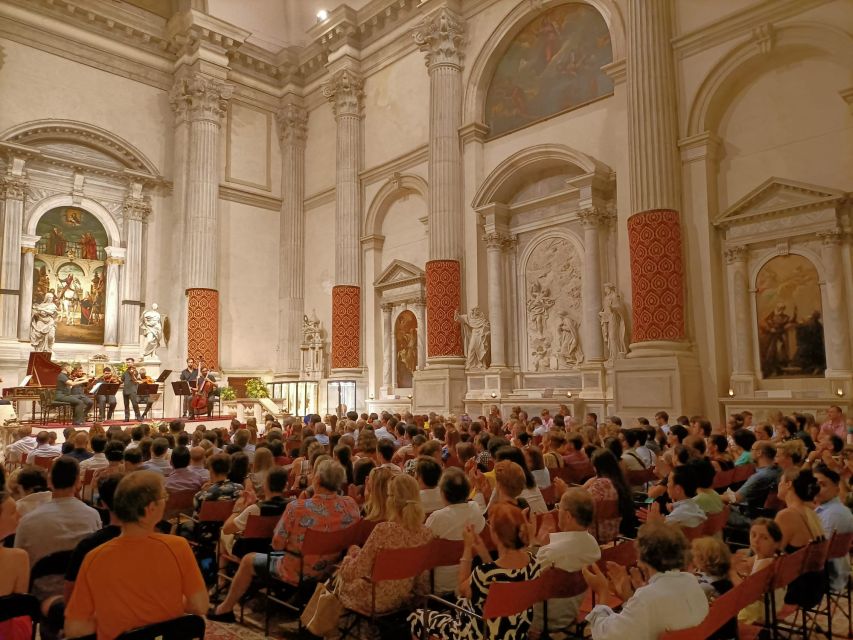
This is a one-day experience with a built-in flow: museum first, concert later. You also have flexibility because the museum visit is free with your ticket either before or after the concert date.
So, how should you schedule it? I’d anchor my day around the concert time (since that’s fixed to your booking window), then use the museum as your calm activity in between. If you arrive too late at the museum, you’ll rush. And rushing instruments is like rushing a gallery of paintings—you lose what makes it worth doing.
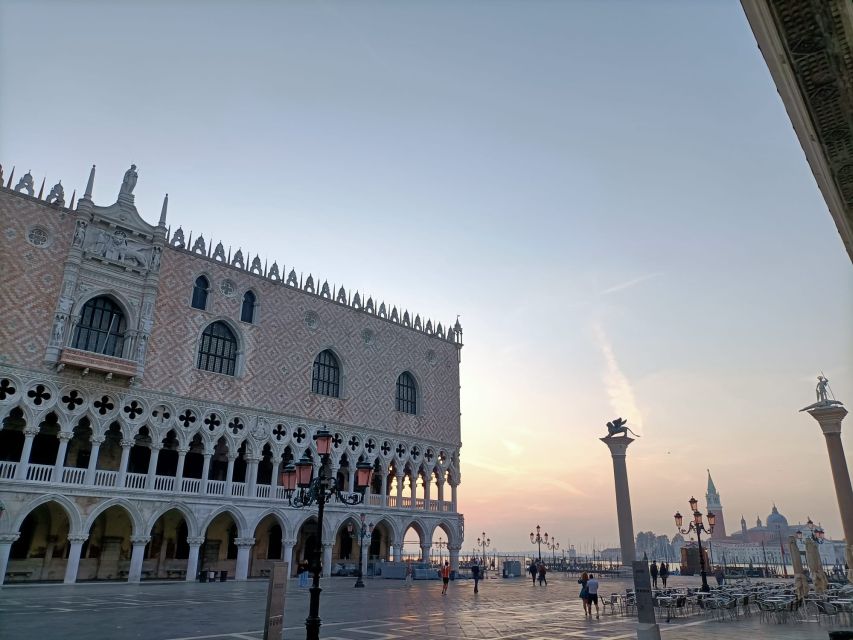
Location-wise, the concert is in the San Vidal Church area, about 10 minutes from the Rialto Bridge area (roughly between the Accademia area and St. Mark’s). That’s handy because you can pair this with a normal Venice loop: cross one side of the city, then spend the evening in the calmer rhythm of a concert.
Some people also note that getting there by boat can be straightforward, with stops around Zattere mentioned as a helpful approach. If you already plan to use vaporetto during the day, this can fit naturally.
Add-On Sights: San Vidal and San Maurizio Around the Music
Part of the appeal is that the concert isn’t just in a random venue. The churches in this area feel like part of the story.
The highlights call out San Vidal with art associations like Carpaccio, and also point you toward Piazzetta nearby. You also get San Maurizio mentioned as part of the overall church setting of the experience. Even if you don’t go deep into every artwork, it’s a benefit that the setting is meaningful. Venice doesn’t separate music from place—it stacks them.
When you step outside after the concert, the area around these churches gives you a softer landing. You’re not just leaving a ticketed event; you’re leaving a neighborhood where the architecture still shapes sound, sight, and mood.
Price and Value: Is $46 a Good Deal Here?
At $46 per person, you’re paying for two experiences in one day: a museum visit and a live concert. That can be a strong value in Venice, where standalone concerts and museum entry alone can add up fast.
What makes it feel worth it for me is the pairing. You’re not buying a concert ticket and hoping it connects emotionally. The museum before the music gives you context for why the instruments matter. When you then hear Vivaldi live, the details you noticed in the museum start to connect in your head.
It’s also a small-group-feeling experience even when the venue is popular. The performance is held in a church, and the audience rules help keep focus. That matters because the quality of your evening experience depends heavily on the room’s vibe, not just the musicians.
One more value note to keep in mind: pricing can vary depending on where you buy. Some people report that the price they saw on site was lower than what they paid online. I can’t promise how it works for every booking date, but it’s a good reminder to check for same-day ticket pricing if you’re flexible.
The Right Fit: Who Should Book This?
This works especially well if you want Venice culture that isn’t just sightseeing. If you like music but also enjoy craftsmanship and object-based learning, the museum component will give you something to hold onto.
It’s also good for first-timers to classical concerts. People have described it as memorable even without being lifelong music fans. Vivaldi’s Four Seasons does a lot of emotional work for you, and the live setting keeps it from feeling distant.
If you’re someone who hates sitting still for long periods or gets uncomfortable in warm church interiors, plan accordingly. Arriving early helps you choose where you sit. And if you know you’re sensitive to seating comfort, dress for warmth and keep expectations realistic about church chairs.
Should You Book This Vivaldi + Music Museum Day?
If you want a single Venice day that connects museum detail to live sound, I’d book it. The Four Seasons performed live in San Vidal plus access to the Museo della Musica di Venezia is a smart combo: you get context in the museum and payoff in the concert.
Do it if you’re excited by instruments, by craftsmanship, or by hearing familiar music with a baroque approach. Skip it only if you’re very picky about seating comfort and aren’t willing to arrive early and stand in line for a better spot.
FAQ
Where is the concert held?
The concert takes place at San Vidal Church. The experience also references the San Maurizio Church as part of the setting for the concert.
Where is the music museum located?
The Museo della Musica di Venezia is at S. Marco, 2603, 30124 Venezia VE, Italy.
Does the ticket include museum access?
Yes. With the same ticket, you can visit the museum for free on the same day, either before or after your concert.
What are the museum opening hours?
The museum is listed as open every day from 10 AM to 1 PM and 2 PM to 7 PM.
Is photography allowed during the concert?
No. Photography inside isn’t allowed, and flash photography is also not allowed.
Is audio recording permitted?
No. Audio recording is not allowed.
Can I bring food, drinks, or large bags?
No. Food and drinks are not allowed, and luggage or large bags are not allowed.
Are pets allowed?
No. Pets are not allowed, but assistance dogs are allowed.
Are seats assigned for the concert?
No. Seats are not assigned, so you should arrive early if you want better placement.
Is the experience refundable?
Free cancellation is available up to 24 hours in advance for a full refund. Some booking options may also let you reserve now and pay later.
Indoors Done Well: Venice Galleries
- Venice: Leonardo Da Vinci Museum Entrance Ticket
★ 4.5 · 3,560 reviews - Venice’s Best: Basilica, Doge’s Palace, Gondola & History Gallery
★ 4.5 · 2,478 reviews - Charming Gondola Ride on the Grand Canal & Gondola Gallery™
★ 4.0 · 1,313 reviews - Venice: City Pass with Museums including Doge’s Palace
★ 4.1 · 1,020 reviews - Venice: Bell Tower & St Mark’s Square History Gallery Ticket
★ 4.3 · 910 reviews - Venice Museum Pass & Doge’s Palace Entrance Ticket
★ 3.9 · 769 reviews
More Tour Reviews in Venice
- Venice: Doge’s Palace Reserved Entry Ticket
★ 4.6 · 42,716 reviews - Venice: Grand Canal Gondola Ride with App Commentary
★ 4.1 · 23,020 reviews - Venice: Grand Canal Gondola Experience with Live Commentary™
★ 4.2 · 16,504 reviews - Boat Trip: Glimpse of Murano, Torcello & Burano Islands
★ 4.3 · 15,699 reviews - Venice: La Fenice Opera House Entry Ticket with Audio Guide
★ 4.6 · 11,742 reviews - Murano & Burano: Boat Tour with Guide & Glass Factory Visit
★ 4.3 · 10,716 reviews
Vivaldi by Candlelight, and More
- Venice: La Fenice Opera House Entry Ticket with Audio Guide
★ 4.6 · 11,742 reviews - Venice: Interpreti Veneziani Concert at Church of San Vidal
★ 4.8 · 3,256 reviews - Venice: Vivaldi’s Four Seasons Live Classical Music Concert
★ 4.6 · 2,524 reviews - Venice: Vivaldi Four Seasons Concert at Vivaldi Church
★ 4.8 · 1,864 reviews - Venice: The Three Tenors Concert Ticket
★ 4.8 · 1,183 reviews - I Musici Veneziani Concert: Vivaldi Four Seasons
★ 4.5 · 945 reviews
Fresh Off the Vaporetto: New Venice Reviews
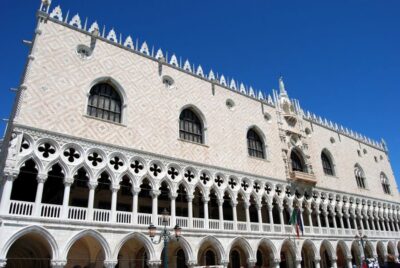
Vivaldi Concerts & Venetian Opera, compared.
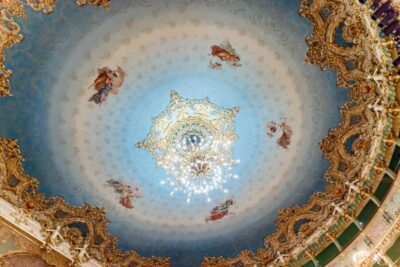 ★ 4.6La Fenice Opera House Entry Ticket with Audio GuideFrom $1411,742 reviews
 ★ 4.8Interpreti Veneziani Concert at Church of San VidalFrom $373,256 reviews
 ★ 4.6Vivaldi’s Four Seasons Live Classical Music ConcertFrom $412,524 reviews
 ★ 4.8Vivaldi Four Seasons Concert at Vivaldi ChurchFrom $421,864 reviews
 ★ 4.8The Three Tenors Concert TicketFrom $391,183 reviews
 ★ 4.5I Musici Veneziani Concert: Vivaldi Four SeasonsFrom $42945 reviews
 ★ 4.5Musica a Palazzo ‘Traveling Opera’ Performance in VeniceFrom $117722 reviews
 ★ 5.0I Musici Veneziani Vivaldi’s Four Seasons and Tenor ariasFrom $42652 reviews
Browse the lists this tour appears in