
Review · VENICE GHOST & MYSTERY TOURS
Venice: Crimes, Legends, and Mysteries Sunset Tour
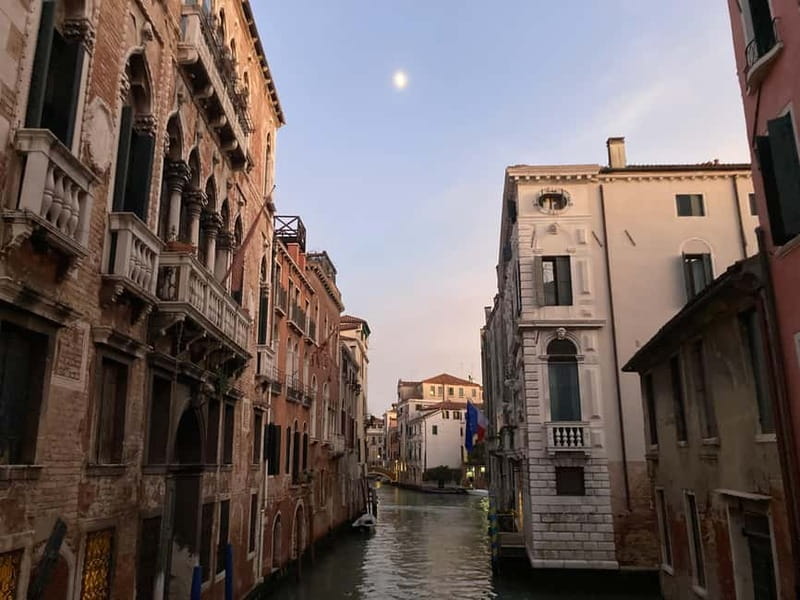
Crime stories feel different at sunset. This Venice San Polo walking tour turns local alleys and canal edges into a living set for crimes, legends, and mysteries, with a guide who keeps the pace moving and the facts grounded. I like that it mixes human drama (forbidden love, vendettas) with practical street detail (how canals and bridges affected real-life law and escape).
I also like the way the walk helps you get your bearings fast in an area most visitors rush through. You start at Campo San Polo and end near St Mark’s Square, so the route doubles as orientation plus entertainment. One consideration: the stories run dark and macabre, and the tour is not suitable for children under 13.
In This Review
- Quick hits: the most compelling reasons this tour works
- San Polo at sunset: why Venice’s “dark side” feels real
- Meeting at Campo San Polo: get positioned before the stories get heavy
- Campo San Silvestro: where the neighborhood mood starts to shift
- Ponte di Rialto: the famous crossing, framed by crime
- Corte Seconda del Milion: a guided stop built around architectural secrets
- Campo de la Fava: smugglers, black-market corners, and the canal mindset
- St Mark’s Square finish: close the loop with a classic landing point
- What you actually pay for: value at $45 for a guided story-walk
- Your guide’s role: the storytelling that repeatedly lands
- Walking reality check: narrow alleys, weather, and pace
- Who should book this Venice crime tour (and who shouldn’t)
- Should you book it? My honest decision guide
- FAQ
- How long is the Venice Crimes, Legends, and Mysteries Sunset Tour?
- Where do I meet the guide?
- What is the price?
- Is the tour guided in English?
- Where does the tour end?
- What should I bring?
- Is transportation included?
- Is the tour suitable for children?
- Is it okay to take photos?
- Can I get a refund if I cancel?
Quick hits: the most compelling reasons this tour works
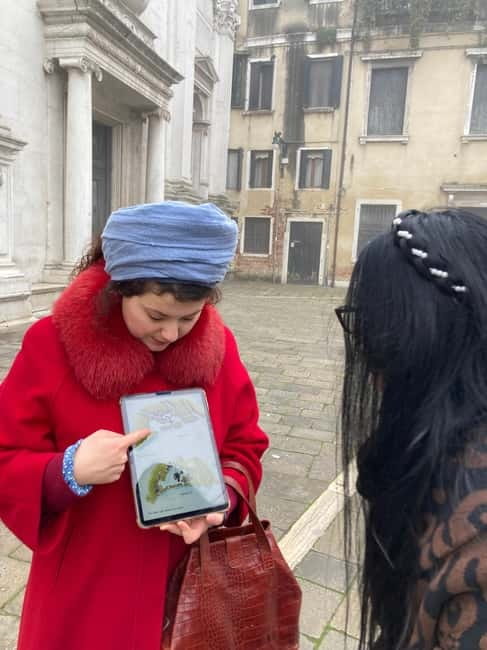
- San Polo at sunset: narrow lanes and canal-side shadows make the stories feel earned.
- The guide’s storytelling style: names like Giulia, Marina, Anita, Elena, and Joy show up repeatedly in guest comments as engaging and funny-dark.
- Crime that fits Venice’s design: canals, bridges, and footpaths shape escapes and investigations.
- Masks and identity: you’ll hear how disguise helped criminals operate in plain sight.
- A guided route with built-in context: stops connect love stories, political intrigue, and unresolved enigmas in one thread.
San Polo at sunset: why Venice’s “dark side” feels real
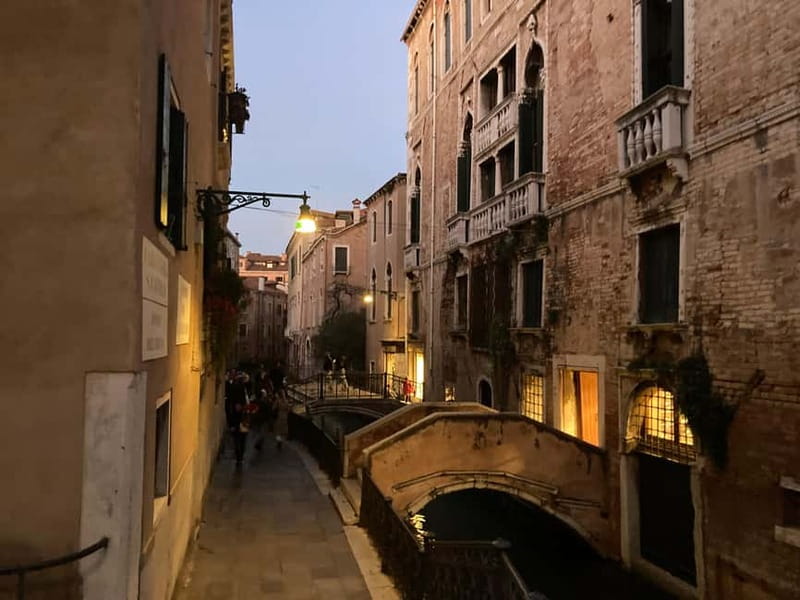
This is the kind of tour where the setting does half the work. Venice is already a maze, but San Polo gives you the canals, foot bridges, and side streets that make crime stories believable. At sunset, the light softens the edges and makes the shadows in the alleys do their job.
I like that the tour doesn’t just aim for shock value. The “crimes” are tied to how Venice functioned: movement by water, access through waterways, and how difficult it was for authorities to keep up when the city’s roads are basically floating. When your guide talks about law enforcement facing the waterways, it lands because you’re walking through the same kind of geometry criminals used.
If you’re the type who enjoys walking tours for wayfinding and atmosphere, this one can do both. You’ll get a sequence of recognizable waypoints—Campo San Silvestro, Ponte di Rialto, then onward toward St Mark’s—so you’re not stuck wandering without a map in your head.
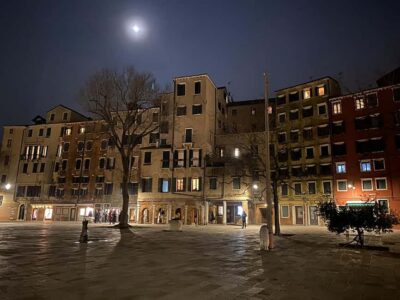
Darker corners of the calli after nightfall
- Venice: Lords of the Night Prison’s Palace Cells & Tortures★ 4.0 · 1,067 reviews
- Venice Ghost Stories, Legends and Anecdotes Tour★ 4.0 · 846 reviews
- Venice: Crimes, Legends, and Mysteries Sunset Tour★ 4.9 · 704 reviews
- Venice: Ghost Tour to Rialto and San Marco Square★ 3.8 · 659 reviews
Meeting at Campo San Polo: get positioned before the stories get heavy
You meet in Campo San Polo, outside the FARMACIA. This matters more than it sounds. Meeting in a central square means the guide can orient the group quickly before you slip into the darker, narrower lanes.
Expect a 1.5-hour walk at sunset, so the tour moves in a tight rhythm: listen, look, walk, stop, repeat. That structure is part of the value. You’re paying for a local guide to do the connecting work—explaining why specific corners matter—rather than just following a route you could download.
Practical tip: wear comfortable shoes with real grip. Venice surfaces can be slick, and some lanes feel tighter once the light drops. One more thing to plan for is weather. Bring an umbrella or raincoat if forecasts look iffy, because the walking continues.
Campo San Silvestro: where the neighborhood mood starts to shift
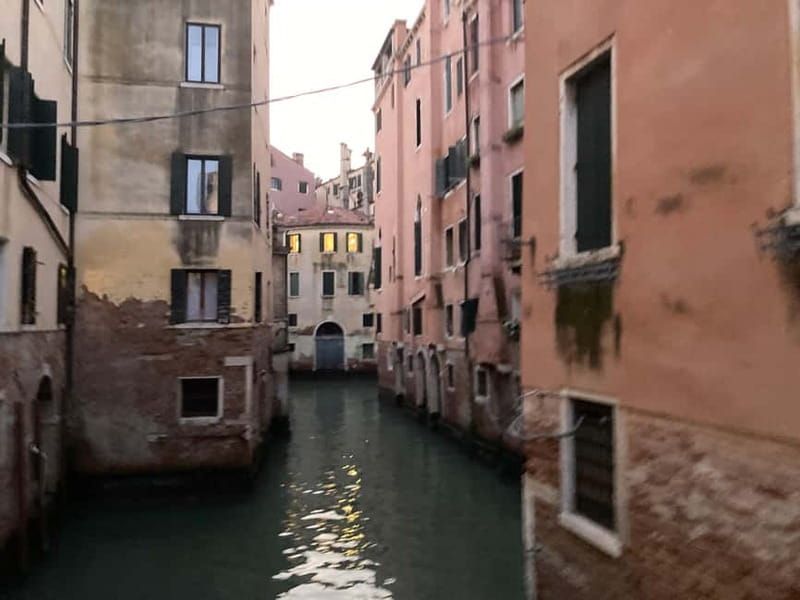
Your first real stop is Campo San Silvestro. The guide spends about 20 minutes here, and this is your setup zone—the moment when the tour starts turning from “Venice is pretty” into “Venice had teeth.”
This part tends to focus on the human side of the city’s legend-making: forbidden love, political tension, and unresolved enigmas. It’s also where you get the sense that San Polo wasn’t just a postcard. It had its own social pressure, its own networks, and its own problems.
One advantage of starting with context in a square is that you’ll understand the later canal-side scenes better. When you know what kind of power players existed and what kinds of secrets were protected, the later “mystery” feels like a logic puzzle instead of a random scare story.
Ponte di Rialto: the famous crossing, framed by crime
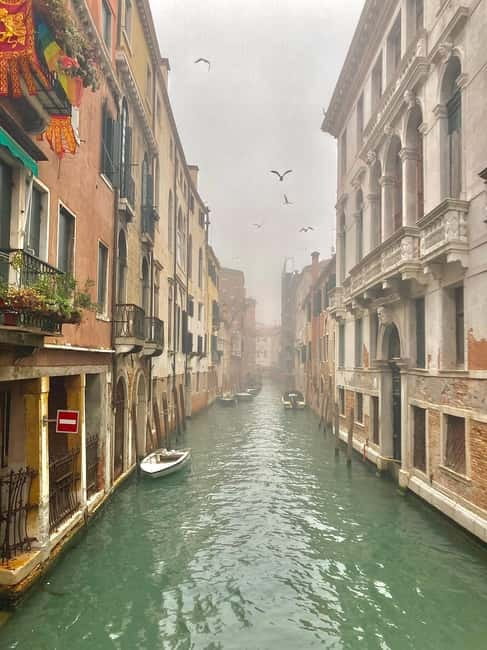
Next comes Ponte di Rialto for another 20-minute stop. Rialto is tourist-famous now, but the tour treats it like an engine of movement—exactly the kind of place where schemes, deals, and opportunists would cluster.
This is where the crime stories start sounding operational. Heists aren’t just dramatic—they’re planned around routes, timing, and hiding places that Venice’s layout makes possible. You also get the cat-and-mouse idea: criminals leveraging the city’s waterways while authorities try to respond without getting outmaneuvered.
A real-world reason this stop is valuable: Rialto is a landmark you’ll likely pass later anyway. Seeing it through the lens of crime and enforcement gives you a memory hook. Even if you forget names, you’ll remember the idea that bridges and canals were part of the city’s security system—just not always an effective one.
Corte Seconda del Milion: a guided stop built around architectural secrets
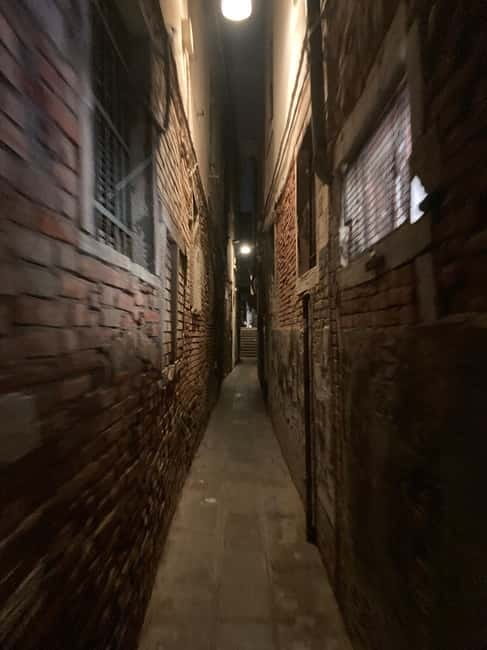
Then you move to Corte Seconda del Milion, with about 20 minutes of guided time. This is one of the stops where the tour leans hard into the theme of secrets hiding in plain sight—stories tied to residences and architecture that can conceal identities and intentions.
The tour’s “enigma” angle shows up strongly here. You’ll hear about stories connected to political intrigue and unsolved plotting, and you’ll likely get a strong emphasis on how buildings functioned as tools: walls for privacy, narrow entries for control, and proximity to waterways for escape.
I like this stop because it shifts the focus away from dramatic action and toward careful planning. Venice rewards the patient observer. When your guide points out how a place could be used, you start seeing the city like a puzzle—doors, sightlines, and routes.
Other ways to slip into a Venice evening




Campo de la Fava: smugglers, black-market corners, and the canal mindset
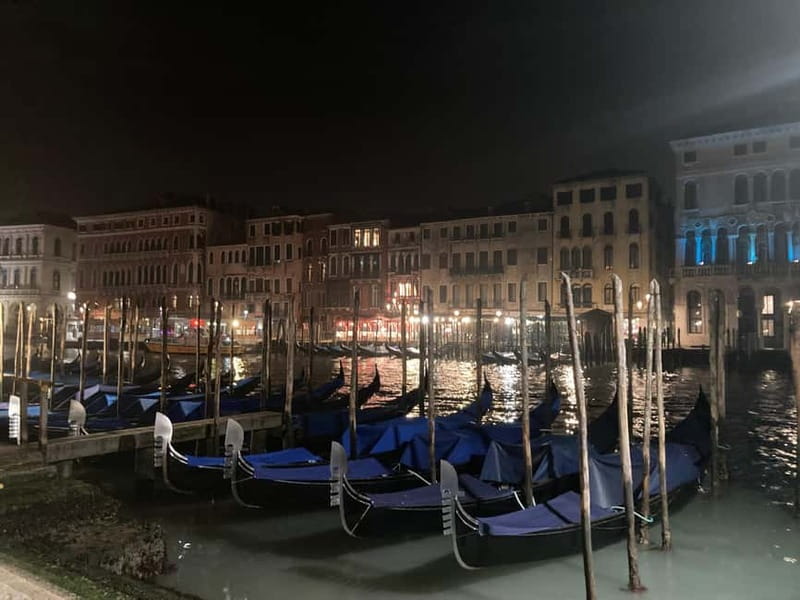
The tour finishes its stop sequence at Campo de la Fava, about 15 minutes. This is where stories tend to turn toward the underworld edges: smugglers, covert dealings, and black-market activity hidden in places that don’t look like they could hold anything more than everyday street life.
This stop also supports one of the tour’s biggest themes: how criminals adapted to Venice’s design. When the city is made of water routes, crime doesn’t need to look like a chase. It can look like logistics—moving goods, passing identities, avoiding attention, and using bridges as timing devices.
If you like folklore and realism sitting side by side, you’re in the right place. Masks and disguise are part of the story framework here too, so you’ll connect the idea of anonymity with how Venice’s crowds and waterways can blur who’s doing what.
St Mark’s Square finish: close the loop with a classic landing point
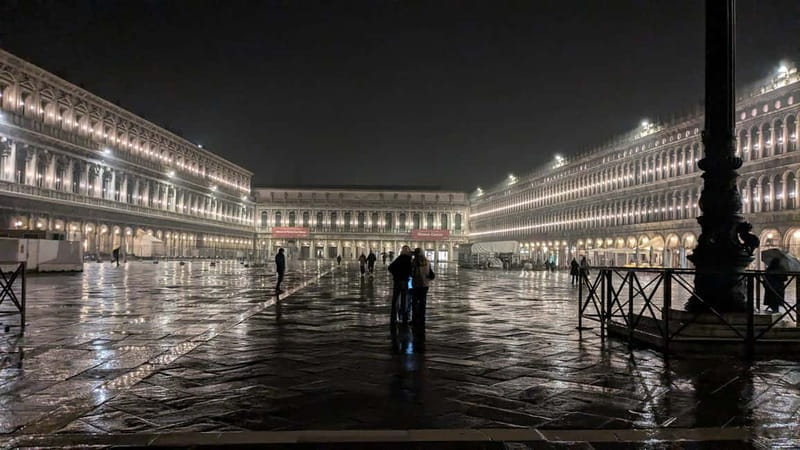
After Campo de la Fava, the tour ends at St Mark’s Square. Ending near one of Venice’s most recognizable areas is smart. It gives you a clean visual finish and helps you translate all the darker side streets you just walked into a mental map.
Think of it as a loop closure. You start in the heart of San Polo, work your way through key stops that Venice visitors see, and end at the grand stage where you can finally catch your breath. It’s also convenient for dinner planning, since you’ll already be close to major food and sight corridors.
One more practical point: since this is a sunset walk, light conditions change fast. If you care about photos, keep your camera ready but follow the guide’s direction about sensitive sites and private property.
What you actually pay for: value at $45 for a guided story-walk
At $45 per person for 1.5 hours, the value is in the guide’s ability to connect location to story. You’re not just paying to walk through Venice. You’re paying for narrative craft plus local context: why certain corners and residences get remembered, and how Venice’s “water-first” layout affected both crime and enforcement.
This is also a good price point for a tour you can do without spending a whole afternoon on logistics. There’s no mention of included transportation to your meeting point, so you’ll want to plan how you’ll reach Campo San Polo on your own. Once you’re there, the tour handles the rest.
Where this price feels especially fair is if you’ve already done one or two major sights. For example, if you’ve visited something justice-focused, this type of walk helps you connect institutions to everyday reality: the difference between what the Republic wanted and what was hard to control on the water.
Your guide’s role: the storytelling that repeatedly lands
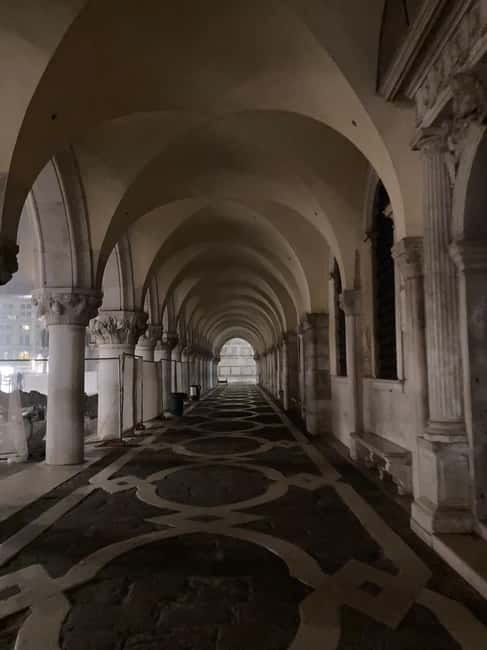
Guides are the make-or-break part of a crime tour, and the strongest praise you’ll see around this one isn’t vague. It’s about storytelling with humor, clear pacing, and room for questions. Names that come up often include Giulia and Marina, plus Anita, Elena, and Joy in other accounts.
What that tells me as a reader is that the best versions of this tour don’t just recite facts. They build a narrative rhythm. They keep the group comfortable, answer questions as you go, and make the dark topics feel like part of Venice’s identity rather than random macabre entertainment.
You’ll likely also notice that many guides share practical follow-ups. Several comments mention restaurant and activity recommendations after the tour, which is useful if you’re trying to turn a good evening into a great one.
Walking reality check: narrow alleys, weather, and pace
This tour includes a lot of walking, including some dark and narrow alleys. That’s part of the design, not a minor detail. If you don’t enjoy going off the main streets, you might find the darker lanes feel more stressful than fun.
Bring comfortable shoes is the obvious advice, but I’d add another: give yourself time. Venice can slow you down even on “easy” sidewalks, and this tour keeps moving. If you tend to get tired quickly, plan a lighter schedule before and after.
Weather is your other variable. Venice rain doesn’t always stop the stories. Expect to use your umbrella or raincoat and keep your phone/camera protected.
Who should book this Venice crime tour (and who shouldn’t)
This is a strong fit if you like:
- dark legends mixed with real city logic (canals, access, enforcement)
- walking tours that also help you understand where you are in Venice
- crime stories that are more social and political than purely action-based
It’s also a great option for solo visitors who want a guided narrative thread while meeting people along the way. Some accounts describe it as an organized, friendly walk where you can ask questions and not feel rushed.
Skip it if:
- you’re traveling with kids. It’s not suitable for children under 13 due to dark and macabre stories.
- you dislike crime content or you’re sensitive to vendettas, assassination plots, and grisly details.
Should you book it? My honest decision guide
Book this tour if you want Venice with sharper edges. You’ll get a 1.5-hour sunset route through San Polo that connects mysteries, masks, heists, and enforcement challenges to real corners like Rialto and the way toward St Mark’s. At $45, it’s priced like a story experience, not a museum lesson, and it sounds like the guide quality is consistently the reason people rate it so high.
Don’t book it if you want a light, family-friendly stroll or if you prefer only well-lit, wide streets. This one leans into narrow alleys and darker tales, and the content is intentionally creepy.
If you’re somewhere in the middle—curious but cautious—this is still a smart choice. Just go in expecting a thoughtful crime story walk, not a spooky theme park.
FAQ
How long is the Venice Crimes, Legends, and Mysteries Sunset Tour?
The tour lasts 1.5 hours.
Where do I meet the guide?
Meet your guide in Campo San Polo, outside the FARMACIA.
What is the price?
The price is $45 per person.
Is the tour guided in English?
Yes. The tour includes a live guide in English.
Where does the tour end?
The tour ends at St Mark’s Square.
What should I bring?
Wear comfortable shoes. If weather looks uncertain, bring an umbrella or raincoat. Photography is allowed, but be respectful of private property and sensitive sites.
Is transportation included?
No. Transportation to the meeting point is not included.
Is the tour suitable for children?
No. It’s not suitable for children under 13 because the stories include dark and macabre elements.
Is it okay to take photos?
Yes, photography is allowed, with the expectation that you respect private property and sensitive sites.
Can I get a refund if I cancel?
Yes. Free cancellation is available up to 24 hours in advance for a full refund.
More Tours in Venice
- Murano & Burano: Boat Tour with Guide & Glass Factory Visit
★ 4.3 · 10,716 reviews - Doge’s Palace & St. Mark’s Basilica with Terrace Access Tour
★ 4.7 · 10,697 reviews - Venice: Burano, Torcello & Murano Boat Tour w/Glassblowing
★ 4.4 · 10,245 reviews - Murano, Burano and Torcello Half-Day Sightseeing Tour
★ 3.5 · 7,928 reviews - Murano & Burano Islands Guided Small-Group Tour by Private Boat
★ 4.5 · 7,580 reviews - Venice: Doge’s Palace and St Mark’s Basilica Walking Tour
★ 4.4 · 6,291 reviews
More Tour Reviews in Venice
- Venice: Doge’s Palace Reserved Entry Ticket
★ 4.6 · 42,716 reviews - Venice: Grand Canal Gondola Ride with App Commentary
★ 4.1 · 23,020 reviews - Venice: Grand Canal Gondola Experience with Live Commentary™
★ 4.2 · 16,504 reviews - Boat Trip: Glimpse of Murano, Torcello & Burano Islands
★ 4.3 · 15,699 reviews - Venice: La Fenice Opera House Entry Ticket with Audio Guide
★ 4.6 · 11,742 reviews - Murano & Burano: Boat Tour with Guide & Glass Factory Visit
★ 4.3 · 10,716 reviews
The Calli After Dark
- Venice: Lords of the Night Prison’s Palace Cells & Tortures
★ 4.0 · 1,067 reviews - Venice Ghost Stories, Legends and Anecdotes Tour
★ 4.0 · 846 reviews - Venice: Ghost Tour to Rialto and San Marco Square
★ 3.8 · 659 reviews - Venice: Mysterious Tales of Ghosts and Murders
★ 4.9 · 636 reviews - Venice: The Footsteps of Commissario Brunetti Walking Tour
★ 4.9 · 445 reviews - Venice: Doge’s Palace Historic Mysteries Guided Tour
★ 3.7 · 238 reviews
Fresh Off the Vaporetto: New Venice Reviews
Venice Ghost & Mystery Tours, compared.
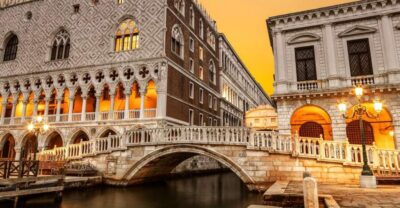 ★ 4.0Lords of the Night Prison’s Palace Cells & TorturesFrom $111,067 reviews
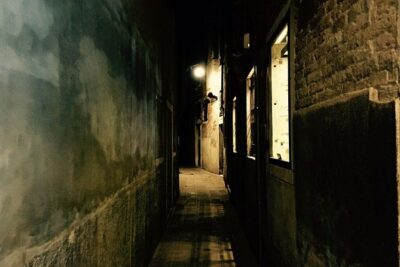 ★ 4.0Venice Ghost Stories, Legends and Anecdotes TourFrom $42846 reviews
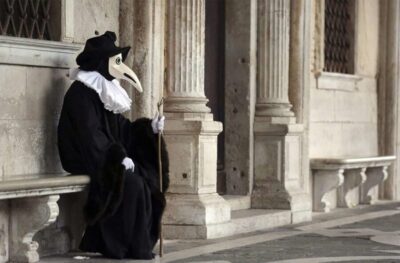 ★ 3.8Ghost Tour to Rialto and San Marco SquareFrom $31659 reviews
 ★ 4.9Mysterious Tales of Ghosts and MurdersFrom $57636 reviews
 ★ 4.9The Footsteps of Commissario Brunetti Walking TourFrom $157445 reviews
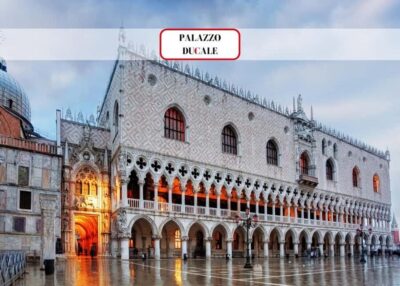 ★ 3.7Doge’s Palace Historic Mysteries Guided Tour238 reviews
 ★ 4.0The Ghost & Legends Walking TourFrom $42206 reviews
 ★ 5.0Venice Commissario Brunetti and Donna Leon: Walk His BeatFrom $93152 reviews
Browse the lists this tour appears in