
Review · VENICE BACKSTREET WALKING TOURS
Venice: Giudecca Island Discover Walking Tour
Giudecca gives Venice some room to breathe. On this Giudecca Island Discover Walking Tour, you get a waterbus crossing for big-city views, then a focused walk with Valerio Coppo through gardens, galleries, and everyday neighborhoods. I especially like how the guide connects what you see on the waterfront with why this fishbone-shaped island became Venice’s unofficial seventh sestiere.
One thing to plan for: this is a walking tour, and it is not suitable for people with mobility impairments or wheelchair users, so you’ll want to be comfortable on your feet for the full time.
In This Review
- Key things to know before you go
- Why Giudecca Feels Like Another Venice
- Getting There: The Waterbus Ride That Sets the Tone
- Meeting at Gesuati: Starting on the Venice Side of the Story
- Venice-Facing Quay Walk: Sea Air, Big Views, and a Real Pace
- Lagoon Side: Gardens, Art Spaces, and Neighborhood Texture
- Giudecca’s Past: From Aristocratic Retreat to Industrial Workhorse
- Art-District Giudecca: Where Modern Use Fits the Old Shell
- Languages, Private Group Feel, and How the Guide Shapes the Day
- Price and Value for a 2-Hour Giudecca Walk
- Who This Tour Fits Best (and Who Might Prefer Something Else)
- Should You Book This Giudecca Island Discover Walking Tour?
- FAQ
- FAQ
- How long is the Giudecca Island Discover Walking Tour?
- Where do I meet the guide?
- Do I need a waterbus ticket?
- What’s included in the tour price?
- Is this tour private or shared?
- What languages are available for the live guide?
- Is it suitable for wheelchair users or people with mobility impairments?
- What is the cancellation policy?
Key things to know before you go
- Waterbus to Giudecca: the ride is part of the experience, not just transit, with classic views of Venice
- Valerio Coppo’s guidance: clear, detailed storytelling that makes the island’s shifts in use feel real
- Two sides of Giudecca: walk the long Venice-facing quay, then head toward the lagoon-facing gardens and art spaces
- History you can see: palaces and retreats, later turned into warehouses, barracks, prisons, factories, and workers’ quarters
- Smaller, private feel: private group format means you can move at a comfortable pace with the guide
Why Giudecca Feels Like Another Venice
If Venice is a highlight reel, Giudecca is the calmer cut. It’s the largest island closest to Venice and sits just across the broad Giudecca Canal, so the views are close enough to feel intimate. Even the island shape is memorable: Giudecca is fishbone-like, and it’s often described as Venice’s unofficial seventh sestiere, giving you a sense that you’re stepping into a parallel neighborhood system rather than a random island stop.
What I like most is the range of the scenes in just 2 hours. You’re not only looking at buildings. You’re seeing the island’s rhythm: a quiet religious and residential side, plus the places that have shifted into an art-forward, modern use over time. The guide helps you connect those dots so it doesn’t feel like you’re just “passing sights.”
And because you’re walking, you get tiny moments that you’d miss from a bus or a quick photo stop: the change in atmosphere as you move along the quay, the way gardens soften the edges of the architecture, and the sense of how locals live here today.
On foot over the bridges, more routes
- Venice: Doge’s Palace and St Mark’s Basilica Walking Tour★ 4.4 · 6,291 reviews
- Venice: San Marco to Rialto Walk & Spritz Like a Local★ 4.2 · 3,651 reviews
- Venice Walking Tour and Gondola Ride★ 3.5 · 3,630 reviews
- Private 3 hrs Venice Tour: St Mark’s, Walking tour & Boat tour★ 4.0 · 3,372 reviews
Getting There: The Waterbus Ride That Sets the Tone
The tour starts with travel by waterbus to Giudecca, which I think is key. It does two jobs at once: it gets you out on the water for fresh air and views, and it lowers the mental volume. Before you even put on walking shoes, you’re already seeing Venice from an angle that feels different from the usual postcard viewpoints.
Here’s the practical piece: the waterbus ticket is not included. You buy it on-board. That’s simple, but it does mean you should plan a little patience at the point where you board and keep an eye on exact instructions from your guide or the operator staff.
Why this matters for value: a lot of Venice tours cram transportation into the background. This one treats the canal crossing as part of the experience, so you’re paying for a guided island walk with a built-in perspective shift.
Meeting at Gesuati: Starting on the Venice Side of the Story
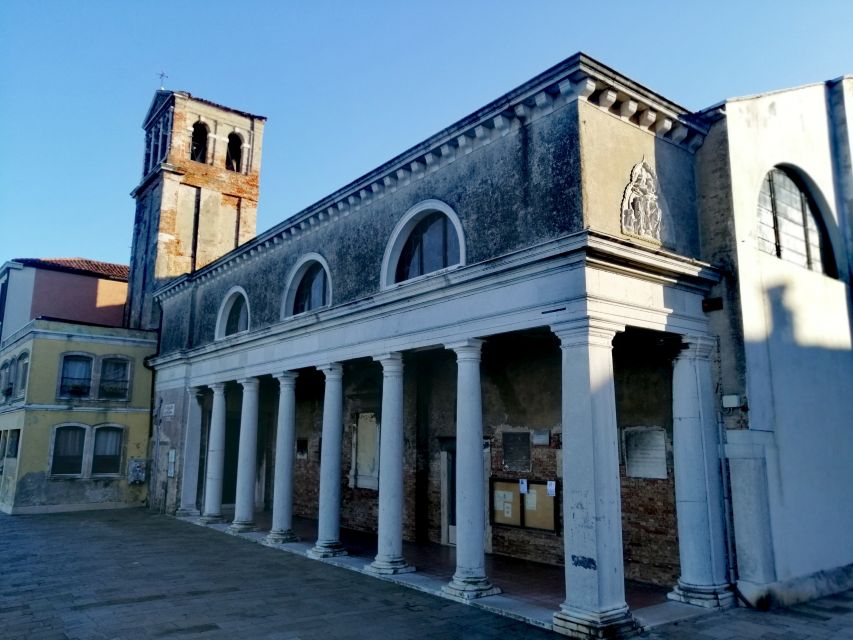
You meet your guide in front of the Church of Saint Mary of the Rosary, also called Gesuati. That’s a strong choice for setting context. You’re starting on the Venice-facing side of the experience, then heading toward the island that historically sat close enough to be shaped by the city—yet far enough to develop its own identity.
From there, the day’s rhythm becomes clear: get to Giudecca by water, then walk long, practical stretches where the guide can point out what you’re seeing and how it evolved. Since the tour is a walking format, starting location matters because it determines how quickly you’re moving and how much you enjoy the transition rather than losing time to getting organized.
Also, your guide’s role is central here. The experience is led by a tour leader and interpretive guide, and the “interpretive” part isn’t fluff. It’s what turns architecture and neighborhoods into a story you can follow.
Venice-Facing Quay Walk: Sea Air, Big Views, and a Real Pace
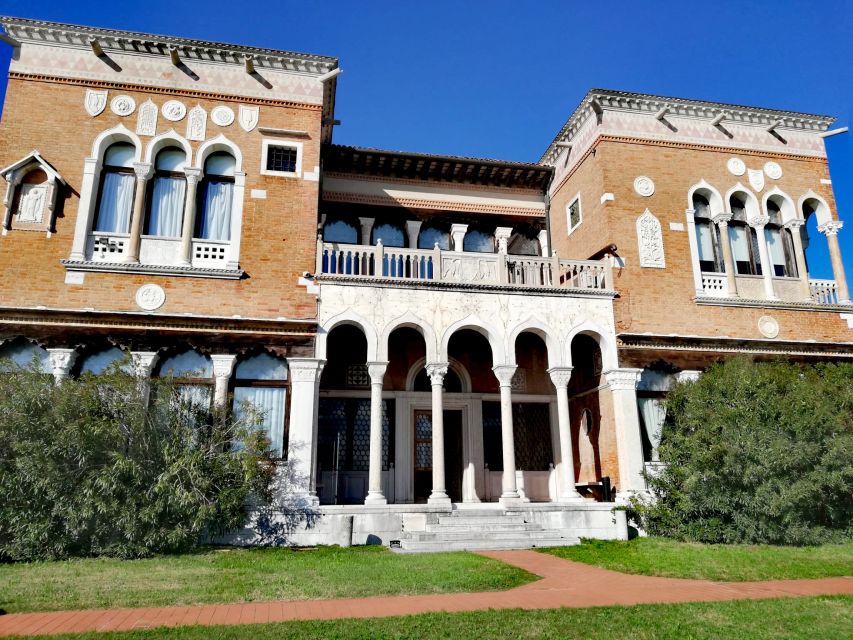
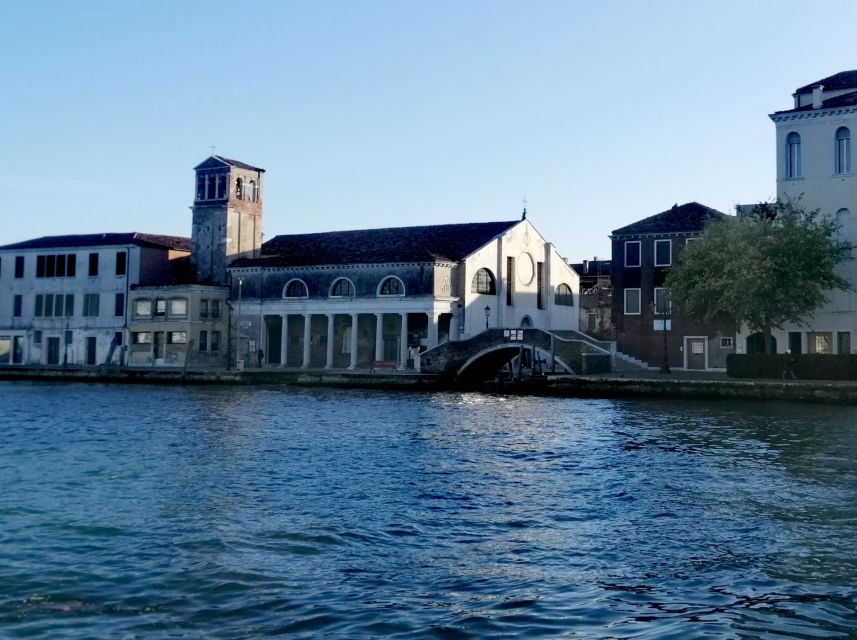
Once you’re on Giudecca, you’ll walk along the island’s long pedestrian quay on the Venice-facing side. This is one of the best ways to start because the waterfront puts everything in front of you: the canal, the city across the water, and the way the island’s buildings line up along the edge.
Expect the atmosphere to feel quieter than much of central Venice. That doesn’t mean it’s empty. It means it’s less performative. You’re seeing a working-feeling, resident-feeling side of the city’s geography.
For many people, the big payoff here is the combination of:
- views that feel close and cinematic
- fresh sea air that makes the walk more pleasant
- a guided pace that keeps you from wandering without understanding
The possible drawback: because this is a full walking tour and not designed for wheelchairs or limited mobility, you should plan for sustained time on foot. If you’re the type who needs frequent breaks, build that into your expectations.
Lagoon Side: Gardens, Art Spaces, and Neighborhood Texture
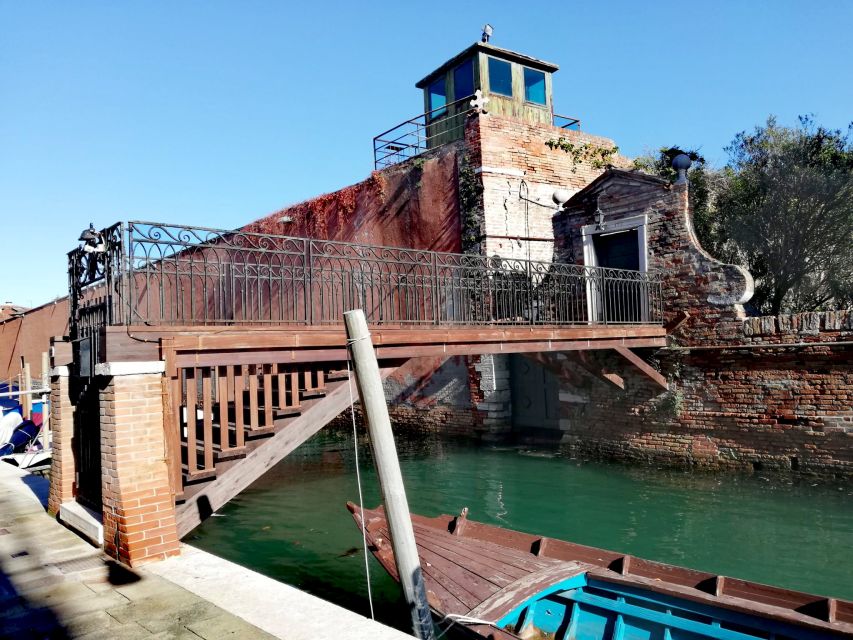
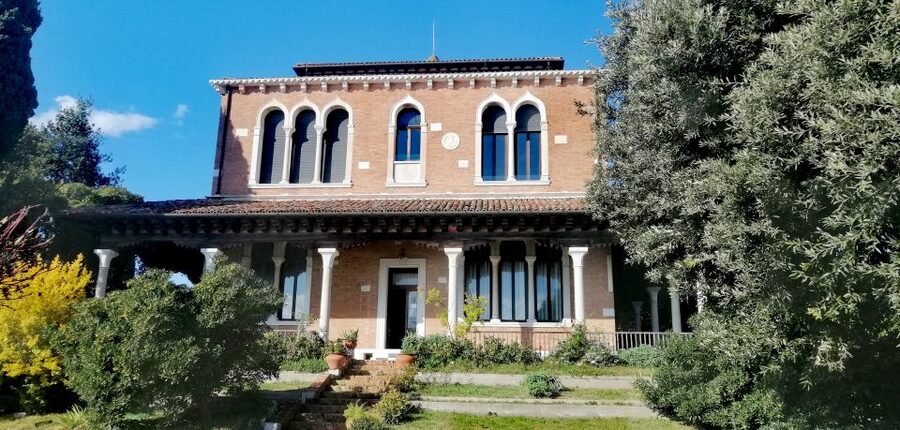
After the quay, you’ll also explore the hidden lagoon-facing side of Giudecca. This is where the island’s “other Venice” personality shows up. Instead of focusing on the water views toward Venice, you shift your attention to lush gardens, inspiring galleries, and neighborhoods that feel less about grand monuments and more about everyday place-making.
This part of the walk is especially satisfying if you like photography but don’t want the same angles everyone grabs. The highlights call out local-favorite sights and lesser-known spots, and on Giudecca that tends to translate into streets and garden edges that feel tucked away without being impossible to find.
One practical note for your comfort: since the tour involves walking through multiple areas of the island, it’s smart to wear supportive shoes. Even if the walking surfaces aren’t described in detail, “not suitable for wheelchair users” tells you enough: this isn’t a sit-and-ride version of Giudecca.
Venice at walking pace, more of the calli


Giudecca’s Past: From Aristocratic Retreat to Industrial Workhorse
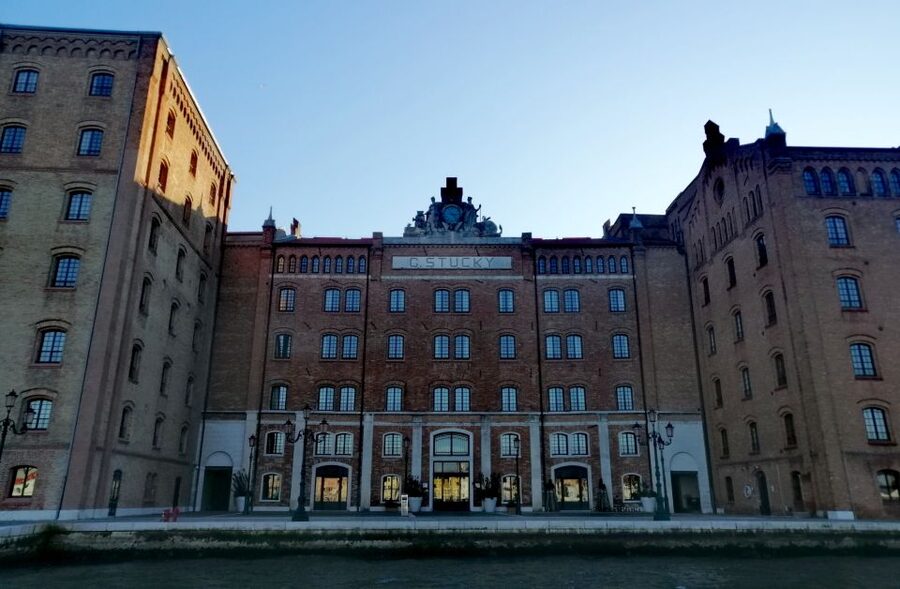
Here’s the part of Giudecca that makes the walk stick in your mind. The island has moved through major eras. It was once an aristocratic retreat. Later, it became Venice’s industrial center. And even now, you can see the layers.
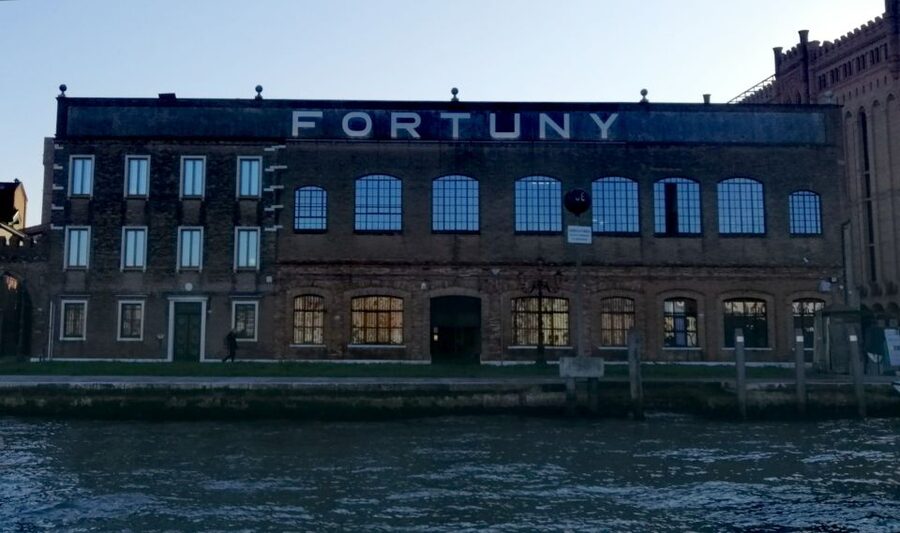
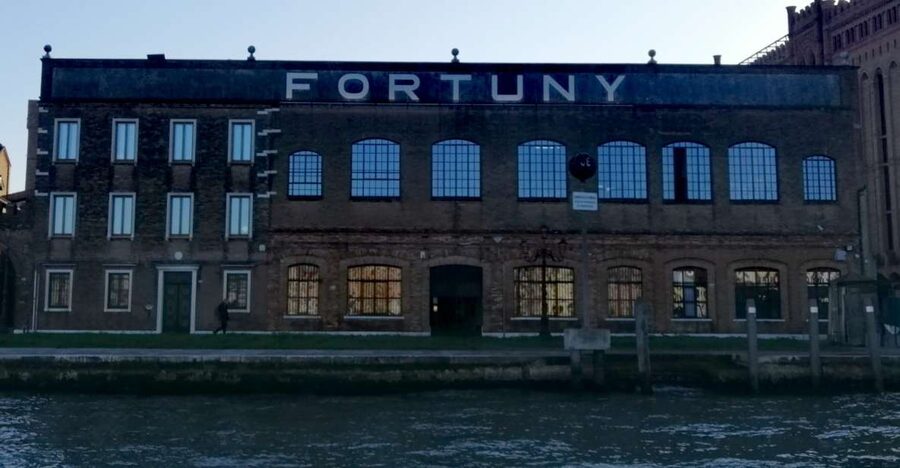
You’ll learn how palaces with gardens and allotments were built by patrician families, especially during a time when Giudecca was shaped by social life and leisure. Then, after the fall of the republic, many areas shifted away from residential elegance and toward industrial and institutional use—warehouses, barracks, prisons, factories, and workers’ quarters.
On a guided walk, that transformation becomes more than a history lesson. It’s a way of reading the island: noticing the kinds of spaces that could be adapted, understanding why certain areas feel more utilitarian in layout, and appreciating why some structures now show up as modern artistic spaces.
This is also where an experienced guide matters. The best tours don’t just list facts. They help you connect them to the street-level reality so you can look at a building and know what question to ask.
In my case, I found the explanation especially fun because it gave me a mental map of Giudecca’s timeline while I was still moving through the places it affected.
Art-District Giudecca: Where Modern Use Fits the Old Shell
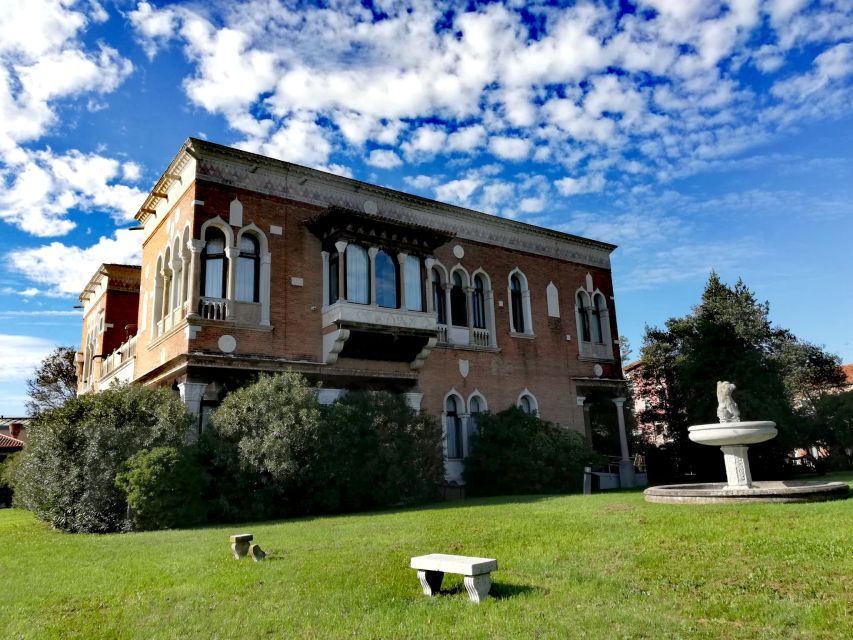
Today, Giudecca is known for a trendy artistic district feel. That doesn’t mean it has turned into a theme park. Instead, the island’s past is part of the package: some buildings that once supported industry or institutional needs have been converted for artistic and modern purposes.
As you walk, you’ll pass:
- art galleries
- areas that feel more residential
- green spots like gardens that soften the built environment
I like this balance because it makes the tour more than a “see the famous stuff” outing. You get a clearer sense of how a city neighborhood evolves when old structures are reused. That reuse is also why Giudecca can feel both Venetian and different.
The highlight promise includes local-favorite sights and lesser-known hidden gems. Even without a huge pile of landmark statues, Giudecca delivers through variety: quay viewpoints, quieter side streets, and garden-and-gallery pockets where you can slow down.
Languages, Private Group Feel, and How the Guide Shapes the Day
This is a private group tour, and your guide speaks English, German, Italian, and Spanish. That matters more than it sounds. When a guide can explain details clearly in your language, you spend less time decoding and more time noticing.
The reviews feedback points to Valerio Coppo as a guide with lots of knowledge and competence, and that aligns with what you want from a history-meets-neighborhood walking experience. If you’re the kind of person who likes hearing why a place looks the way it does, this format is a good match.
Private group also helps with pacing. On a 2-hour tour, you don’t want to feel rushed, and you don’t want to feel like the guide is constantly herding people through narrow stretches. A smaller format gives you more breathing room to ask questions and adjust your pace.
Price and Value for a 2-Hour Giudecca Walk
The price is $146.14 per person for a 2-hour private walking tour. That’s not a bargain-basement price, but it can be good value depending on what you care about.
Here’s what you’re paying for:
- a local tour leader / interpretive guide
- an island-focused walk that covers both major sides of Giudecca
- a waterbus crossing that supports the views (though the waterbus ticket itself is not included)
So where does the money go? Mostly into guidance quality and structure. You’re not just buying entry to a place; you’re buying interpretation—how to look at Giudecca with context.
The one cost you’ll add is the waterbus ticket, since it’s purchased on-board. If you want to budget tightly, remember that detail before you arrive.
If you’re traveling with someone who likes history but also wants visual payoff, this price starts to make more sense. The tour is built for “see + understand” rather than “see only.”
Who This Tour Fits Best (and Who Might Prefer Something Else)
This Giudecca experience is ideal if you want a different side of Venice:
- you like art districts but don’t want only studio/gallery browsing
- you enjoy walking with a guide who ties neighborhood visuals to history
- you want quieter Venice geography, with sea air and canal views
- you appreciate place-based storytelling, from aristocratic gardens to industrial reuse
It may not be the best fit if:
- you rely on a wheelchair or have mobility limitations, since it’s not suitable for those needs
- you dislike walking for the full 2 hours
- you’re looking for a strict checklist of famous landmarks and don’t care about neighborhood interpretation
If you’re unsure, think of it as an island orientation with context. You’ll come away with a stronger sense of Giudecca as its own neighborhood identity inside the Venice system.
Should You Book This Giudecca Island Discover Walking Tour?
I’d book it if you want Venice beyond the main tourist lanes. The waterbus crossing plus the two-sided walk is a smart way to get variety in just 2 hours. The guide-driven historical context is also the differentiator here. Without that interpretive layer, Giudecca can feel like “pretty streets.” With it, it turns into a place with meaning.
Skip it if you need accessibility-friendly logistics or you can’t comfortably handle a walking tour. And if you’re chasing only world-famous icons, you may feel like Giudecca is too local and story-based.
FAQ
FAQ
How long is the Giudecca Island Discover Walking Tour?
The tour lasts 2 hours.
Where do I meet the guide?
Meet your guide in front of the Church of Saint Mary of the Rosary, also known as Gesuati.
Do I need a waterbus ticket?
Yes. The waterbus ticket to Giudecca is not included and you purchase it on-board.
What’s included in the tour price?
The tour includes a tour leader/interpretive guide and the walking tour itself.
Is this tour private or shared?
It is a private group tour.
What languages are available for the live guide?
The live guide is available in English, German, Italian, and Spanish.
Is it suitable for wheelchair users or people with mobility impairments?
No. It is not suitable for people with mobility impairments and it is not suitable for wheelchair users.
What is the cancellation policy?
There is free cancellation up to 24 hours in advance for a full refund.
More Tours in Venice
- Murano & Burano: Boat Tour with Guide & Glass Factory Visit
★ 4.3 · 10,716 reviews - Doge’s Palace & St. Mark’s Basilica with Terrace Access Tour
★ 4.7 · 10,697 reviews - Venice: Burano, Torcello & Murano Boat Tour w/Glassblowing
★ 4.4 · 10,245 reviews - Murano, Burano and Torcello Half-Day Sightseeing Tour
★ 3.5 · 7,928 reviews - Murano & Burano Islands Guided Small-Group Tour by Private Boat
★ 4.5 · 7,580 reviews - Venice: Doge’s Palace and St Mark’s Basilica Walking Tour
★ 4.4 · 6,291 reviews
More Tour Reviews in Venice
- Venice: Doge’s Palace Reserved Entry Ticket
★ 4.6 · 42,716 reviews - Venice: Grand Canal Gondola Ride with App Commentary
★ 4.1 · 23,020 reviews - Venice: Grand Canal Gondola Experience with Live Commentary™
★ 4.2 · 16,504 reviews - Boat Trip: Glimpse of Murano, Torcello & Burano Islands
★ 4.3 · 15,699 reviews - Venice: La Fenice Opera House Entry Ticket with Audio Guide
★ 4.6 · 11,742 reviews - Murano & Burano: Boat Tour with Guide & Glass Factory Visit
★ 4.3 · 10,716 reviews
Venice on Foot, Continued
- Venice: Doge’s Palace and St Mark’s Basilica Walking Tour
★ 4.4 · 6,291 reviews - Venice: San Marco to Rialto Walk & Spritz Like a Local
★ 4.2 · 3,651 reviews - Venice Walking Tour and Gondola Ride
★ 3.5 · 3,630 reviews - Private 3 hrs Venice Tour: St Mark’s, Walking tour & Boat tour
★ 4.0 · 3,372 reviews - Venice: City Center Historical Guided Walking Tour
★ 4.2 · 1,873 reviews - Venice: Walking Guided Tour of the City Must-See Sites
★ 4.7 · 1,095 reviews
Fresh Off the Vaporetto: New Venice Reviews

Venice Backstreet Walking Tours, compared.
 ★ 4.4Doge’s Palace and St Mark’s Basilica Walking TourFrom $1016,291 reviews
 ★ 4.2San Marco to Rialto Walk & Spritz Like a LocalFrom $143,651 reviews
 ★ 3.5Venice Walking Tour and Gondola RideFrom $723,630 reviews
 ★ 4.0Private 3 hrs Venice Tour: St Mark’s, Walking tour & Boat tourFrom $4803,372 reviews
 ★ 4.2City Center Historical Guided Walking TourFrom $141,873 reviews
 ★ 4.7Walking Guided Tour of the City Must-See SitesFrom $441,095 reviews
 ★ 4.0Private Best of Venice Walking Tour with St Mark’s BasilicaFrom $2421,063 reviews
 ★ 4.5Venice Sightseeing Small Group Walking Tour with a Local GuideFrom $48887 reviews
Browse the lists this tour appears in