
Review · VIVALDI CONCERTS & VENETIAN OPERA
Venice: La Fenice Theater Tour
The Phoenix rises in your seat. Teatro La Fenice may look modest outside, but the moment you step in, you get opera history, gilded rooms, and that famous sound waiting for you. It’s a focused guided visit that connects the theater’s survival story with the music that made it matter.
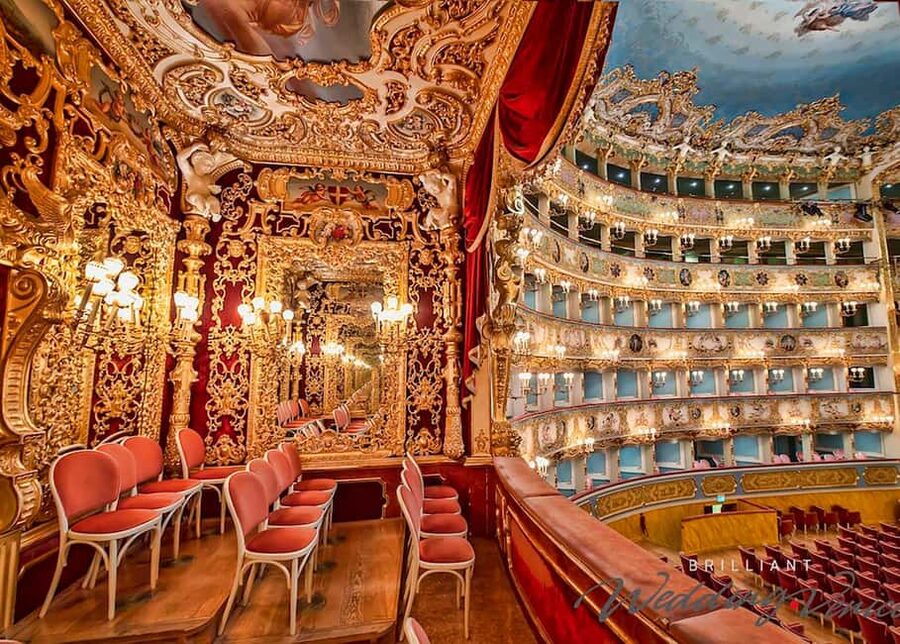
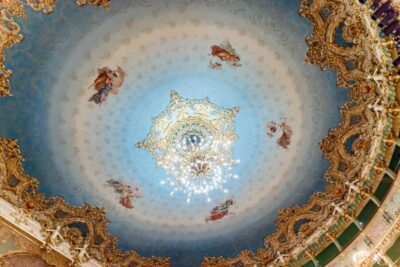
I especially love the contrast between the exterior and the opulent interior—red velvet, gold details, and a chandelier that makes you slow down. I also like how the guide connects names you’ve heard—Rossini and Bellini—with what La Fenice actually did for opera, plus later premieres tied to Stravinsky and Britten.
One thing to keep in mind: this tour is not suitable for wheelchair users, so plan other options if mobility is an issue.
In This Review
- Key things I’d mark on your map
- Teatro La Fenice: the fastest way to feel Venice’s opera heartbeat
- Campo San Fantin meet-up: how to show up without stress
- From modest facade to gilded room: what you’ll actually see
- The Phoenix story: fires, rebuilding, and what resilience means here
- Rossini and Bellini premieres: the opera names that shaped this stage
- Sitting in the auditorium: why the sound earns its reputation
- Behind-the-scenes insights: what “daily operations” means in real terms
- Price and value: is $77 for an hour a smart buy?
- Who should book this tour, and who might skip it
- Should you book Teatro La Fenice?
- FAQ
- How long is the Teatro La Fenice tour?
- Where do I meet the guide?
- Is the tour in English?
- What’s included in the price?
- Is transportation or food included?
- Is this tour suitable for wheelchair users?
- FAQ
- Can I get a refund if I cancel?
- What do I need to bring?
- Is it a private tour?
- Is there an option to pay later?
- What if I book last minute for the same or next day?
- Are the tour stops always in the same order?
Key things I’d mark on your map
- Step inside the auditorium where the sound is part of the story, not just a bonus
- English-led explanations inside (you don’t get the main talk during the short walk)
- La Fenice’s Phoenix story—fires in 1836 and 1996, and the theater’s rebuilds
- Opera premiere highlights spanning Rossini, Bellini, Stravinsky, and Britten
- Behind-the-scenes context about how the theater runs day-to-day
Teatro La Fenice: the fastest way to feel Venice’s opera heartbeat
If Venice is a city of masks and mirrors, La Fenice is the city’s mask—only it’s made of gold trim and stagecraft. This is one of those places where the building itself does some of the emotional work. You’re not just looking at rooms; you’re learning why this theater gained prestige, kept it after disaster, and stayed relevant as opera changed.
The best part is the pacing. In about an hour, you get a guided storyline that moves from the theater’s meaning (the Phoenix) to the people and premieres tied to the stage. That’s a nice fit if you’re juggling canals, museums, and long lines in the same day.
You also come away with a more grounded sense of what “world-class acoustics” means. The tour doesn’t ask you to take that claim on faith—it has you spend time in the auditorium and focus on why the space matters.
Another night of Vivaldi and candle-lit strings
- Venice: Interpreti Veneziani Concert at Church of San Vidal★ 4.8 · 3,256 reviews
- Venice: Vivaldi’s Four Seasons Live Classical Music Concert★ 4.6 · 2,524 reviews
- Venice: Vivaldi’s Four Seasons Concert & Music Museum Visit★ 4.8 · 2,065 reviews
- Venice: Vivaldi Four Seasons Concert at Vivaldi Church★ 4.8 · 1,864 reviews
Campo San Fantin meet-up: how to show up without stress
The meeting point is Campo San Fantin, right at the entrance of Teatro La Fenice. The group meets there, and then the explanation happens once you’re inside, not while you’re walking up.
That small detail matters in Venice. It helps you avoid burning energy on moving through busy streets when you really want your attention on the theater. If you’re good at scheduling, it also makes it easier to pair this with nearby sights.
Bring an ID (passport or ID card). For an experience that’s short and ticket-based, that’s one of those details that can save you from a last-minute headache.
From modest facade to gilded room: what you’ll actually see
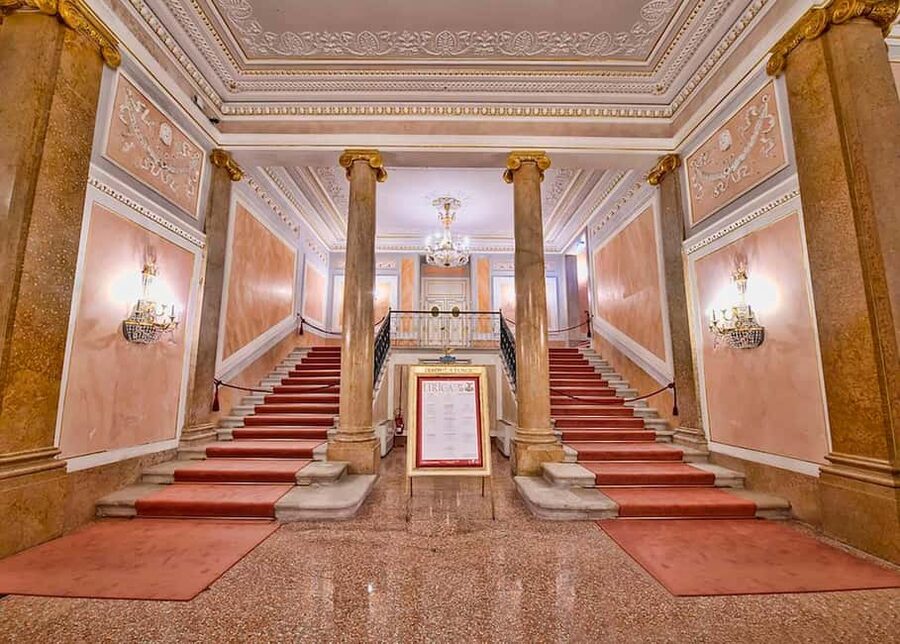
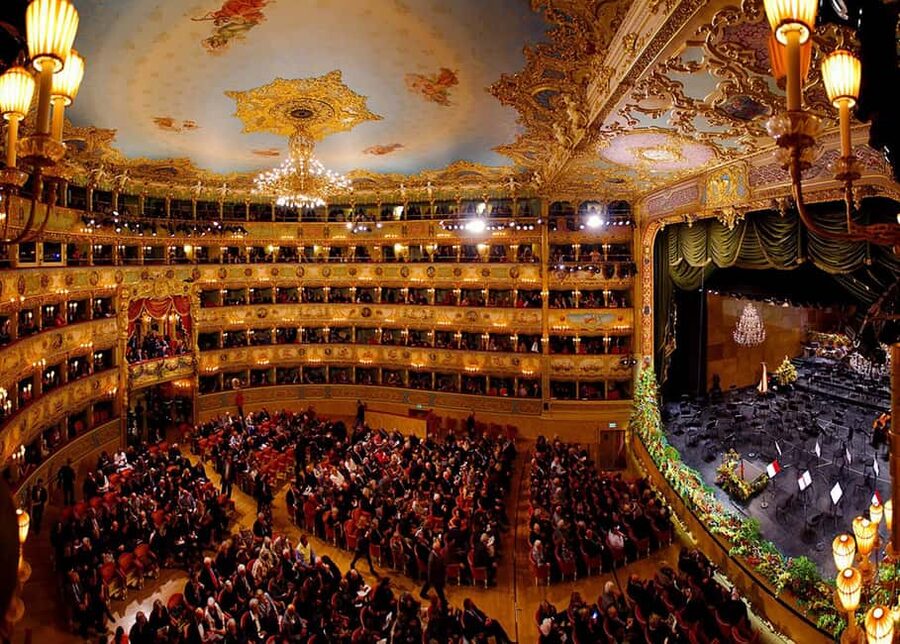
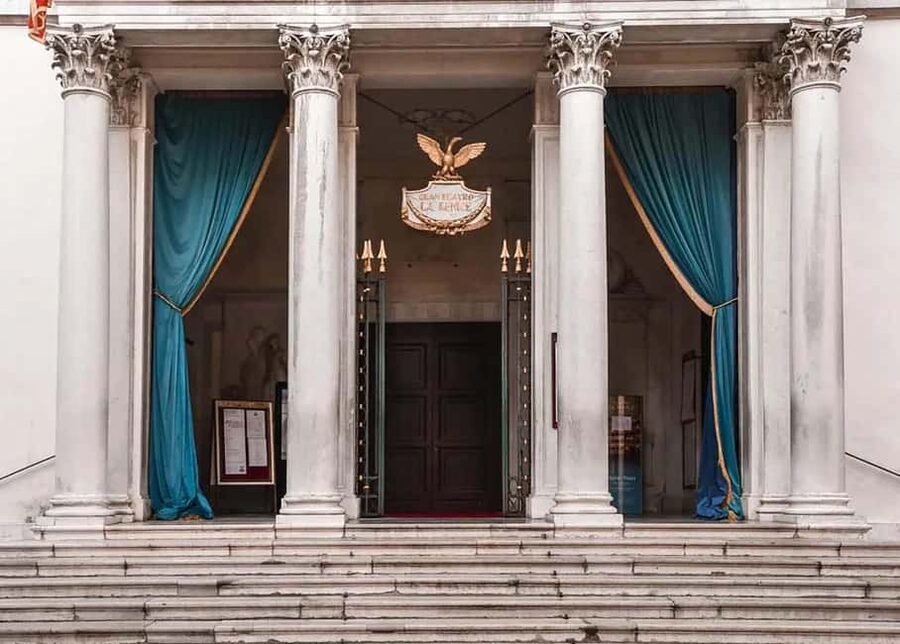
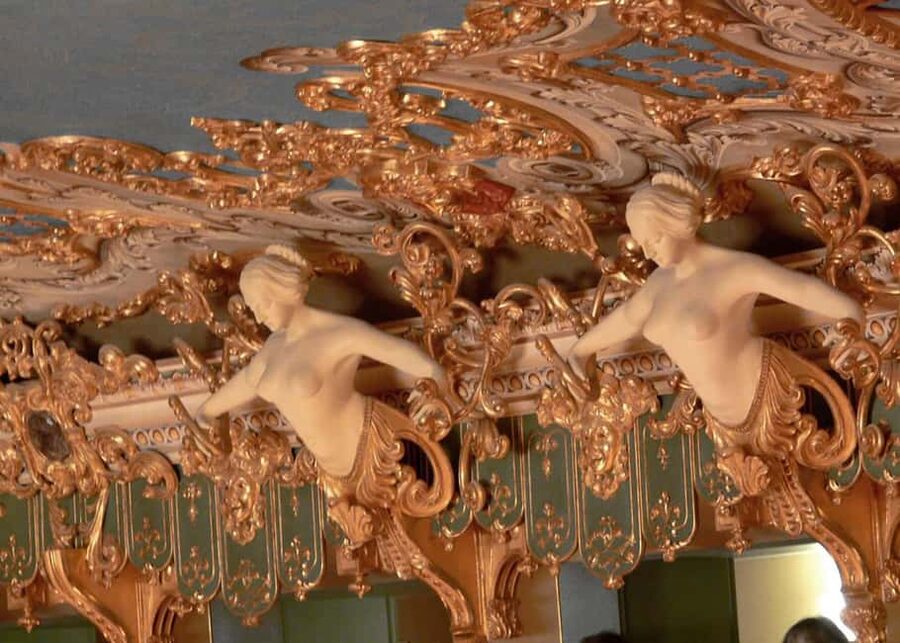
From outside, La Fenice has that understated Venice look. Then you step in and the tone changes fast—gilded details, red velvet seating, and a grand chandelier overhead. It’s the kind of interior that makes you understand why opera feels larger-than-life. The building is basically telling you: performance is serious business here.
Your guide leads you through the key spaces and helps you connect what you’re seeing with what happened on stage. Even if you’re not a lifelong opera fan, the visuals do the persuading. And if you are a lifelong opera fan, it’s a thrill to see how the theater’s design supports the human side of performance—sound, sightlines, and atmosphere all in one place.
In practice, the tour gives you a “before you ever hear music” understanding. You start with architecture and decoration, then you learn why those choices made the experience memorable.
The Phoenix story: fires, rebuilding, and what resilience means here
La Fenice is called The Phoenix for a reason. The name reflects the theater’s history of destruction and rebuilds after major fires—first in 1836, and again in 1996. Standing inside, it feels less like a trivia fact and more like the theater’s personality.
The guide ties that history to Venice’s stubborn commitment to art. It’s not just a building that survived. It’s a symbol that kept returning to its job: staging premieres, bringing artists together, and giving audiences a place to feel something bigger than themselves.
If you like context, you’ll appreciate how the story connects the theater’s turbulence to its creative momentum. After each setback, the theater had to be rebuilt with care—because reputation doesn’t survive by accident.
Rossini and Bellini premieres: the opera names that shaped this stage
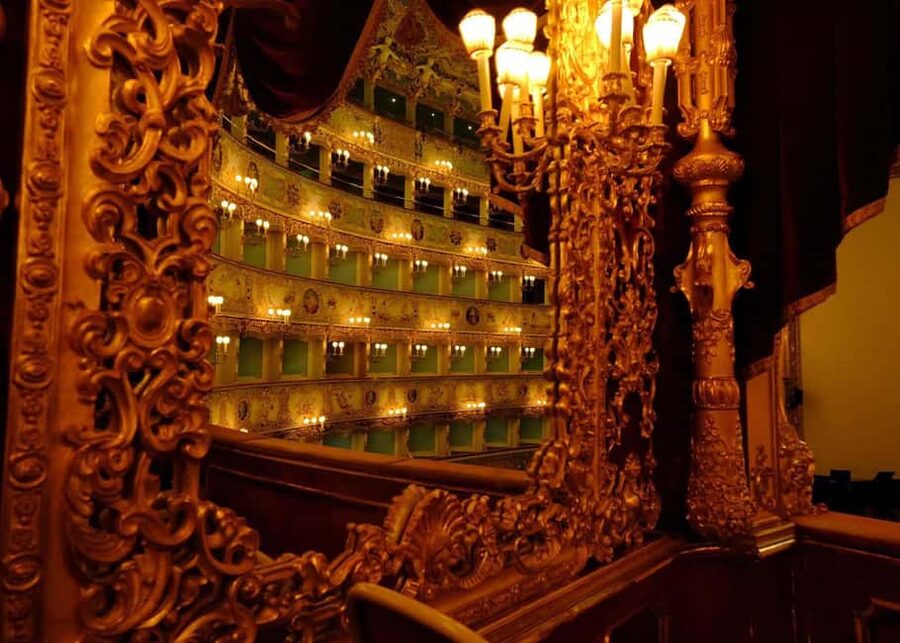
This is one of the most enjoyable parts of the tour because the guide turns famous composers into specific events tied to La Fenice. In the 19th century, the theater became a favorite for Rossini, with operas including Tancredi, Sigismondo, and Semiramide. You don’t just hear titles—you get a sense of how the theater helped launch and define what audiences expected from opera.
Bellini also had major ties here. The tour highlights premieres of I Capuleti e i Montecchi and Beatrice di Tenda. Hearing these names in the rooms where they debuted makes it easier to picture what “first night energy” must have felt like.
Then the tour doesn’t stop at the old masters. It also points to the theater’s ongoing role, including world premieres tied to The Rake’s Progress by Stravinsky and The Turn of the Screw by Britten. That helps you see La Fenice as living culture, not just a museum set piece.

Sitting in the auditorium: why the sound earns its reputation
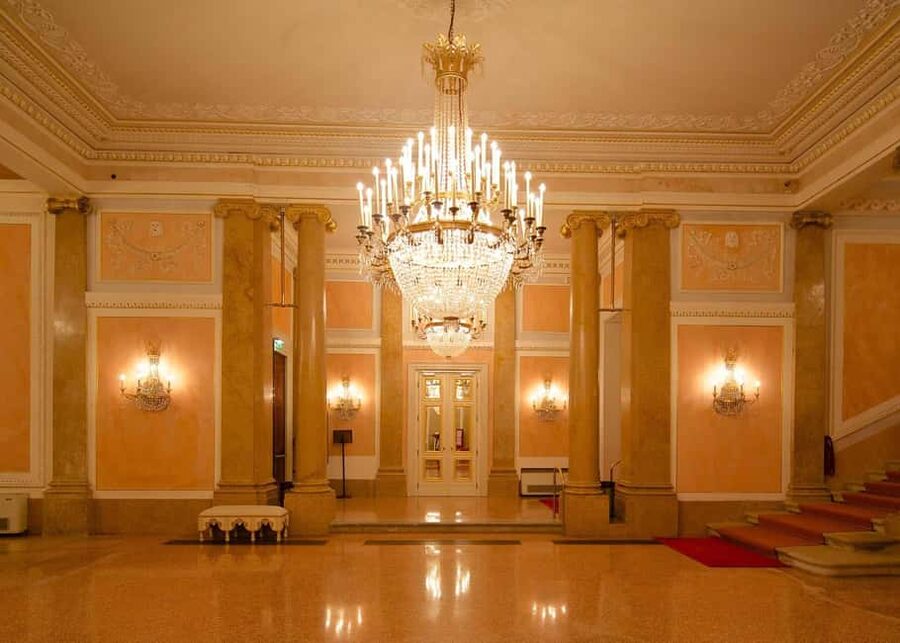
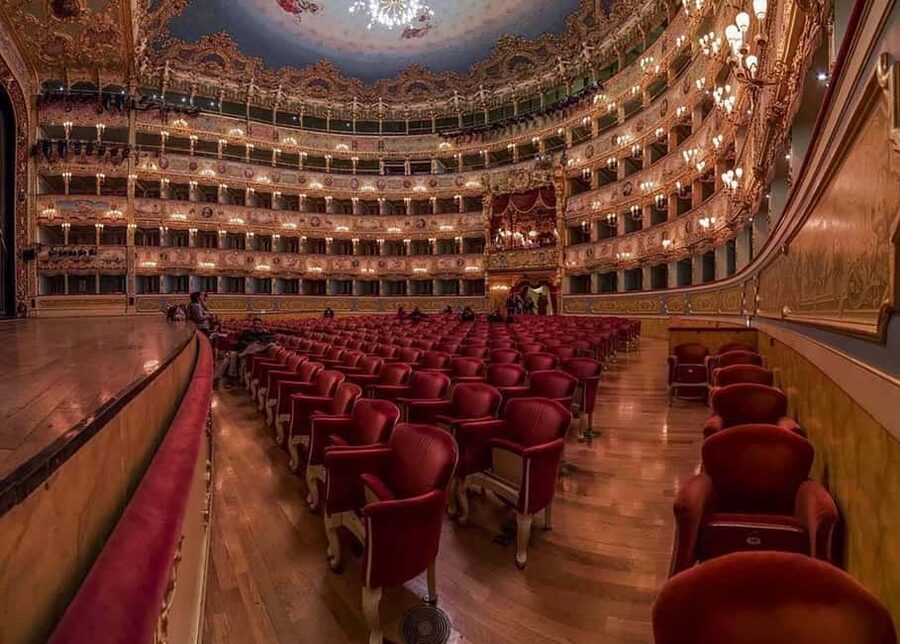
This tour gives you time in the grand auditorium—seats for over 1,000 people, designed to carry sound in a way that supports clarity and drama. You’re told about the kind of forces typically associated with major performances, including a 98-piece orchestra and a 66-member chorus.
Even without a full performance happening during your visit, that info changes how you listen with your eyes. You start noticing the room as an instrument. The architecture isn’t just pretty; it’s functional. When a theater is known for acoustics, it’s usually because its geometry and design help voices and instruments land where they need to.
One practical note: if you’re trying to stay close to photo spots and comfortable angles, remember you’ll be doing this in a shared group setting. Bring patience—La Fenice is popular, and you’re there to learn, not to speed-run.
Behind-the-scenes insights: what “daily operations” means in real terms
La Fenice isn’t treated here like a sealed-off monument. The guide shares behind-the-scenes perspectives on daily theater life—how the space functions and what goes into keeping it performance-ready.
That’s useful even if you only have 60 minutes. It turns your visit from sightseeing into understanding. Opera houses have rules, workflows, and technical realities, and knowing that helps you appreciate why the audience experience can feel so effortless on stage.
Also, hearing how the theater balances historical prestige with modern productions makes the place feel less untouchable. You’re not walking through something frozen in amber—you’re seeing something that continues to do its job.
Price and value: is $77 for an hour a smart buy?
At $77 per person for about 1 hour, this isn’t the kind of ticket you buy on impulse. But it can be good value if you want more than a quick peek. You’re paying for a professional English guide, entrance, and a structured walkthrough that links history, architecture, and specific premieres.
The value shows up in three places:
- You get context around the name, the fires, and the rebuilds (so you understand what you’re seeing).
- You hear specific premiere titles tied to named composers (so your brain has hooks).
- You sit where performances happen and learn why the room matters.
Where it may not be worth it for you: if you’re only after a photo and you already know all the opera facts, you might find the hour a bit structured. But if you want the theater explained in a clear, human way, this kind of guided time tends to pay off.
Who should book this tour, and who might skip it
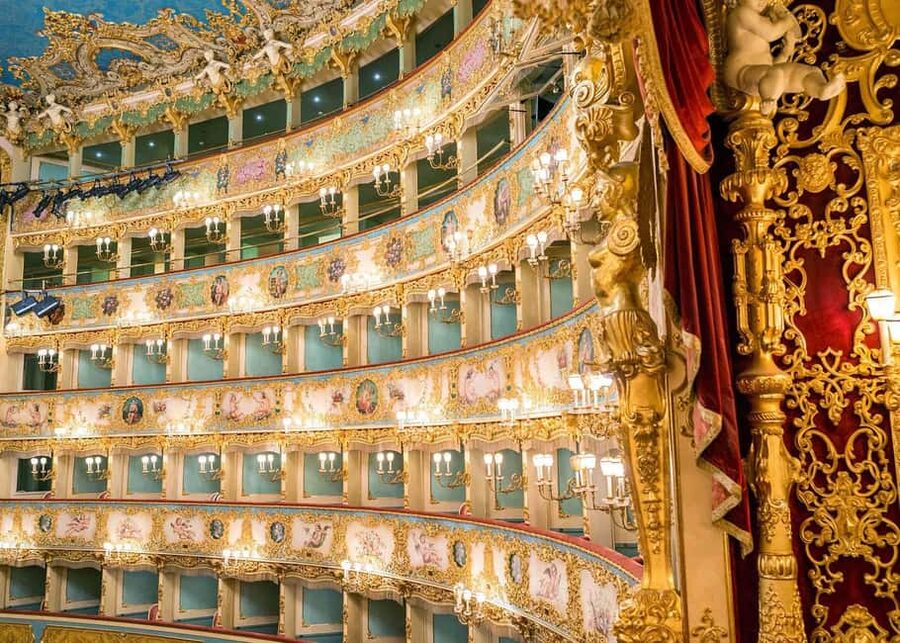
This tour fits best if you:
- Love architecture and want to connect it to performance
- Enjoy opera history and like hearing specific premiere details
- Prefer a short, high-value activity over a long museum day
- Want an English guide to translate the significance clearly
You might skip it if you:
- Need wheelchair access (this one isn’t suitable)
- Are trying to pack so many same-time tours that you’ll be rushed (this visit is short, but it still deserves calm attention)
Should you book Teatro La Fenice?
If you’re in Venice and you want one place that makes opera feel real—sound, design, and story—this is a strong pick. The hour is focused, the interior is spectacular, and the guide’s composer-and-premiere framing makes the visit more than a look-around.
If mobility is an issue or you prefer total freedom with no guide structure, you may want a different kind of visit. Otherwise, book it and treat the auditorium time as the main event.
FAQ
How long is the Teatro La Fenice tour?
It lasts 1 hour.
Where do I meet the guide?
Meet at Campo San Fantin, at the entrance of Teatro La Fenice.
Is the tour in English?
Yes, the tour guide provides the tour in English.
What’s included in the price?
You get a professional guide and entrance to the theater.
Is transportation or food included?
No. Transportation from/to your hotel and food and drinks are not included.
Is this tour suitable for wheelchair users?
No. The tour is not suitable for wheelchair users.
FAQ
Can I get a refund if I cancel?
Yes. There is free cancellation up to 24 hours in advance for a full refund.
What do I need to bring?
Bring a passport or ID card.
Is it a private tour?
No. This is a shared tour.
Is there an option to pay later?
Yes. You can reserve now & pay later.
What if I book last minute for the same or next day?
If there aren’t enough places, you may be placed on the day following the booked date.
Are the tour stops always in the same order?
The order can vary at the guide’s discretion.
More Tours in Venice
- Murano & Burano: Boat Tour with Guide & Glass Factory Visit
★ 4.3 · 10,716 reviews - Doge’s Palace & St. Mark’s Basilica with Terrace Access Tour
★ 4.7 · 10,697 reviews - Venice: Burano, Torcello & Murano Boat Tour w/Glassblowing
★ 4.4 · 10,245 reviews - Murano, Burano and Torcello Half-Day Sightseeing Tour
★ 3.5 · 7,928 reviews - Murano & Burano Islands Guided Small-Group Tour by Private Boat
★ 4.5 · 7,580 reviews - Venice: Doge’s Palace and St Mark’s Basilica Walking Tour
★ 4.4 · 6,291 reviews
More Tour Reviews in Venice
- Venice: Doge’s Palace Reserved Entry Ticket
★ 4.6 · 42,716 reviews - Venice: Grand Canal Gondola Ride with App Commentary
★ 4.1 · 23,020 reviews - Venice: Grand Canal Gondola Experience with Live Commentary™
★ 4.2 · 16,504 reviews - Boat Trip: Glimpse of Murano, Torcello & Burano Islands
★ 4.3 · 15,699 reviews - Venice: La Fenice Opera House Entry Ticket with Audio Guide
★ 4.6 · 11,742 reviews - Murano & Burano: Boat Tour with Guide & Glass Factory Visit
★ 4.3 · 10,716 reviews
Vivaldi by Candlelight, and More
- Venice: La Fenice Opera House Entry Ticket with Audio Guide
★ 4.6 · 11,742 reviews - Venice: Interpreti Veneziani Concert at Church of San Vidal
★ 4.8 · 3,256 reviews - Venice: Vivaldi’s Four Seasons Live Classical Music Concert
★ 4.6 · 2,524 reviews - Venice: Vivaldi’s Four Seasons Concert & Music Museum Visit
★ 4.8 · 2,065 reviews - Venice: Vivaldi Four Seasons Concert at Vivaldi Church
★ 4.8 · 1,864 reviews - Venice: The Three Tenors Concert Ticket
★ 4.8 · 1,183 reviews
Fresh Off the Vaporetto: New Venice Reviews
Vivaldi Concerts & Venetian Opera, compared.
 ★ 4.6La Fenice Opera House Entry Ticket with Audio GuideFrom $1411,742 reviews
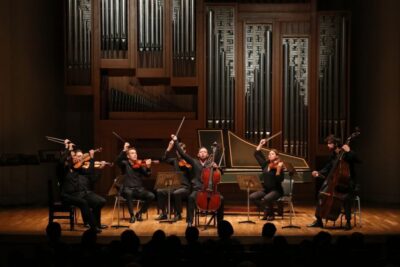 ★ 4.8Interpreti Veneziani Concert at Church of San VidalFrom $373,256 reviews
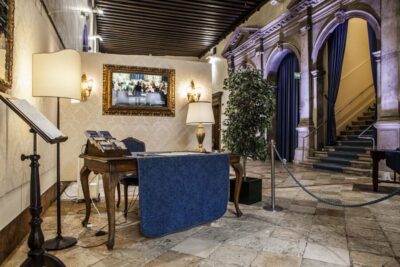 ★ 4.6Vivaldi’s Four Seasons Live Classical Music ConcertFrom $412,524 reviews
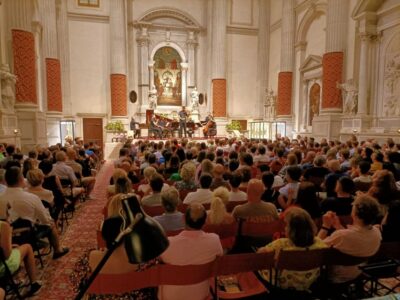 ★ 4.8Vivaldi’s Four Seasons Concert & Music Museum VisitFrom $462,065 reviews
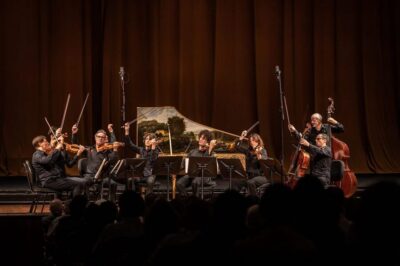 ★ 4.8Vivaldi Four Seasons Concert at Vivaldi ChurchFrom $421,864 reviews
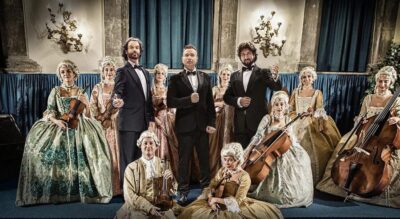 ★ 4.8The Three Tenors Concert TicketFrom $391,183 reviews
 ★ 4.5I Musici Veneziani Concert: Vivaldi Four SeasonsFrom $42945 reviews
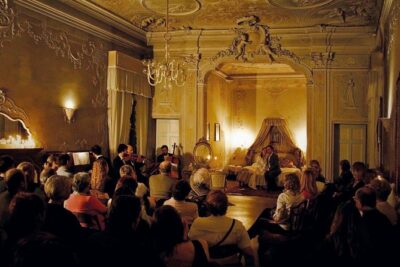 ★ 4.5Musica a Palazzo ‘Traveling Opera’ Performance in VeniceFrom $117722 reviews
Browse the lists this tour appears in