
Review · HISTORICAL TOURS
Venice: Natural History Museum Entry Ticket
Dinosaurs, fossils, and a grand palazzo in Venice. This Natural History Museum entry ticket is a smart one-day stop because you get high-impact prehistoric specimens plus a surprisingly atmospheric setting right on the Grand Canal edge. What I like most is how the building itself feels like part of the experience, and how the upstairs highlights focus on real fossil stars like the giant Ouranosaurus display.
The museum is also a great family visit, since the collections span plants, animals, fossils, and even ethnographic material in room-after-room layouts. One consideration: there’s quite a bit of taxidermy and stuffed-animal displays, and if you’re counting on lots of English text, you might want to plan for self-reading tools.
In This Review
- Key Things You’ll Want to Notice
- Where the Natural History Museum Fits Into Venice Plans
- The 13th-Century Building: A View First, a Museum Second
- Your Best “One-Day” Route Through 2 Million Objects
- Step 1: Start where your interests are strongest
- Step 2: Use the museum’s rooms like chapters
- Step 3: Plan a break, not just a sprint
- Dinosaur Floor: Ouranosaurus and Prehistoric Crocodile Stars
- The Sarchosuchus imperator Skull: A Real Africa Connection
- Natural World Rooms, Touch-Friendly Moments, and the Cabinet of Curiosity Feel
- A Library Room With 40,000 Books (Yes, It Matters)
- Ethnographic Collections: What You’ll See Beyond Fossils
- Practical Value: Ticket Price, When to Go, and How to Make It Easy
- About language support
- Who This Museum Is Best For
- Should You Book This Venice Natural History Museum Entry Ticket?
- FAQ
- Is this ticket for a guided tour?
- How long should I plan to spend at the Venice Natural History Museum?
- When is the museum open, and when is it closed?
- Do I need to pay Venice’s Access Fee in 2025?
- Is admission free for some visitors?
- Is the museum wheelchair accessible?
Key Things You’ll Want to Notice
- A Grand Canal palazzo setting that’s beautiful enough to frame with your camera before you even enter
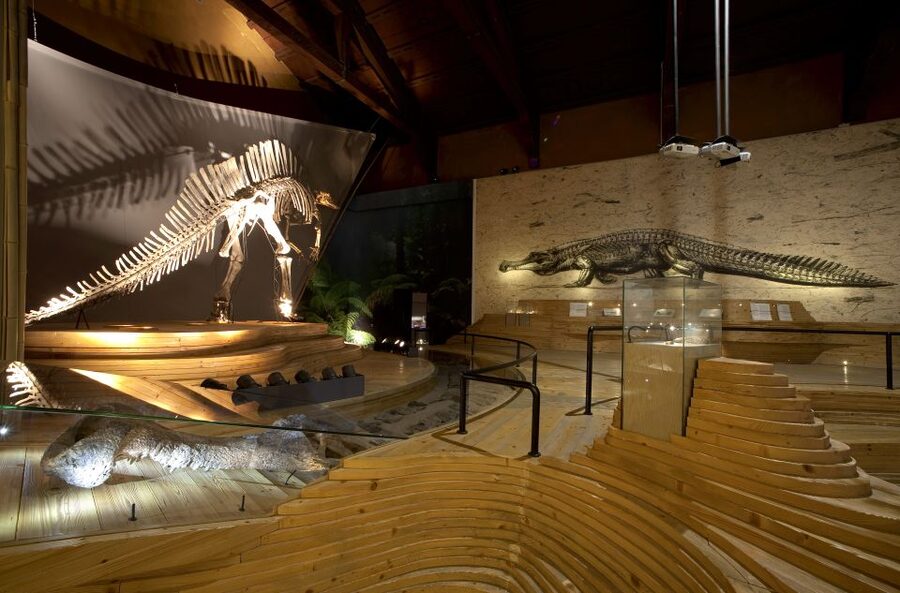
- Upstairs dinosaur highlights featuring a 7m Ouranosaurus skeleton and prehistoric crocodiles
- Sarchosuchus imperator skull tied to African discovery, a standout science moment
- 2 million objects on display, but organized so you can choose your route instead of getting lost
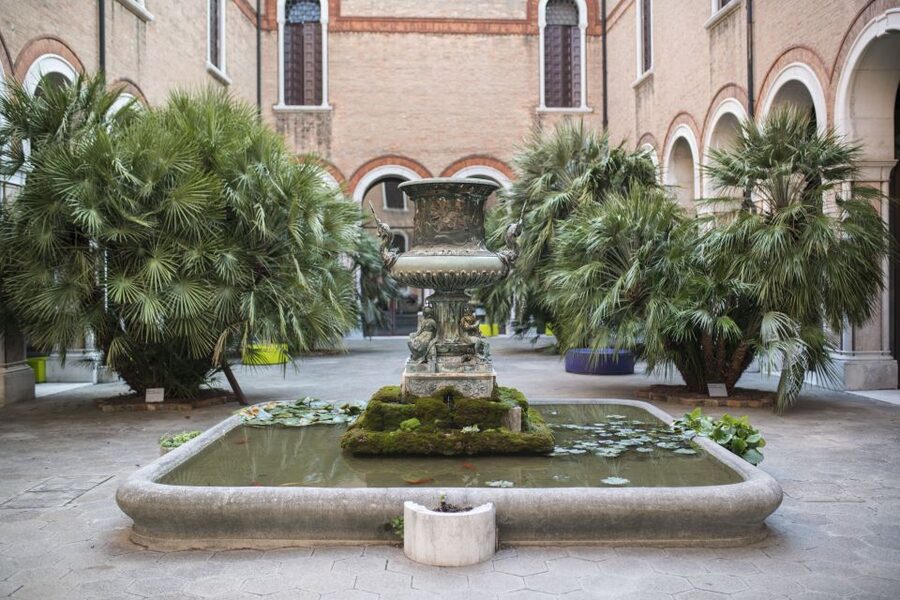
- A calm break from crowds, with terrace/garden-style space and an overall quieter feel
- A library room with 40,000 books, for a different side of the museum beyond fossils
Where the Natural History Museum Fits Into Venice Plans
The Natural History Museum sits in Venice’s Veneto region and is easy to reach once you orient yourself to the Grand Canal area. The museum’s location is useful for planning because you can build your day around Venice scenery first, then switch gears to a climate-controlled, calmer visit.
This ticket is self-paced. There’s admission included, but no guide. That matters: you’ll get the most value if you decide in advance what you want to prioritize (dinos, fossils, natural world displays, or the library/collections). The museum is big on things to see, but you do not have to do every room to have a good day.
Worth weighing up before you book this Venice outing:
- Venice: Doge’s Palace Reserved Entry Ticket★ 4.6 · 42,716 reviews
- Venice: La Fenice Opera House Entry Ticket with Audio Guide★ 4.6 · 11,742 reviews
- Venice: Leonardo Da Vinci Museum Entrance Ticket★ 4.5 · 3,560 reviews
- Venice: St. Mark’s Basilica & Doge’s Palace Tour with Ticket★ 4.7 · 3,375 reviews
The 13th-Century Building: A View First, a Museum Second
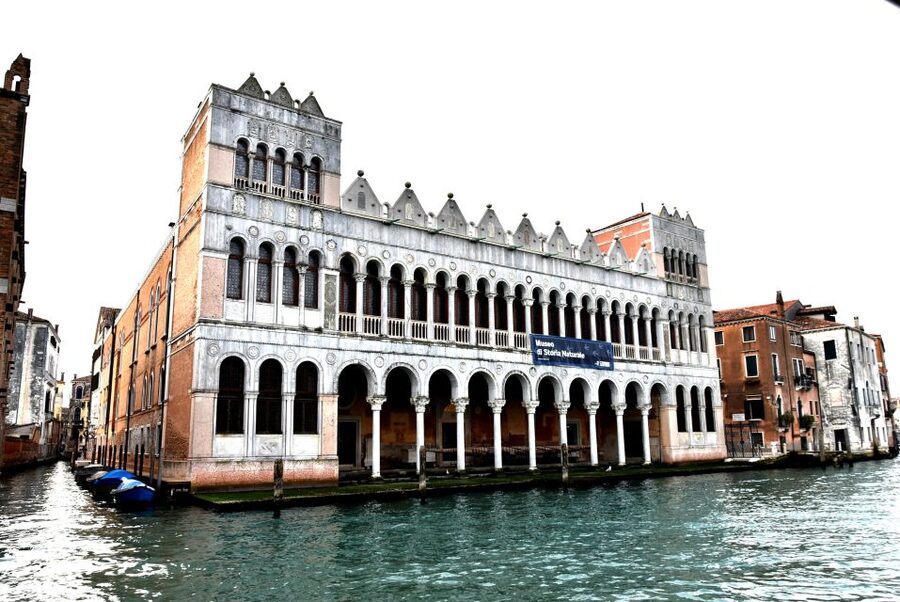
Before you even start the exhibits, take a few minutes with the building. The museum is in a 13th-century palazzo, and its Grand Canal edge setting makes it feel like a place you’re stepping into, not just passing through. If you like photos, this is one of those stops where the exterior is worth the pause.
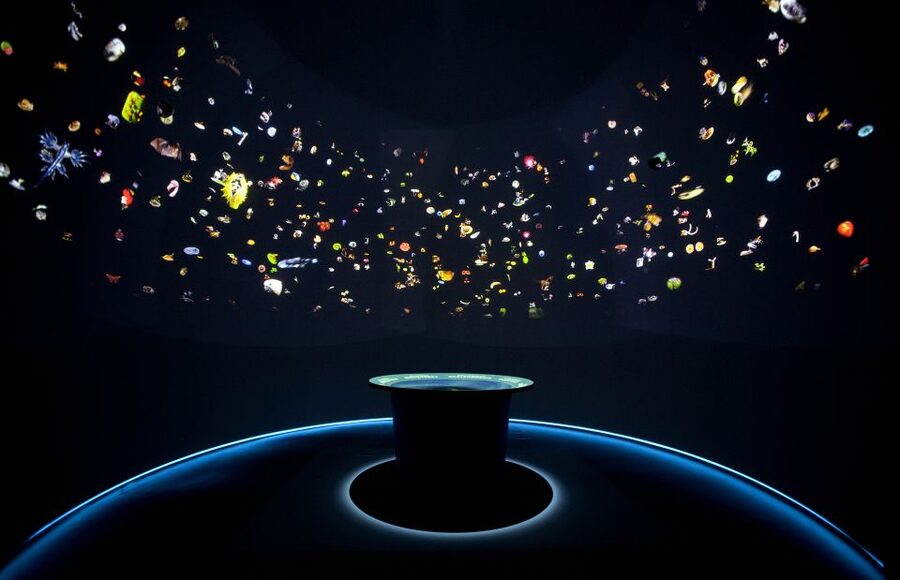
Inside, the layout keeps things interesting. The museum is organized in themed rooms, and one of the nice touches is that some rooms use thematic audio or atmospheric presentation to guide the feel of each collection. It’s not just objects behind glass. The presentation helps you slow down and look longer.
If you’re visiting on a day when some sections are closed, don’t interpret it as a bad sign. You may simply find fewer rooms accessible and a smaller “slice” of what’s normally shown. Either way, the main fossil areas are still worth building your route around.
Your Best “One-Day” Route Through 2 Million Objects
The museum’s collections are enormous—around 2 million historical objects—so the trick is to move with intention. Here’s how I’d structure a one-day visit so you don’t burn time wandering aimlessly.
Step 1: Start where your interests are strongest
Go straight to what’s likely to hold your attention. If your goal is dinosaur fossils, plan to head upstairs early. If your goal is natural world exhibits and curiosities, start at the ground-level rooms first and work forward.
Step 2: Use the museum’s rooms like chapters
The exhibits are presented in room sets rather than one long hallway. That makes it easier to pick and choose. You can spend longer in the sections that hit your interests and skip the rest without feeling like you missed the “entire point.”
Deeper into the old Republic




Step 3: Plan a break, not just a sprint
A few visitors specifically note a visit length around 40–60 minutes, which tells you the museum can fit into a busy Venice day. Still, if you enjoy slow museum time, you can stretch it. The key is that the museum doesn’t require a full-day commitment to be satisfying.
Dinosaur Floor: Ouranosaurus and Prehistoric Crocodile Stars
If you only have time for one “big moment,” make it the dinosaur/prehistoric area upstairs. This is where the museum focuses on the fossils people remember.
The headline is the Ouranosaurus nigeriensis—a skeleton listed as more than 7 meters long. Seeing a creature at that scale changes how you understand dinosaurs. Instead of a diagram, it’s a physical presence. That effect is why this display works for both kids and adults: it’s hard to stay unimpressed.
You’ll also find prehistoric crocodiles in the same upstairs region. The fossil-to-life comparison is the point. You get the chance to look at ancient life as a whole set of related forms, not as isolated “cool rocks.”
The Sarchosuchus imperator Skull: A Real Africa Connection
Another major draw is the Sarchosuchus imperator skull. The museum presents it as discovered in Africa, which gives the dinosaur/crocodile story an origin point beyond “somewhere long ago.”
This is the kind of exhibit that rewards careful looking. Skulls tell you a lot: shape, proportions, and how scientists interpret feeding and lifestyle from bone structure. Even if you’re not a fossil nerd, you’ll likely feel that this is different from the usual TV-style dinosaur talk. It’s the actual specimen center stage.
Natural World Rooms, Touch-Friendly Moments, and the Cabinet of Curiosity Feel
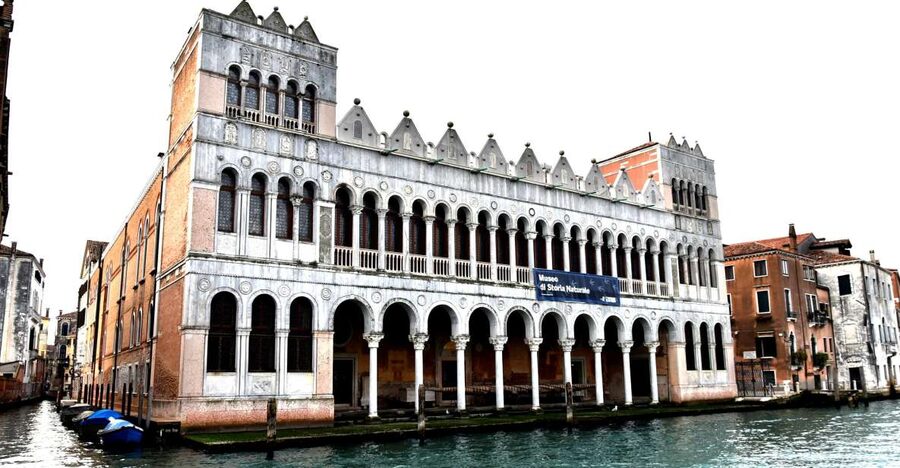
Outside the dinosaur area, the museum still keeps things lively. You’ll see natural world displays with plants and animals alongside the fossil themes. One of the most-liked aspects of the experience is how the presentation feels modern in the best sections, especially where fossils and ancient life are shown with clear structure.
You might also encounter interactive-feeling items. Some exhibits are set up so you can touch certain examples, which is a strong advantage for families. Kids usually don’t want to stand still for long, and touch elements help them engage without turning the visit into a constant explanation.
Another detail that adds charm: the museum experience includes a cabinet of curiosity type of room or area feel. It’s the right pacing break from big fossil sculptures—more varied and more “people collected things like this once,” which is a fun mindset shift.
A Library Room With 40,000 Books (Yes, It Matters)
One of the highlights is the museum library collection, listed at over 40,000 books. This isn’t the same as the usual “look at objects only” museum approach. It gives you a sense of how knowledge builds: specimens plus documentation.
Even if you’re not reading every title, seeing the library conceptually supports the museum’s purpose. Fossils and natural history collections aren’t just about old things. They’re about research, classification, and the long chain of people recording what they found.
If you like museums that offer both science and culture, this is a quietly satisfying inclusion.
Ethnographic Collections: What You’ll See Beyond Fossils
The museum’s scope isn’t only prehistoric life. It also includes ethnographic collections alongside zoological specimens and other natural history displays. That variety can be a win for mixed-age groups, because it gives you a second set of “hooks” when someone finishes the dinosaur highlights.
It also changes the emotional tone. Fossils are big and dramatic. Ethnography often feels more human-scale—objects and recordings that connect culture, everyday life, and historical perspectives. Even if it’s not your main interest, having it in the same visit helps the museum feel like a fuller picture of how humans study the world.
Practical Value: Ticket Price, When to Go, and How to Make It Easy
The price is listed as $11 per person, and that’s a big part of why this works. For the money, you’re not just buying entry—you’re buying a one-day plan with major dinosaur moments and a memorable building setting, without needing to add a paid guide.
Here are the practical factors that affect value:
- Hours and last admission: until May 31, it’s open 9:00AM–5:00PM (last admission 4:00PM). From June 1, hours shift to 10:00AM–6:00PM (last admission 5:00PM).
- Closed day: the museum is closed on Monday, so avoid planning it as your first-day fallback.
- Access Fee in 2025: between 18 April 2025 and 27 July 2025, Venice requires an Access Fee on certain days for visitors, with some exemptions. Check cda.ve.it for dates, methods, and whether you qualify for an exemption.
- Free admission rules: Venetian citizens, residents, children under 5, and disabled people get free admission (details can change, so keep an eye on official updates).
- Facilities: the museum has lockers for your backpack, toilets, and a shop, including children-friendly options.
About language support
One helpful thing you can control: get information support you’ll actually use. There’s a note from a visitor about choosing a voice guide in English (listed as $10). If you’re the type who likes context while you walk, this is often worth it—especially in a museum where some signage may not be in English.
Who This Museum Is Best For
This is a strong fit for:
- Families with kids who enjoy fossils and big dinosaur scale
- Adults who like structured rooms with themed presentation (not just scattered signage)
- Anyone who wants a rainy-day option that doesn’t feel like a chore
- Visitors who want a slower stop away from Venice’s busiest streets
It may be less ideal if:
- You strongly dislike taxidermy or stuffed-animal displays
- You need a fully guided, scripted explanation (this ticket is admission-only, no guide included)
Should You Book This Venice Natural History Museum Entry Ticket?
Yes, I’d book it if you want a high-value, one-day Venice indoor option that delivers real highlights: the Ouranosaurus scale moment, the Sarchosuchus skull, and the chance to see how natural history collections connect science with culture. The setting helps too: the palazzo-and-Grand-Canal vibe makes the museum feel special even before you reach the exhibits.
If you’re traveling with kids, this ticket is especially practical. It’s easy to pace, you can focus on the upstairs fossil area, and you still have plenty of variety to keep attention from wandering.
But if taxidermy discomfort is a dealbreaker for you, or you need heavy English-language interpretation throughout every room, plan differently (or bring your own translation approach and consider the English voice guide if available).
FAQ
Is this ticket for a guided tour?
No. This is admission only. A guide is not included.
How long should I plan to spend at the Venice Natural History Museum?
It’s commonly done in about 40–60 minutes, but you can take longer if you want to read more and slow down through multiple rooms.
When is the museum open, and when is it closed?
The museum is closed on Monday. From May 31 back it follows 9:00AM–5:00PM (last admission 4:00PM). From June 1 it’s open 10:00AM–6:00PM (last admission 5:00PM).
Do I need to pay Venice’s Access Fee in 2025?
Between 18 April 2025 and 27 July 2025, an Access Fee may be required on certain days unless you qualify for specific exemptions. Check cda.ve.it for the dates, payment details, and whether you’re exempt.
Is admission free for some visitors?
Yes. Venetian citizens, residents, children under 5, and disabled people get free admission.
Is the museum wheelchair accessible?
Yes, it is listed as wheelchair accessible.
The Old Republic, Toured Properly
- Venice’s Best: Basilica, Doge’s Palace, Gondola & History Gallery
★ 4.5 · 2,478 reviews - Venice: City Center Historical Guided Walking Tour
★ 4.2 · 1,873 reviews - Venice: The History of St. Mark’s Basilica Tour
★ 4.2 · 986 reviews - Venice: Bell Tower & St Mark’s Square History Gallery Ticket
★ 4.3 · 910 reviews - Basilica, Doge’s Palace, History Gallery & Bell Tower Option
★ 5.0 · 586 reviews - Venice: Doge’s Palace Historic Mysteries Guided Tour
★ 3.7 · 238 reviews
More Tickets in Venice
- Venice: Doge’s Palace Reserved Entry Ticket
★ 4.6 · 42,716 reviews - Venice: La Fenice Opera House Entry Ticket with Audio Guide
★ 4.6 · 11,742 reviews - Venice: Leonardo Da Vinci Museum Entrance Ticket
★ 4.5 · 3,560 reviews - Venice: St. Mark’s Basilica & Doge’s Palace Tour with Ticket
★ 4.7 · 3,375 reviews - Venice: Palazzo Contarini del Bovolo Entrance Ticket
★ 4.3 · 1,991 reviews - Doge’s Palace & St. Mark’s Basilica Tickets + Tour Options
★ 4.5 · 1,841 reviews
More Tour Reviews in Venice
- Venice: Doge’s Palace Reserved Entry Ticket
★ 4.6 · 42,716 reviews - Venice: Grand Canal Gondola Ride with App Commentary
★ 4.1 · 23,020 reviews - Venice: Grand Canal Gondola Experience with Live Commentary™
★ 4.2 · 16,504 reviews - Boat Trip: Glimpse of Murano, Torcello & Burano Islands
★ 4.3 · 15,699 reviews - Venice: La Fenice Opera House Entry Ticket with Audio Guide
★ 4.6 · 11,742 reviews - Murano & Burano: Boat Tour with Guide & Glass Factory Visit
★ 4.3 · 10,716 reviews
Fresh Off the Vaporetto: New Venice Reviews


Historical Tours, compared.
 ★ 4.5Venice’s Best: Basilica, Doge’s Palace, Gondola & History GalleryFrom $1292,478 reviews
 ★ 4.2City Center Historical Guided Walking TourFrom $141,873 reviews
 ★ 4.2The History of St. Mark’s Basilica TourFrom $34986 reviews
 ★ 4.3Bell Tower & St Mark’s Square History Gallery TicketFrom $44910 reviews
 ★ 5.0Basilica, Doge’s Palace, History Gallery & Bell Tower OptionFrom $116586 reviews
 ★ 3.7Doge’s Palace Historic Mysteries Guided Tour238 reviews
 ★ 3.5St. Mark’s Cathedral Priority Guided Tour & History GalleryFrom $33148 reviews
 ★ 4.8Venice, Submarine Enrico Dandolo and Naval History MuseumFrom $30109 reviews
Browse the lists this tour appears in