
Review · CANNAREGIO & JEWISH GHETTO TOURS
Venice: Private Cannaregio and Jewish Quarter Tour
Venice stops pretending when you hit Cannaregio. On this private Cannaregio and Jewish Quarter walk, I like how you get past palace facades and quiet canals without the usual crowds, then switch gears with an expert guide on Jewish history as you enter the ghetto. Along the way, you’ll also hit Tintoretto-linked sights and views toward the northern lagoon.
One thing to plan around: this walk doesn’t run on Saturdays, when the synagogue and most shops in the area are closed.
In This Review
- Key things you’ll notice on this tour
- Cannaregio and the Jewish Ghetto: Two Venice stories in one walk
- Starting at Campo San Bortolomio: where the walk actually begins
- Campo dei Mori: the neighborhood corner that sets the tone
- Following the Tintoretto thread through Cannaregio
- Madonna dell’Orto Church: Tintoretto’s church and his burial place
- Sant’Alvise Church: a pause that adds architectural context
- Entering the Jewish Ghetto over the bridges
- Life inside the Ghetto today: history that still functions
- The private format: small group pacing and real guide time
- Price and value: what $150.10 buys you
- Practical tips to make the 2 hours work
- Who should book this tour (and who might skip it)
- Should you book this Venice Cannaregio and Jewish Quarter tour?
- FAQ
- What’s the meeting point for the tour?
- How long is the tour?
- Is this tour wheelchair accessible?
- Are entrance fees included for churches or museums?
- What language options are available?
- Does the tour run on Saturdays?
- What’s the group size?
Key things you’ll notice on this tour
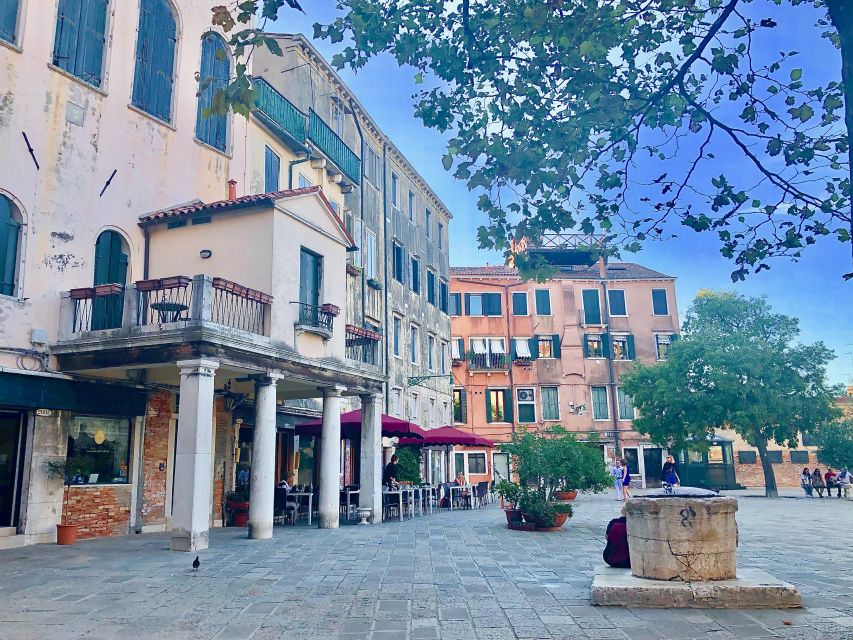
- Campo San Bortolomio meeting point right by the Rialto area, easy to find with a guide holding your name sign
- Tintoretto connections in Cannaregio, including the place tied to his burial and the church often called his church
- Campo dei Mori and older neighborhood corners, where the stories feel woven into the streets
- The Jewish Ghetto’s timeline, from early 14th-century beginnings through the 1516 Senate decision
- A guide who explains daily life, including kosher shops, a library, and synagogues that serve Jewish Venetians today
Cannaregio and the Jewish Ghetto: Two Venice stories in one walk
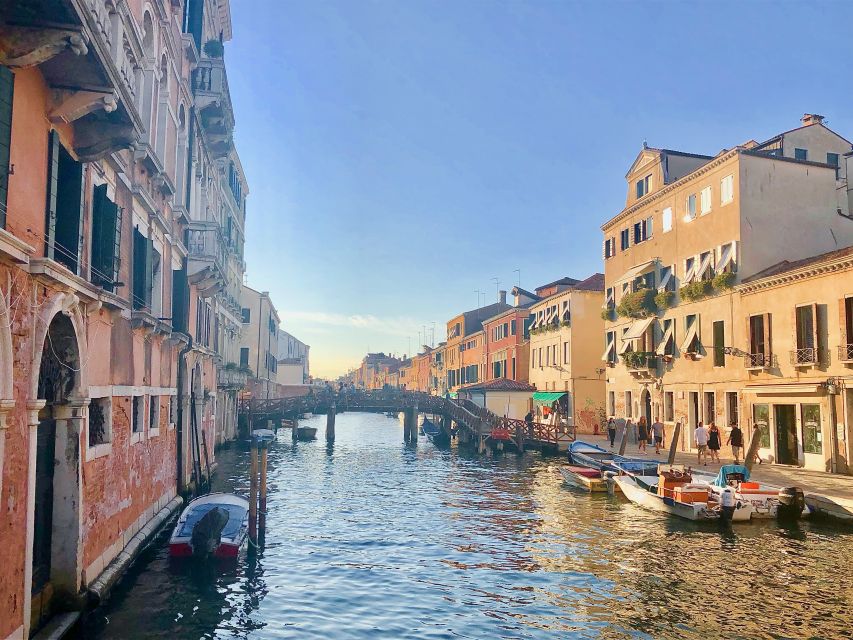
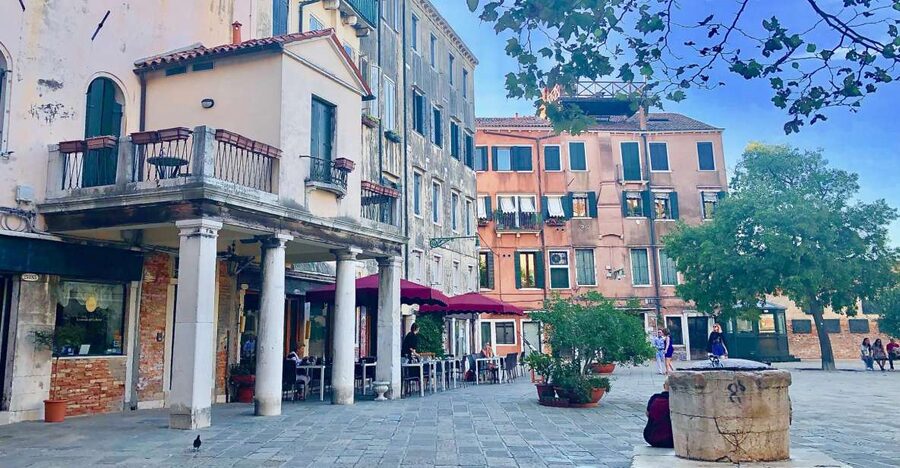
Venice has a few poster-board neighborhoods. Cannaregio is different. It’s where you feel the city working at human speed—smaller streets, old facades, and neighborhoods that don’t feel arranged for photos. On this private 2-hour tour, you’re guided through the area with enough context that the buildings start to make sense, not just look pretty.
Then you cross into the Jewish Quarter, and the mood changes. Your guide talks history in a way that sticks—how the ghetto became a closed area inside the city, why entry matters, and what life looked like over time. I love that you’re not just shown landmarks; you’re taught how to read the neighborhood like a living document.
And yes, there’s art in the mix. Tintoretto’s presence shows up through places connected to his life and the church that’s strongly associated with his work. It’s a smart combo: art for the eyes, history for the mind, and streets for both.
Deeper into Cannaregio and the old Ghetto
- Venice: Guided Tour of the Jewish Ghetto and Synagogue Visit★ 4.4 · 610 reviews
- Venice: Jewish Ghetto Walking Tour with Synagogue Visits★ 4.7 · 379 reviews
- Venice: Cicchetti, Spritz, and Wine Tour in Ghetto Ebraico★ 4.9 · 315 reviews
- Venice: Jewish Ghetto & Cannaregio Area Food Tour: Pasta Wine Gelato and More!★ 4.5 · 274 reviews
Starting at Campo San Bortolomio: where the walk actually begins
You meet at Campo San Bortolomio, in front of the statue of Goldoni, about a 1-minute walk from the Rialto bridge. Being near the Rialto area helps you get your bearings quickly, especially if it’s your first day in Venice.
This matters more than it sounds. Venice is a maze, and you don’t want to start your tour circling canals while the group gets going. Plan to arrive 15 minutes early so your guide can check you in and you can settle into the pace.
At the end, the tour returns you back to the meeting point area. So you’re not left hunting for a bus that doesn’t exist.
Campo dei Mori: the neighborhood corner that sets the tone
The walk kicks off with a guided stop at Campo dei Mori. This is the kind of place that works as a story anchor: it’s a square where you can pause, look around, and let your guide connect what you’re seeing to the bigger picture.
From here, you’re moving through Cannaregio’s older streets where the past shows up in the details—palace facades, houses tied to earlier merchant communities, and the sense that Venice has always had layers of people trading, settling, worshipping, and changing over time. Even when you’re not at a major monument, you’re getting useful context.
You’ll also hear about views toward the northern lagoon, which helps break up the walking with a wider sense of where Venice sits.
Following the Tintoretto thread through Cannaregio
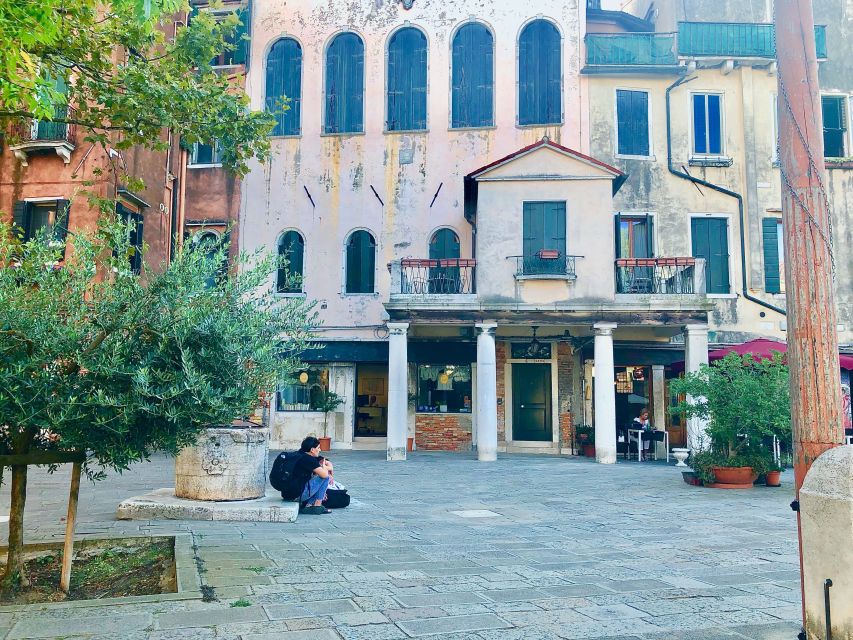
Cannaregio is connected to Tintoretto, and this tour uses that connection well. Your guide points you to the neighborhood area tied to where he once lived, then builds the story around his life and his artistic peers.
This is where the tour feels especially good for art lovers. Instead of treating Tintoretto like a name on a museum wall, you’re placing him into the geography of Venice. That shift makes the art stop feel more personal.
You’ll pass through streets that feel more residential than central tourist Venice, and the pacing stays realistic. You’re walking enough to feel the neighborhood, but not so long that the history becomes background noise.
Madonna dell’Orto Church: Tintoretto’s church and his burial place
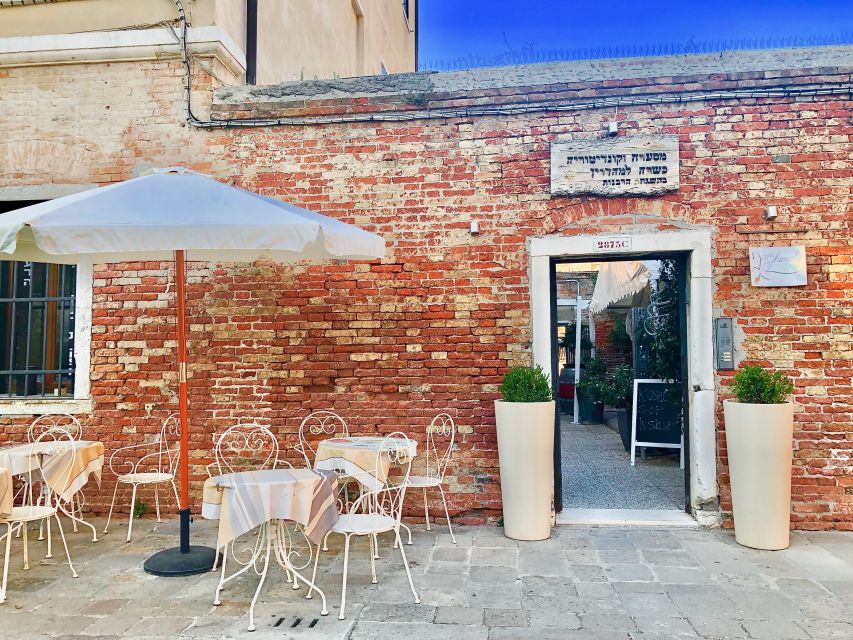
One of the standout moments is the stop at Madonna dell’Orto, where your guide leads you to a church that’s often called Tintoretto’s church. This is the place where the tour’s art focus becomes real.
Inside (and this is key for planning), entrance fees are not included. So if you want to see the collection tied to Tintoretto in full, you’ll need to budget extra for the ticket. The tour still takes care of guiding you there and keeping the experience coherent, but you should expect to pay separately for admission.
This church also connects directly to Tintoretto’s story in a very specific way, including the place associated with his burial. Even if you’re not a hardcore Tintoretto fan, this stop is valuable because it gives you a concrete point where art history and Venice street life overlap.
More just-your-group bookings



Sant’Alvise Church: a pause that adds architectural context
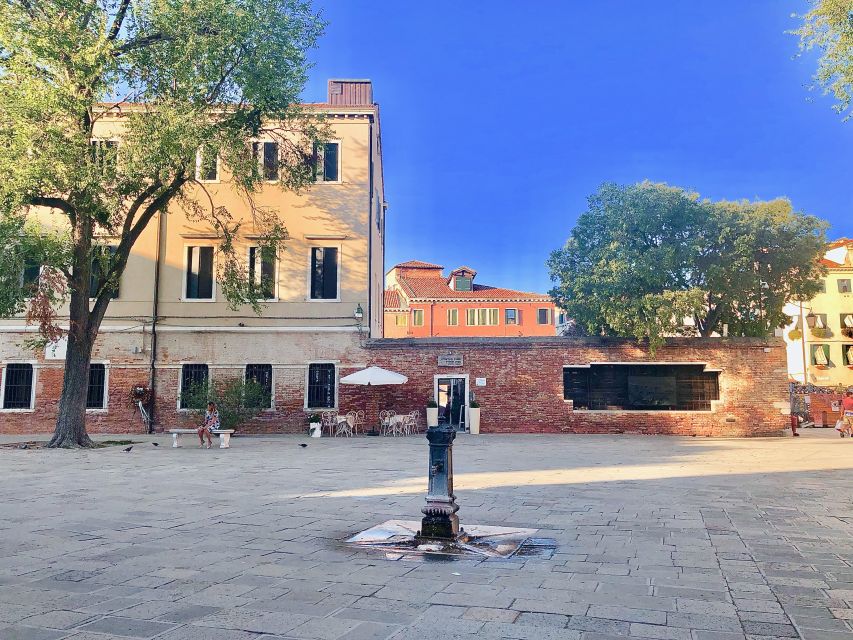
Before the tour heads toward the Jewish Ghetto, there’s a guided stop at Sant’Alvise Church. This isn’t just a quick glance. Your guide uses it as another way to read the neighborhood—how religious buildings sit within the city’s changing social map.
It also acts as a rhythm-break. Walking Venice all at once can blur the details. This kind of stop helps you reset attention so the ghetto portion lands harder.
Entering the Jewish Ghetto over the bridges
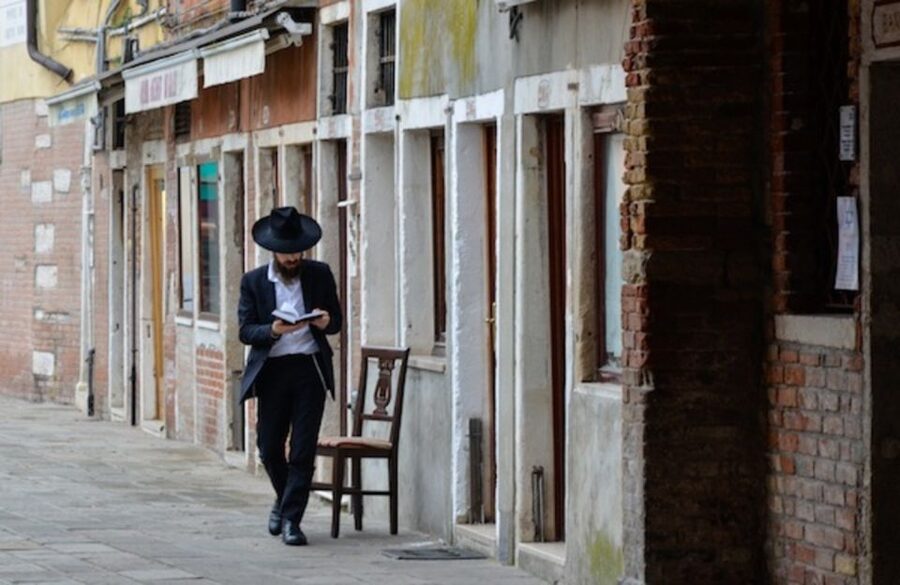
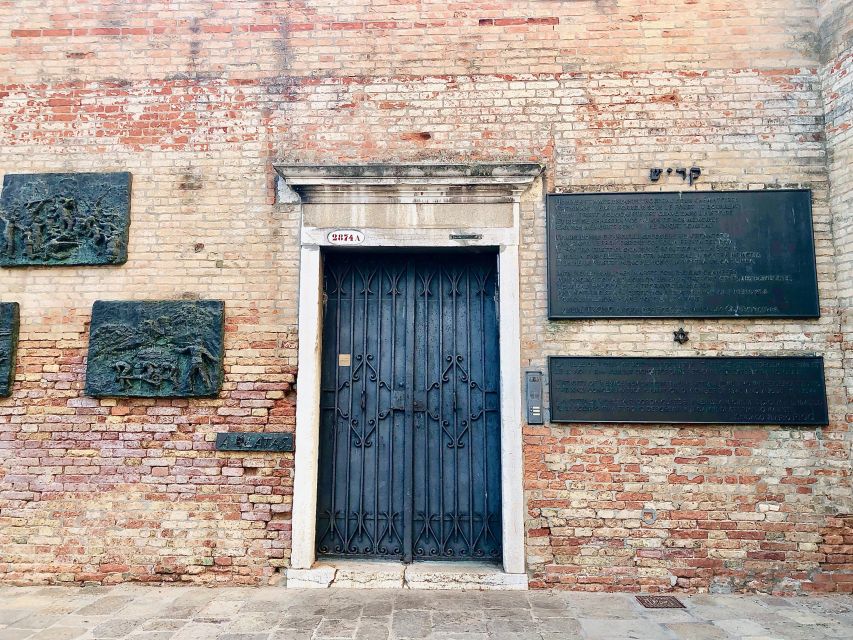
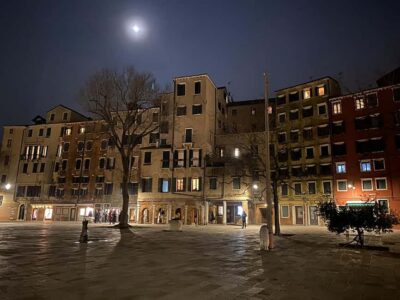
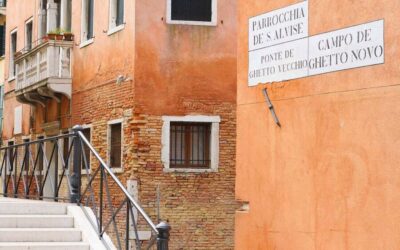
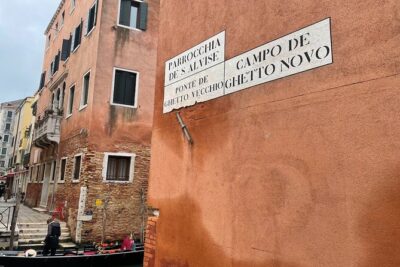
Now for the emotional and historical center of the tour. You walk with your guide to the Jewish Ghetto, often described as an island inside the city. Here, your guide explains a timeline that goes beyond dates for dates’ sake.
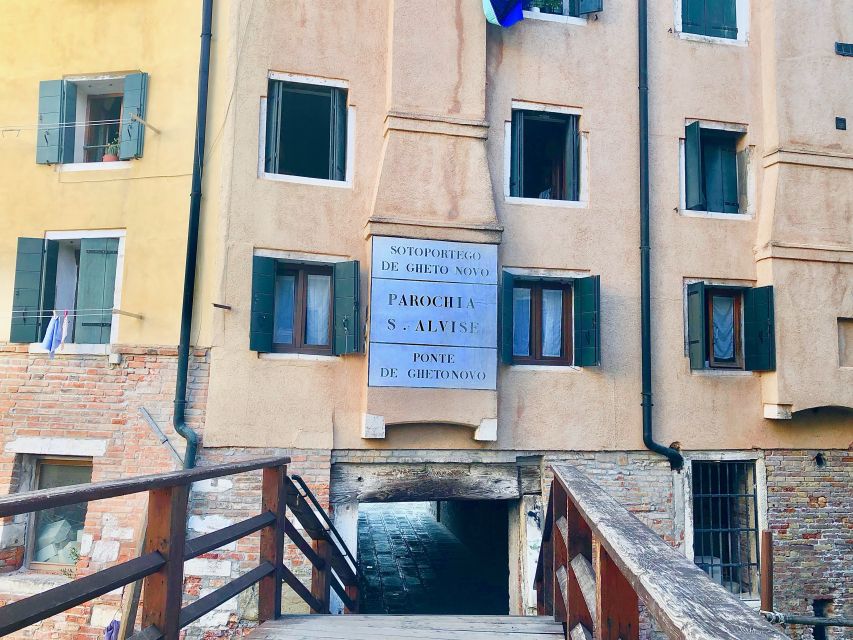
You learn that the ghetto area traces back to the early 14th century, and that in 1516 the Senate approved moving Jews to a closed area. The guide also points out how entry works—crossing over one of the three bridges to step into that different historical space.
This bridge-crossing moment is powerful because it’s physical. You don’t just hear about segregation; you walk into a place that still carries the logic of those decisions.
Life inside the Ghetto today: history that still functions
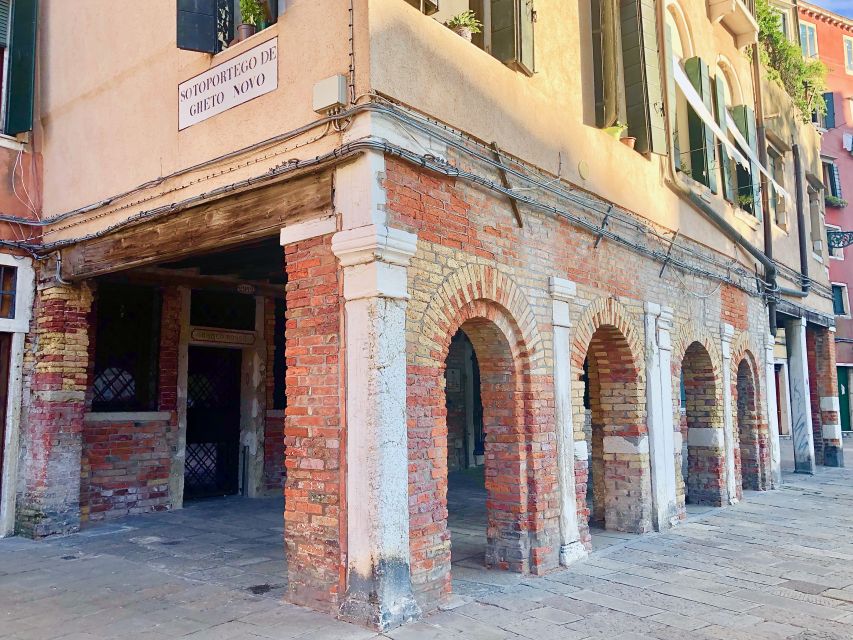
What I appreciate most is that the tour doesn’t treat the ghetto as a sealed museum. After the historical framing, your guide talks about how the community lived through different ages and how it exists today.
You’ll be shown areas connected to daily life—kosher shops and restaurants, plus a library and synagogues where services take place. You also get guidance on what you can do next.
At the end of the walking portion, you can visit the Jewish Museum and synagogues separately, but entrance fees are required because they’re not included in the tour price. This setup is practical: you can spend the walk learning how to look, then decide how deep you want to go with paid visits.
If you want one more step outside the main ghetto experience, you might also consider the old Jewish cemetery on the Lido, a place some famous writers were drawn to for its melancholy beauty before it was abandoned in the 18th century.
The private format: small group pacing and real guide time
This is a small group tour (limited to 6 participants), and it feels designed for conversation. In a city where everyone else is moving in a pack, being in a smaller group changes how often you can ask questions and how quickly your guide can adjust to your interests.
Guide quality also matters here because the topic is sensitive and detailed. The tour is led by an expert guide specializing in Jewish history, which you feel in the way stories connect, not just how facts get listed. The language support is also helpful—your guide can speak English, Spanish, German, Italian, or French—so you’re not stuck relying on your own interpretation.
The tour also includes skip-the-ticket-line support. That’s one of those details that can save you real time if lines are long, especially in popular areas.
Price and value: what $150.10 buys you
At $150.10 per person for a 2-hour private walking experience, it isn’t a cheap add-on. But for Venice, it can be good value when you compare what you actually get: an expert guide, a structured route that connects Cannaregio + Tintoretto links + Jewish history, and a small group that keeps the pacing manageable.
You should treat it as a “pay for focus” purchase. You’re paying to have someone explain what you’re seeing and to help you move efficiently through the neighborhood without guessing which corner matters.
What’s not included is also important for value math:
- Madonna dell’Orto Church entrance fees (optional or expected depending on what you want to see inside)
- Optional paid visits to the Jewish Museum and synagogues
- Food and drinks
- Hotel pickup/drop-off
If you already plan to visit the church and want museum/synagogue time later, the overall spend can make more sense because the tour helps you choose how to use your time.
Practical tips to make the 2 hours work
Venice rewards preparation. Here are a few things that keep this walk smooth.
Wear shoes you trust. Even a 2-hour neighborhood tour can feel longer when stone steps and uneven ground keep you alert.
Bring a bit of cash or a card that works for separate admissions. Since entrance fees aren’t included for Madonna dell’Orto and additional museum/synagogue visits, you don’t want that moment to become stressful.
Know the day you’re booking. The walking tour doesn’t take place on Saturdays, and synagogues and most shops close. If your schedule includes a Saturday, you’ll need a different plan for the ghetto portion.
Finally, if you’re the type who likes getting things done beyond sightseeing, you may appreciate that some guides go the extra mile. One guide named Sergio is noted for helping with buying and validating train tickets, which is exactly the kind of practical help that saves time when your travel day is already full.
And if you end up with a guide like Clementia, expect a tour that pays attention to where tourists often don’t look—making the streets feel more like stories and less like a checklist.
Who should book this tour (and who might skip it)
Book this if you want Venice that goes beyond the big postcard spots. If you’re curious about Tintoretto, want a grounded look at Jewish Venice history, and prefer a smaller group pace, this fits well.
Consider skipping or swapping on a different day if:
- You can’t manage a walking route that’s not wheelchair accessible
- You’re only available on Saturdays
- You’d rather do museum-style visits entirely on your own (because this is a guided walk with separate admission options)
Should you book this Venice Cannaregio and Jewish Quarter tour?
I think it’s worth booking if you like your sightseeing guided, not just photographed. The Cannaregio side gives you streets and art connections, while the Jewish Ghetto side gives you history that explains why the city looks the way it does. With a small group cap and an expert guide focused on Jewish history, you get a clear payoff for your time.
If you’re trying to choose between this and a generic Venice highlights tour, pick this for the specificity. You’ll come away with a Venice you can actually read.
FAQ
What’s the meeting point for the tour?
You meet at Campo San Bortolomio, in front of the statue of Goldoni. It’s about a 1-minute walk from the Rialto bridge. Plan to arrive 15 minutes early and look for a guide holding a sign with your name.
How long is the tour?
The tour lasts 2 hours.
Is this tour wheelchair accessible?
No. The tour is not wheelchair accessible.
Are entrance fees included for churches or museums?
No. Entrance fees to Madonna dell’Orto Church are not included, and visits to the Jewish Museum and synagogues require separate entrance fees.
What language options are available?
The live guide can speak Spanish, English, German, Italian, or French.
Does the tour run on Saturdays?
No. The walking tour does not take place on Saturdays, and the synagogue and most shops in the area are closed.
What’s the group size?
It’s a small group, limited to 6 participants.
More Tours in Venice
- Murano & Burano: Boat Tour with Guide & Glass Factory Visit
★ 4.3 · 10,716 reviews - Doge’s Palace & St. Mark’s Basilica with Terrace Access Tour
★ 4.7 · 10,697 reviews - Venice: Burano, Torcello & Murano Boat Tour w/Glassblowing
★ 4.4 · 10,245 reviews - Murano, Burano and Torcello Half-Day Sightseeing Tour
★ 3.5 · 7,928 reviews - Murano & Burano Islands Guided Small-Group Tour by Private Boat
★ 4.5 · 7,580 reviews - Venice: Doge’s Palace and St Mark’s Basilica Walking Tour
★ 4.4 · 6,291 reviews
More Tour Reviews in Venice
- Venice: Doge’s Palace Reserved Entry Ticket
★ 4.6 · 42,716 reviews - Venice: Grand Canal Gondola Ride with App Commentary
★ 4.1 · 23,020 reviews - Venice: Grand Canal Gondola Experience with Live Commentary™
★ 4.2 · 16,504 reviews - Boat Trip: Glimpse of Murano, Torcello & Burano Islands
★ 4.3 · 15,699 reviews - Venice: La Fenice Opera House Entry Ticket with Audio Guide
★ 4.6 · 11,742 reviews - Murano & Burano: Boat Tour with Guide & Glass Factory Visit
★ 4.3 · 10,716 reviews
Through Cannaregio and the Ghetto
- Venice: Guided Tour of the Jewish Ghetto and Synagogue Visit
★ 4.4 · 610 reviews - Venice: Jewish Ghetto Walking Tour with Synagogue Visits
★ 4.7 · 379 reviews - Venice: Cicchetti, Spritz, and Wine Tour in Ghetto Ebraico
★ 4.9 · 315 reviews - Venice: Jewish Ghetto & Cannaregio Area Food Tour: Pasta Wine Gelato and More!
★ 4.5 · 274 reviews - Venice: Jewish Ghetto Walking Tour with Synagogues Visit
★ 4.5 · 129 reviews - Small-Group Walking Tour of the Jewish Ghetto in Venice
★ 5.0 · 93 reviews
Fresh Off the Vaporetto: New Venice Reviews
Cannaregio & Jewish Ghetto Tours, compared.
 ★ 4.4Guided Tour of the Jewish Ghetto and Synagogue VisitFrom $22610 reviews
 ★ 4.7Jewish Ghetto Walking Tour with Synagogue VisitsFrom $105379 reviews
 ★ 4.9Cicchetti, Spritz, and Wine Tour in Ghetto EbraicoFrom $62315 reviews
 ★ 4.5Jewish Ghetto & Cannaregio Area Food Tour: Pasta Wine Gelato and More!From $143274 reviews
 ★ 4.5Jewish Ghetto Walking Tour with Synagogues VisitFrom $88129 reviews
 ★ 5.0Small-Group Walking Tour of the Jewish Ghetto in VeniceFrom $7193 reviews
 ★ 4.8Jewish Ghetto and Cannaregio Food and Wine TourFrom $13489 reviews
 ★ 5.0Guided Tour of Synagogues and Ghetto AreaFrom $5862 reviews
Browse the lists this tour appears in