
Review · TICKETS
Venice: Scuola Grande San Giovanni Evangelista Ticket & Tour
One ticket, two surprises: art and relic. The Scuola Grande San Giovanni Evangelista guided visit is a tight 1.5-hour look at an ancient Venetian institution where religion, art, and architecture were built side by side. You’ll move through the Scuola’s halls and also see the church and the ancient cemetery that belong to the same monumental complex.
I love how this tour connects names and artworks to the place they lived in, including big highlights like Tiepolo. I also love the architecture stop: the monumental staircase designed by Mauro Codussi, explained in a way that makes his style easy to recognize as you look.
One consideration: the live tour guide is Italian only, so if you rely on translations, plan ahead so you don’t miss the stories tied to the relic and the paintings.
In This Review
- Key things to know before you go
- Why Scuola Grande San Giovanni Evangelista is more than a pretty building
- What you’ll see inside the Scuola complex: halls, church, and cemetery
- Art stops you can actually picture: Tintoretto and Tiepolo in context
- Mauro Codussi’s staircase: architecture you can learn to recognize
- The True Cross relic and the Miracles of the Cross masterpieces
- Learning what the scuole did for Venice (and why you should care)
- Price and value: is $23 for 1.5 hours a smart buy?
- Who this tour is best for
- Should you book the Venice Scuola San Giovanni Evangelista tour?
- FAQ
- What’s included in the ticket and tour?
- How long is the experience?
- Will I be able to skip the ticket line?
- Is the tour guided in English?
- What kind of sights does the tour include?
- Which artists and artworks are part of the visit?
- What relic is shown during the tour?
- Is there free cancellation?
Key things to know before you go
- You get a guided context for what you’re looking at, not just a walk-through of rooms
- Major Venetian artists show up in a single route, including Tintoretto and Tiepolo
- Mauro Codussi’s staircase is a featured architectural lesson, not an afterthought
- A holy relic is part of the visit, described alongside the art it inspired
- The tour is 1.5 hours, so it moves with purpose
- The guide speaks Italian, so your enjoyment will track with your comfort level
Why Scuola Grande San Giovanni Evangelista is more than a pretty building
If you’ve ever felt like Venice art can blur together, this tour gives you a cleaner way to see it. The Scuola Grande San Giovanni Evangelista wasn’t just a decorative stop. It was the home of one of the Venetian scuole, lay brotherhoods that helped shape the city’s Renaissance and Baroque art output.
That matters because you’re not looking at masterpieces in a museum vacuum. You’re inside a living institution’s world, where the building, the church, and the art were tied to community life. The complex is described as still active, which adds weight to what you’ll hear in the guided storytelling.
I like that the tour doesn’t treat the site as one style only. You’ll be introduced to different artistic and architectural styles across the complex. That keeps you from falling into the trap of thinking Venice always looks the same.
Worth weighing up before you book this Venice outing:
- Venice: Doge’s Palace Reserved Entry Ticket★ 4.6 · 42,716 reviews
- Venice: La Fenice Opera House Entry Ticket with Audio Guide★ 4.6 · 11,742 reviews
- Venice: Leonardo Da Vinci Museum Entrance Ticket★ 4.5 · 3,560 reviews
- Venice: St. Mark’s Basilica & Doge’s Palace Tour with Ticket★ 4.7 · 3,375 reviews
What you’ll see inside the Scuola complex: halls, church, and cemetery
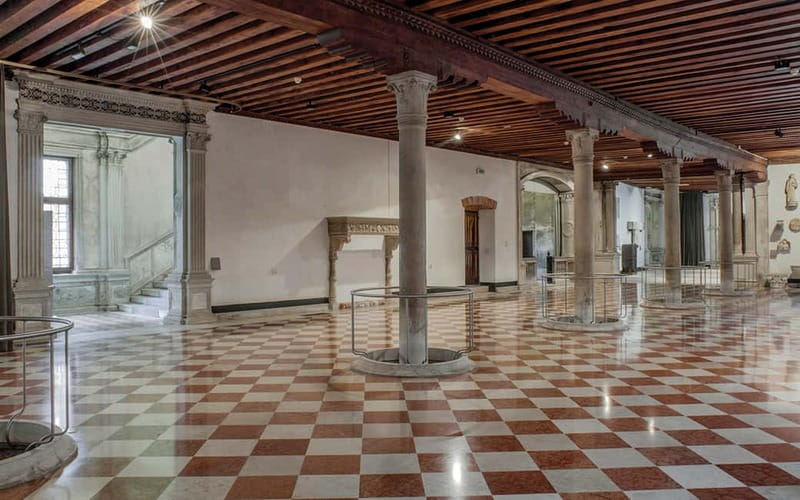
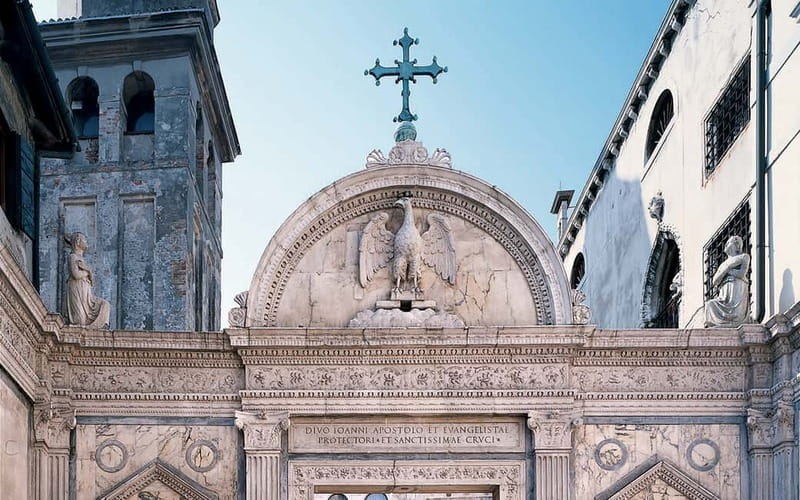
This tour is built around the monumental complex as a whole: the Scuola building, the Church of San Giovanni Evangelista, and the ancient cemetery.
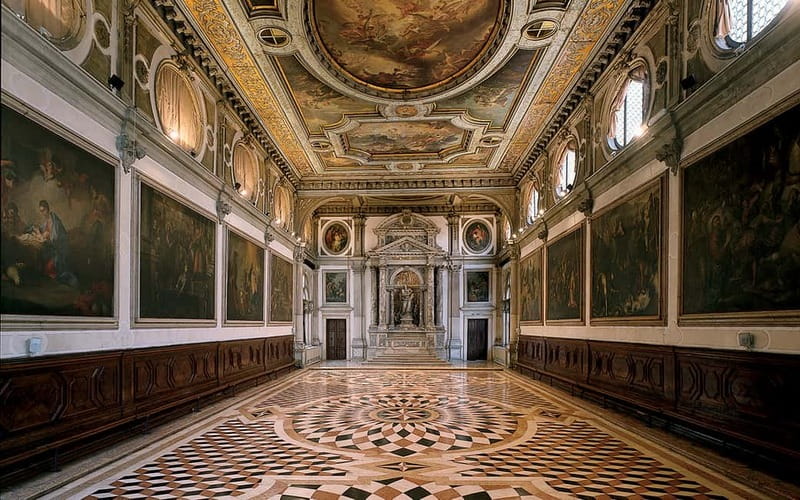
In the Scuola building, you can expect a more art-and-history pace. The guided route is meant to help you read the walls like evidence. When you hear why the scuole mattered to Venetian society, the building starts to feel like a public stage for faith, charity, and status.
The church portion shifts the tone. Here, the tour links the visual culture to the religious meaning behind it. Even if you’re not overly religious, this section works because it explains the logic of why certain artworks were made and why certain artifacts were kept.
Then there’s the ancient cemetery. The guided tour uses it to underline that this site wasn’t built only for performance. It has long-term roots in the community. If you’re the kind of person who likes places with layered time, this stop adds a grounding contrast to the big-name art.
Practical tip: because the complex includes major architectural features, you should expect some moving around and standing time. Wear comfortable shoes and keep your phone flashlight off the surfaces unless the guide says otherwise.
Art stops you can actually picture: Tintoretto and Tiepolo in context
Venice’s famous painters are often encountered as disconnected facts: a name, a date, a quick glance. Here, the tour frames art inside the Scuola’s purpose.
You’ll look at works by Tintoretto and Tiepolo. The highlight isn’t just that these artists are present. It’s that the guide explains how the site’s identity shaped what appeared on its walls and how people understood it.
Tiepolo is a big deal for many visitors, and this tour aims to make you notice more than just the overall style. You’ll hear about how different artistic styles show up in the complex and how that reflects the Scuola’s long development. If you’ve been hoping to spot visual storytelling tricks—composition, figures, and the way scenes guide your eye—this is the kind of setting where those details make sense.
Tintoretto also adds the satisfying “wait, that’s him?” moment. Instead of seeing a painting as a standalone, you’re encouraged to treat it like part of a system: place + patronage + religious meaning.
What I like most is that the guide’s explanations help you connect the art to the relic that’s also part of the visit. That link prevents you from treating the religious artifacts and the paintings as separate chapters.
Mauro Codussi’s staircase: architecture you can learn to recognize
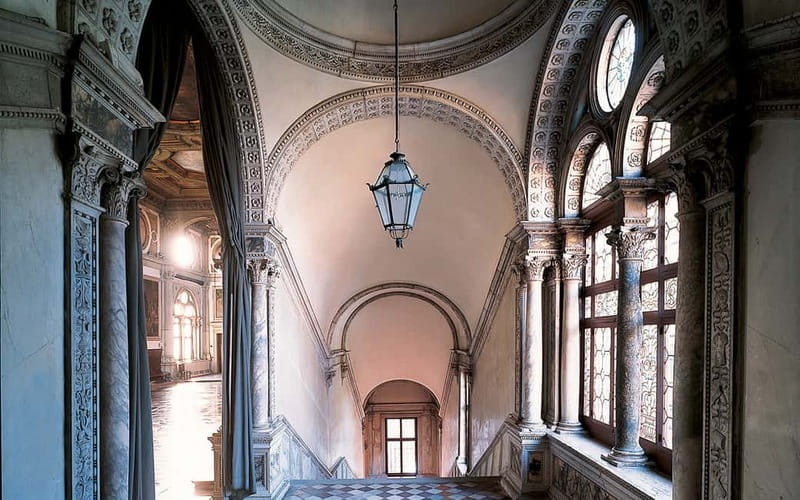
One of the tour’s top named highlights is the staircase designed by Mauro Codussi. This isn’t just a landmark photo spot. The guided portion focuses on learning about Codussi’s architecture style, so you’ll know what to look for instead of just admiring the scale.
The value here is simple: architecture is hard to read without language. Codussi’s work becomes legible when the guide points out the patterns—how the space is organized, how movement through the stairs fits the building’s drama, and why the design stands where it does.
A staircase is also a smart choice for a 1.5-hour tour. It gives you a strong visual anchor early enough that you can build excitement as you continue through art rooms and religious spaces.
If you’re the kind of visitor who loves the “how was this made” question, you’ll likely get a lot out of this stop. If you prefer only paintings, you’ll still benefit because the staircase explanation gives you a framework for understanding the complex as a whole.
The True Cross relic and the Miracles of the Cross masterpieces
The most intense part of the experience is also one of the most specific: the tour includes witnessing an authentic holy relic—two fragments of the True Cross.
That detail changes the way the rest of the art lands. You’re not just hearing about religious symbolism. You’re being told that the relic is housed here, and then the guide points you toward artworks inspired by it.
You’ll also see Miracles of the Cross masterpieces inspired by the True Cross relic. The tour explains why that relic belongs to this Scuola and how it shaped what people commissioned and displayed. In other words, it turns a religious artifact into a lens for reading the paintings.
This section is likely to be the reason people give the tour such high ratings. It turns a site visit into a story. And it gives you a memorable, very Venice-specific thread: the way faith and art were braided together in a city known for both spectacle and craft.
If you’re sensitive to religious content, it’s worth knowing that the emphasis here is on the relic and artworks connected to it. It’s presented as part of the site’s identity and meaning, not as a quick stop.

Learning what the scuole did for Venice (and why you should care)
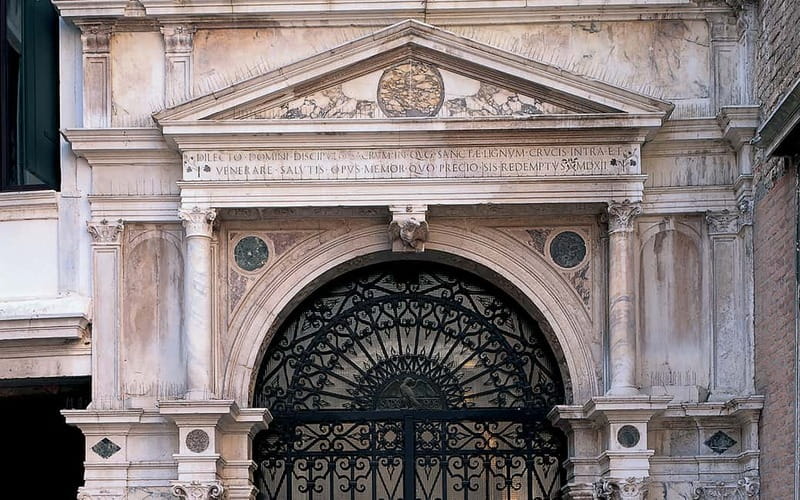
The tour’s background lesson is the scuole themselves. These lay brotherhoods helped create and commission much of Venice’s Renaissance and Baroque artwork. That’s a big claim, but the tour’s approach makes it feel practical: you learn what the Scuola was for, and then you see how the building and art reflect that role.
When you understand the scuole as civic actors—supporting community life while commissioning major work—you start to see the city’s art system differently. It’s not just wealthy people buying paintings. It’s organized groups shaping what the city would see and remember.
This framing also helps you during your broader Venice days. After this tour, you’ll likely notice more “why” behind other churches and confraternity-linked sites. You’ll also be better at spotting when a work of art is tied to a place, a community, or a specific devotional idea.
And the tour doesn’t keep you stuck in theory. The still-active ancient institution aspect gives the lesson weight. It’s not only history on paper; it’s a site with a continued identity.
Price and value: is $23 for 1.5 hours a smart buy?
At $23 per person for a 1.5-hour guided visit, this is priced for solid value—especially because you’re getting both an entry ticket and the guidance.
You’re not just paying to enter a building. You’re paying for interpretation of:
- key architectural design (Codussi staircase)
- major named artists (Tintoretto and Tiepolo)
- an explicitly identified relic (two fragments of the True Cross)
- artworks tied to that relic (Miracles of the Cross works)
That package matters in Venice, where self-guided visits often turn into “I saw a room” instead of “I understood what I saw.” Here, the guide’s role is built into the experience, not added as optional commentary.
If you speak Italian, you’ll probably feel the value even more, since the tour language matches what the guide can explain. If you don’t speak Italian, you can still get value from the art names and the described highlights, but your enjoyment will depend on how comfortable you are following in Italian.
Who this tour is best for
This works especially well if you like:
- art with a clear story behind it
- architecture you can learn to recognize (Codussi in particular)
- Venice beyond the headline canals and skylines
- religious artifacts presented as part of a specific place’s identity
It’s also a good fit for people who want a shorter tour. The duration is 1.5 hours, which makes it easy to slot into a day without burning half of it in lines.
If you dislike guided tours in general, this might feel like more talking than you want. But if you enjoy learning how to look, the tour’s structure is built around explanation—art, architecture, and the relic all tied together.
Should you book the Venice Scuola San Giovanni Evangelista tour?
I’d book it if you want a smarter Venice art stop in a compact time window. The combination of Tiepolo and Tintoretto plus the Mauro Codussi staircase plus the True Cross relic is a rare mix to get in one run. You’ll likely leave with more than photos—you’ll leave with a sense of why the works are here and how the Scuola helped shape Venetian culture.
I wouldn’t book it if you can’t follow an Italian-speaking guide at all. In that case, you might miss the heart of the explanations, especially the connections between the relic and the Miracles of the Cross artworks.
If you do have some comfort with Italian, or you’re willing to be patient and focused, this is the kind of tour that turns a quiet complex into a memorable, well-connected experience.
FAQ
What’s included in the ticket and tour?
You get an entry ticket plus a guided tour.
How long is the experience?
The tour lasts 1.5 hours.
Will I be able to skip the ticket line?
Yes, this includes skip-the-ticket-line entry.
Is the tour guided in English?
No. The live tour guide speaks Italian.
What kind of sights does the tour include?
You’ll explore the Scuola building, the Church of San Giovanni Evangelista, and the ancient cemetery as part of the monumental complex.
Which artists and artworks are part of the visit?
The tour highlights works by Tintoretto and Tiepolo, and it also includes Miracles of the Cross masterpieces inspired by the True Cross relic.
What relic is shown during the tour?
The tour includes witnessing two fragments of the True Cross.
Is there free cancellation?
Yes, you can cancel up to 24 hours in advance for a full refund.
More Tickets in Venice
- Venice: Doge’s Palace Reserved Entry Ticket
★ 4.6 · 42,716 reviews - Venice: La Fenice Opera House Entry Ticket with Audio Guide
★ 4.6 · 11,742 reviews - Venice: Leonardo Da Vinci Museum Entrance Ticket
★ 4.5 · 3,560 reviews - Venice: St. Mark’s Basilica & Doge’s Palace Tour with Ticket
★ 4.7 · 3,375 reviews - Venice: Palazzo Contarini del Bovolo Entrance Ticket
★ 4.3 · 1,991 reviews - Doge’s Palace & St. Mark’s Basilica Tickets + Tour Options
★ 4.5 · 1,841 reviews
More Tours in Venice
- Murano & Burano: Boat Tour with Guide & Glass Factory Visit
★ 4.3 · 10,716 reviews - Doge’s Palace & St. Mark’s Basilica with Terrace Access Tour
★ 4.7 · 10,697 reviews - Venice: Burano, Torcello & Murano Boat Tour w/Glassblowing
★ 4.4 · 10,245 reviews - Murano, Burano and Torcello Half-Day Sightseeing Tour
★ 3.5 · 7,928 reviews - Murano & Burano Islands Guided Small-Group Tour by Private Boat
★ 4.5 · 7,580 reviews - Venice: Doge’s Palace and St Mark’s Basilica Walking Tour
★ 4.4 · 6,291 reviews
More Tour Reviews in Venice
- Venice: Doge’s Palace Reserved Entry Ticket
★ 4.6 · 42,716 reviews - Venice: Grand Canal Gondola Ride with App Commentary
★ 4.1 · 23,020 reviews - Venice: Grand Canal Gondola Experience with Live Commentary™
★ 4.2 · 16,504 reviews - Boat Trip: Glimpse of Murano, Torcello & Burano Islands
★ 4.3 · 15,699 reviews - Venice: La Fenice Opera House Entry Ticket with Audio Guide
★ 4.6 · 11,742 reviews - Murano & Burano: Boat Tour with Guide & Glass Factory Visit
★ 4.3 · 10,716 reviews
Fresh Off the Vaporetto: New Venice Reviews
Tickets, compared.
 ★ 4.6Doge’s Palace Reserved Entry TicketFrom $4142,716 reviews
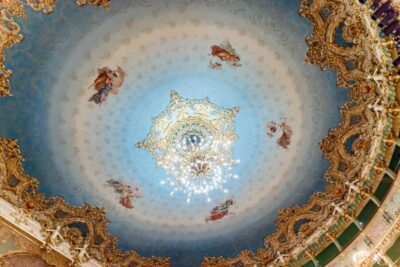 ★ 4.6La Fenice Opera House Entry Ticket with Audio GuideFrom $1411,742 reviews
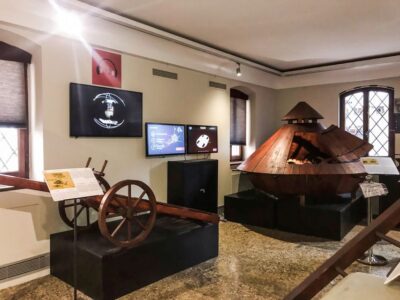 ★ 4.5Leonardo Da Vinci Museum Entrance TicketFrom $103,560 reviews
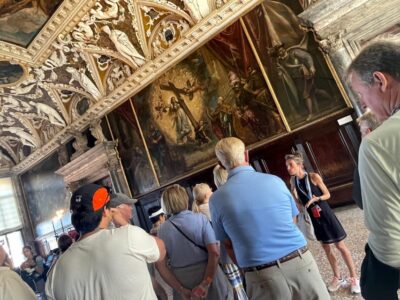 ★ 4.7St. Mark’s Basilica & Doge’s Palace Tour with TicketFrom $943,375 reviews
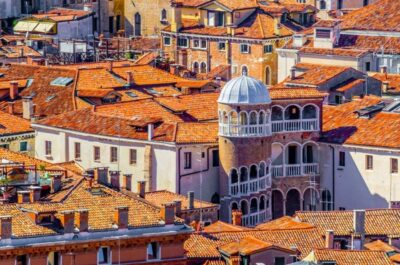 ★ 4.3Palazzo Contarini del Bovolo Entrance TicketFrom $101,991 reviews
 ★ 4.5Doge’s Palace & St. Mark’s Basilica Tickets + Tour OptionsFrom $811,841 reviews
 ★ 3.4St. Mark’s Basilica Ticket with Audio GuideFrom $361,645 reviews
 ★ 4.0Doge’s Palace Skip-the-Line Ticket with GuidebookFrom $511,196 reviews