
Review · MUSEUMS
Museum of Leonardo da Vinci’s working machines
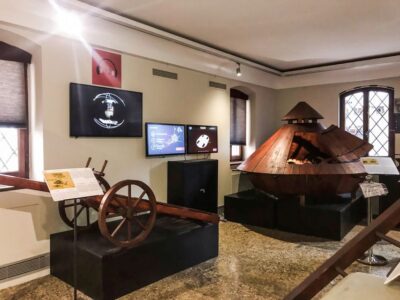
Leonardo’s notebooks come to life in a room full of moving parts. This is a compact, hands-on-style stop in Venice that turns selected studies from the Codices into working mechanical models you can understand at close range, then pair with a digital, first-person Leonardo guide.
I especially like two things: the interactive QR codes that help you read the design logic, and the way the models are built in precious Casentino woods by skilled artisans, so it feels less like glass cases and more like engineering you can appreciate. One caution: the experience is time-sensitive and strictly entry-based, so you’ll want to arrive early and confirm the exact access point.
In This Review
- Key highlights at a glance
- Inside the Church of San Barnaba: setting, pace, and what you’ll feel
- Price and value: what $10 buys you in the real world
- How the models are made: Florence artisans, Casentino wood, codex-based ideas
- QR codes and the “mechanics” focus: learning without a lecture
- What you’ll see: flight, war, water, and the “why” of movement
- Beyond machines: anatomy models and painting replicas
- The church visit: San Barnaba and the Indiana Jones connection
- Getting the most out of your visit (without overplanning)
- Who should book this museum in Venice
- Should you book the Museum of Leonardo da Vinci’s working machines?
- FAQ
- How long is the visit?
- What does the ticket include?
- How much does it cost?
- What languages are available?
- Is the museum wheelchair accessible?
- Can I cancel or pay later?
Key highlights at a glance
- Interactive QR codes that guide you through the mechanics with practical context
- Working models made from Casentino wood, based on Leonardo’s flight, war, mechanics, and water studies
- Crafted reproductions made in Florence by skilled artisans, using high-quality materials
- An included church visit to San Barnaba, known for its Indiana Jones connection
- Digital experience in first person, where Leonardo helps you understand his inventions
- Book shop inside, plus a catalog discount if you buy the ticket
Inside the Church of San Barnaba: setting, pace, and what you’ll feel
The museum lives in the church of San Barnaba in Venice, and it’s a permanent setup that’s been running since 2021. That matters, because you’re not bouncing between temporary exhibits—you’re walking through a steady collection housed in a place that already has atmosphere. The result is calm and focused, even though the subject matter is about motion, force, and invention.
Plan for a gentle pace. Even if you’re a fast museum walker, you’ll likely stop often to read the QR prompts and study the mechanics closely. This is one of those places where a “quick look” turns into a longer visit because the models invite you to slow down.
One practical note: entry timing seems strict. If you arrive right at a cut-off, you may not get in smoothly, so I’d treat this like a timed attraction and show up early enough to handle any line or check-in without stress.
More gallery hours out of the sun
- Venice: Leonardo Da Vinci Museum Entrance Ticket★ 4.5 · 3,560 reviews
- Venice’s Best: Basilica, Doge’s Palace, Gondola & History Gallery★ 4.5 · 2,478 reviews
- Venice: Vivaldi’s Four Seasons Concert & Music Museum Visit★ 4.8 · 2,065 reviews
- Charming Gondola Ride on the Grand Canal & Gondola Gallery™★ 4.0 · 1,313 reviews
Price and value: what $10 buys you in the real world
At about $10 per person, this isn’t priced like a large, blockbuster museum. The value is in the subject and the experience design: working models, interactive interpretation, and a digital narration element. For the cost, you’re getting more than static replicas—you’re getting an educational format that tries to explain how Leonardo thought.
This is also the kind of attraction where you’ll decide quickly if it matches your brain. If you like how things work—gears, levers, flight concepts, water mechanics—you’ll feel your money translate into attention. If you only want famous paintings and don’t care about how machines function, you might find the exhibition smaller than you hoped.
Also, an “all inclusive” day it is not. If you’re pairing it with other Venetian stops, think about budgeting for transport and nearby sights separately. The upside is you can slot this into a day without needing a full itinerary overhaul.
How the models are made: Florence artisans, Casentino wood, codex-based ideas
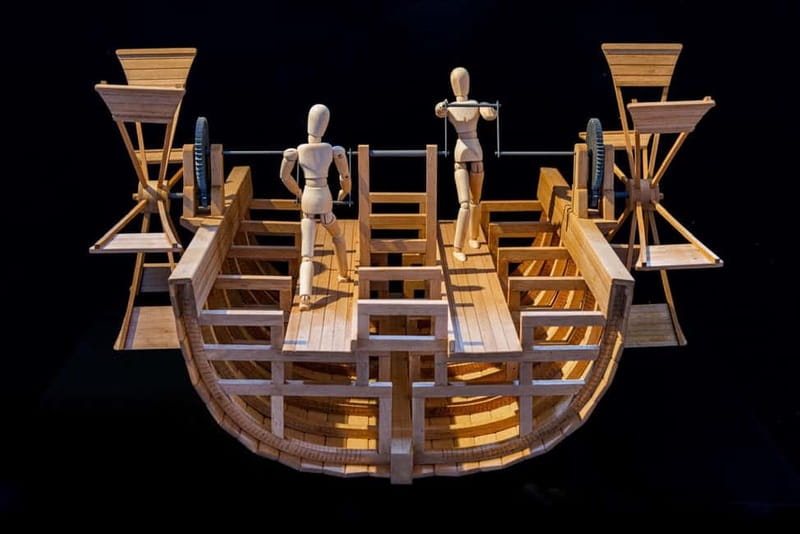
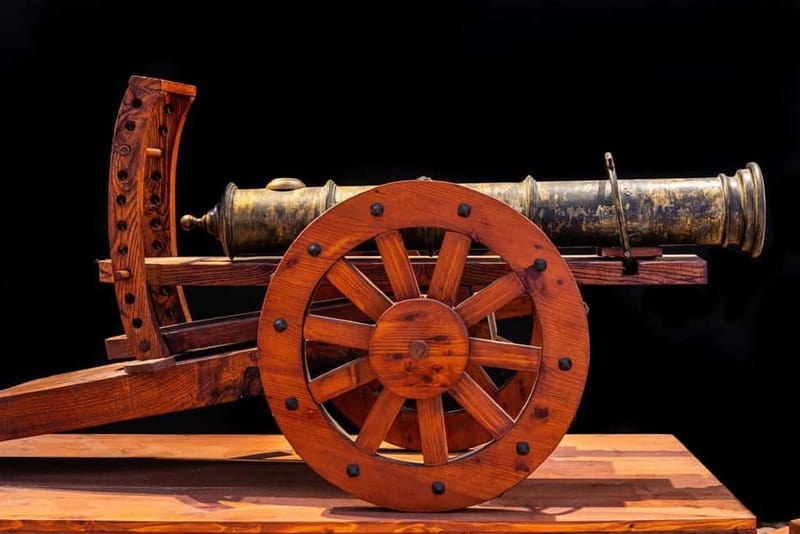
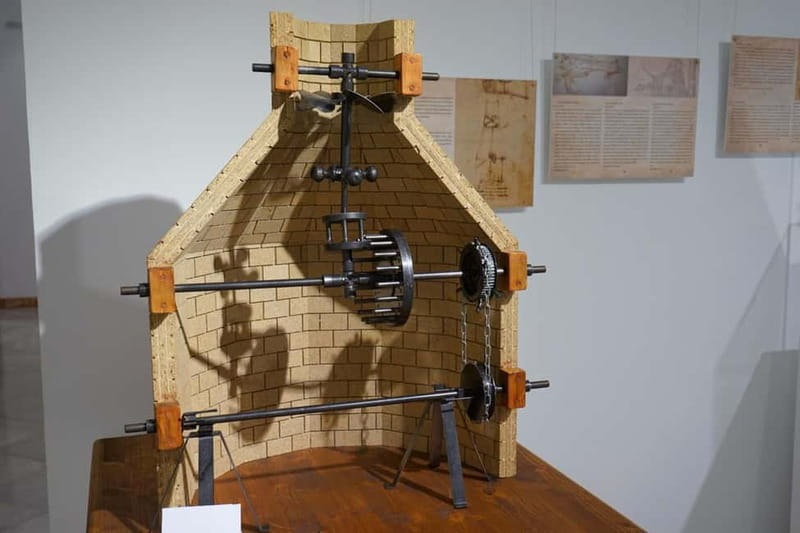
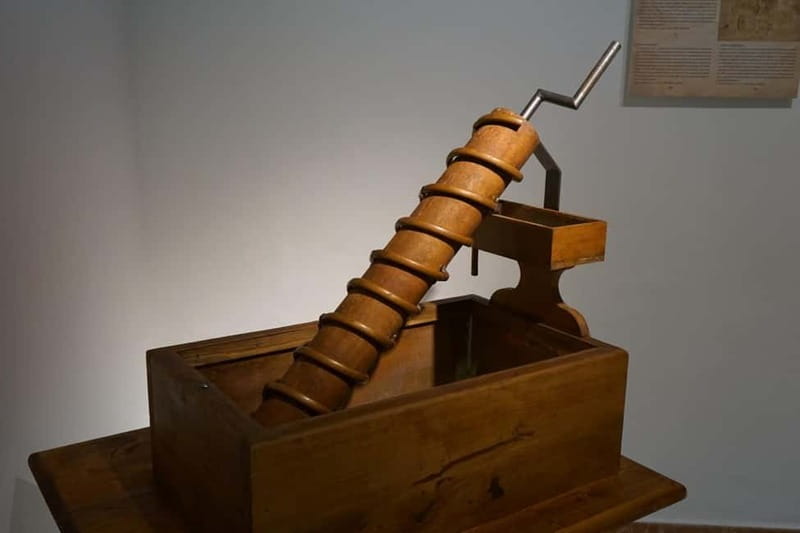
The heart of the museum is the reproduction of models from Leonardo da Vinci’s codices, with special attention to pieces that show mechanics in action. You’ll see study-based machines linked to flight, war, mechanics, and water—not just one theme. That mix is helpful because Leonardo wasn’t writing in one lane. He connected observation, experimentation, and practical engineering across domains.
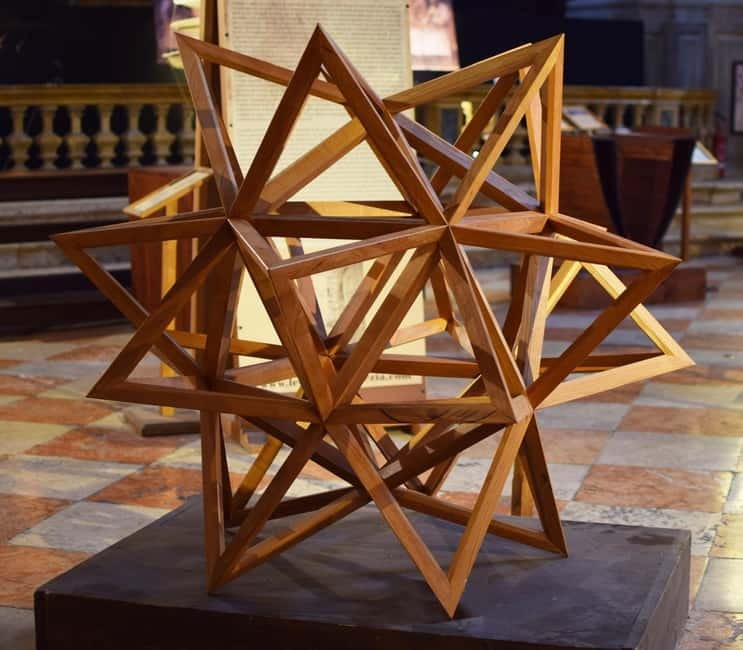
What makes the presentation feel unusually tangible is the material story. The machines are made from precious woods from the Casentino area in Tuscany, where Leonardo is said to have loved spending time. That’s more than an aesthetic detail. Wood gives these models warmth and visual clarity—you can often sense texture and craftsmanship that you simply don’t get from cheaper reproductions.
And the craftsmanship line matters too: the models are reproduced in Florence by skilled artisans. So while the subject is Leonardo’s ancient thinking, the build quality is modern workmanship, aiming to make the designs understandable and visually convincing.
QR codes and the “mechanics” focus: learning without a lecture
The exhibition includes unique interactive pieces in the mechanics part, and the QR codes are a big reason you can move through this without needing a guide. Instead of relying on museum text alone, you can scan and get a clearer explanation of what you’re looking at and why it works the way it does.
I like this format because it respects different learning speeds. If you want to skim, you can. If you want to understand, you can linger at a single model and repeatedly read the prompt before moving on.
There’s also a digital component with Leonardo speaking in first person as you follow the inventions. I wouldn’t expect it to replace real-world curiosity or hands-on science labs, but it does add a narrative layer that helps connect the machine to the mindset behind it. Think of it like guided context that keeps you from staring at parts with no clue what to focus on.
One more small, useful expectation: some content may appear in its original language. That’s normal for an art-and-science blend like this. If you’re not fluent in Italian, you can still get a lot from the interactive pieces and the visual mechanics, but be ready for a few spots that don’t read like textbook English.
What you’ll see: flight, war, water, and the “why” of movement
As you walk through the mechanics section, you’re essentially moving through Leonardo’s questions: how can something lift, how can structures endure stress, how do flows behave, and how can motion be controlled. The exhibition’s structure follows those themes—flight, war, mechanics, and water—so you’re not hunting for meaning in random displays.
For example, flight studies can be fascinating even if you don’t know aerodynamics. The key is that you’re seeing design logic rendered as built form. You’ll often get a better mental model by looking at the mechanism rather than reading the theory.
War-focused studies also tend to read differently when they’re assembled. You can see how a plan becomes hardware—how mass, leverage, and movement translate into function. It’s not about glorifying violence. It’s about understanding the engineering impulse behind the drawings.
Water studies bring yet another perspective: if you’re the kind of person who likes how “invisible” forces get made visible, you may enjoy this section most. The exhibition framework tries to connect water behavior to Leonardo’s mechanical thinking.
The big benefit here is that the exhibit doesn’t stop at display. The models are meant to be understood as working systems. Even when you’re not turning a crank yourself, the mechanical layout is meant to make sense.



Beyond machines: anatomy models and painting replicas
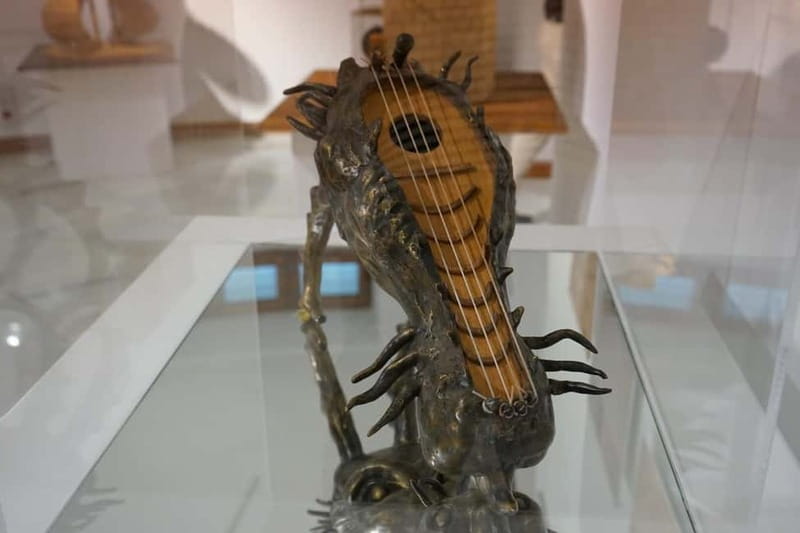
Not every viewer wants gears and hydraulics all day, and the museum seems to understand that. Alongside the working machinery, there are anatomy models. They’re a reminder that Leonardo’s curiosity wasn’t only about force and motion—it also included structure inside the body.
There are also replicas of important paintings in the exhibition. That’s a smart balance. It gives you a broader Leonardo experience: the artist and the engineer in the same day. If you came to Venice for art but feel curious about the mind behind it, this part can make the visit feel more complete.
The church visit: San Barnaba and the Indiana Jones connection
Your ticket includes a visit to the church of St. Barnabas, which is famous for its Indiana Jones movie association. Even if you’re not an action-movie fan, this inclusion works because it pulls you into Venice beyond a single room of exhibits.
The practical value is timing. You can treat the museum as the brain part of your visit, then use the church space as a reset—another setting, another kind of storytelling. If you’re already planning to explore Venice’s old streets, this helps stitch the stop into a broader day rather than feeling like you went out of your way for one indoor room.
Getting the most out of your visit (without overplanning)
This experience is best when you give it attention. Here’s how to make it pay off:
- Arrive a bit early so timed entry doesn’t turn into a missed door.
- Bring your curiosity, not your advanced engineering degree. The QR codes and digital Leonardo guidance are designed to help you follow along.
- Expect a compact museum feel. If you’re coming from the mindset of a huge national museum, you may feel it’s smaller than expected—but the trade-off is a more focused, manageable visit.
- Make time for the shop. The book shop is included, and there’s a discounted exhibition catalog for ticket holders who buy it.
Who should book this museum in Venice
I’d put this at the top of your list if you fit one of these:
- You love mechanical design, even if you’re more curious than technical
- You want an unusual Venice stop that isn’t just grand facades and famous squares
- You like interactive interpretation, especially QR-based guidance
- You want a Leonardo experience that mixes engineering ideas, anatomy, and painting replicas in one visit
I’d be slightly more careful if you mainly want big-name artworks or a museum-bus tour vibe. This is about how Leonardo’s concepts become physical mechanisms, and the rest of the exhibition supports that focus rather than replacing it.
Should you book the Museum of Leonardo da Vinci’s working machines?
Yes—if you’re excited by the idea that Leonardo’s codex sketches can be understood through working mechanical models, and you’ll actually use the QR code prompts and digital Leonardo guide. For the price, it’s a strong value: you’re getting materials, craft, interpretation, and a church stop all in one day.
But book with your eyes open. Entry timing can be strict, and the exhibition can feel smaller than you might expect. If your main goal is a long, sprawling museum day, this may not satisfy. If your main goal is “I want to understand how the ideas work,” you’re in the right place.
FAQ
How long is the visit?
The experience is listed as 1 day in duration.
What does the ticket include?
Your ticket includes the museum visit, access to the church of St. Barnabas, and entry to the on-site book shop area. There’s also a discount on the exhibition catalog if you purchase the ticket.
How much does it cost?
The price is listed as $10 per person.
What languages are available?
The host/greeter is listed in English, French, Spanish, and German. Some content may appear in its original language.
Is the museum wheelchair accessible?
Yes, it is listed as wheelchair accessible.
Can I cancel or pay later?
Free cancellation is listed up to 24 hours in advance for a full refund. It also offers a Reserve now & pay later option, with payment due later.
Indoors Done Well: Venice Galleries
- Venice: Leonardo Da Vinci Museum Entrance Ticket
★ 4.5 · 3,560 reviews - Venice’s Best: Basilica, Doge’s Palace, Gondola & History Gallery
★ 4.5 · 2,478 reviews - Venice: Vivaldi’s Four Seasons Concert & Music Museum Visit
★ 4.8 · 2,065 reviews - Charming Gondola Ride on the Grand Canal & Gondola Gallery™
★ 4.0 · 1,313 reviews - Venice: City Pass with Museums including Doge’s Palace
★ 4.1 · 1,020 reviews - Venice: Bell Tower & St Mark’s Square History Gallery Ticket
★ 4.3 · 910 reviews
More Tour Reviews in Venice
- Venice: Doge’s Palace Reserved Entry Ticket
★ 4.6 · 42,716 reviews - Venice: Grand Canal Gondola Ride with App Commentary
★ 4.1 · 23,020 reviews - Venice: Grand Canal Gondola Experience with Live Commentary™
★ 4.2 · 16,504 reviews - Boat Trip: Glimpse of Murano, Torcello & Burano Islands
★ 4.3 · 15,699 reviews - Venice: La Fenice Opera House Entry Ticket with Audio Guide
★ 4.6 · 11,742 reviews - Murano & Burano: Boat Tour with Guide & Glass Factory Visit
★ 4.3 · 10,716 reviews
Fresh Off the Vaporetto: New Venice Reviews

Museums, compared.
 ★ 4.5Leonardo Da Vinci Museum Entrance TicketFrom $103,560 reviews
 ★ 4.5Venice’s Best: Basilica, Doge’s Palace, Gondola & History GalleryFrom $1292,478 reviews
 ★ 4.8Vivaldi’s Four Seasons Concert & Music Museum VisitFrom $462,065 reviews
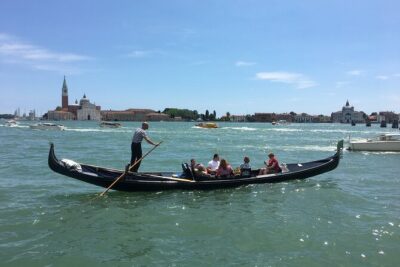 ★ 4.0Charming Gondola Ride on the Grand Canal & Gondola Gallery™From $471,313 reviews
 ★ 4.1City Pass with Museums including Doge’s PalaceFrom $741,020 reviews
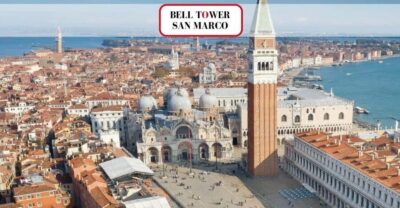 ★ 4.3Bell Tower & St Mark’s Square History Gallery TicketFrom $44910 reviews
 ★ 3.9Venice Museum Pass & Doge’s Palace Entrance TicketFrom $41769 reviews
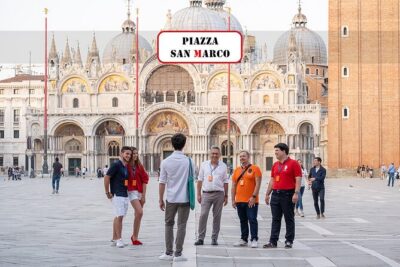 ★ 5.0Basilica, Doge’s Palace, History Gallery & Bell Tower OptionFrom $116586 reviews
Browse the lists this tour appears in