
Review · VENICE SIGHTSEEING & CITY TOURS
Grappa Tasting in Venice City Center
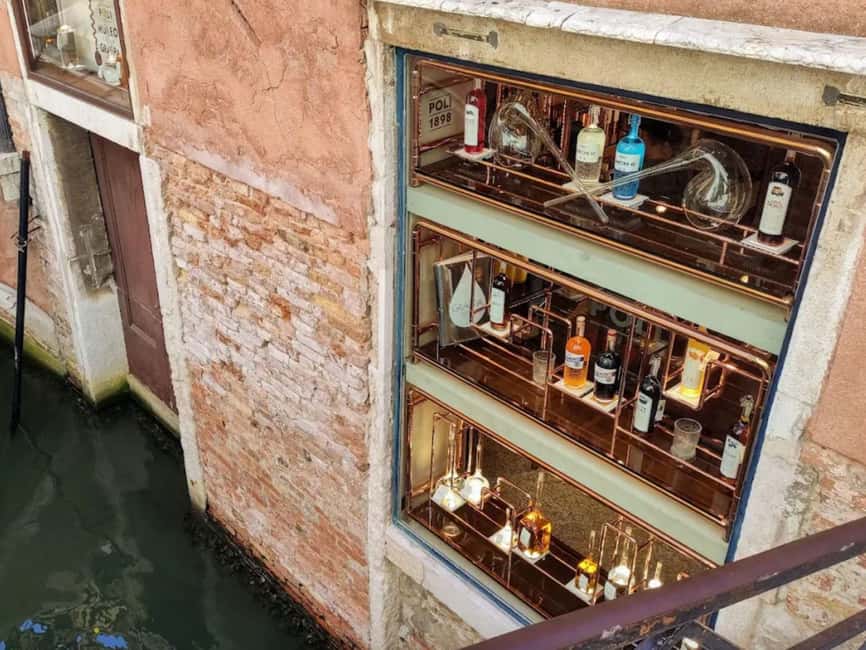
Venice does grappa differently, up close. In the heart of the city, you get a focused 30-minute tasting led by a live guide, plus real talk about how grappa is made and why styles taste so different.
I like two things a lot: the chance to compare young, barrique-aged, and infused grappa side by side, and the way the expert explains production and tasting notes as you go. The shop also feels beautifully “hands-on,” with copper-like shelves and water set out for you.
One heads-up: it’s a fast stop—great if you want three tastings, but not ideal if you’re looking for a long, slow drinking session.
In This Review
- Key highlights to look for
- Getting Oriented at Poli Grappa Near San Marco
- How the 30-Minute Grappa Tasting Actually Works
- Young Grappa: The Grapes Without Waiting
- Barrique-Aged Grappa: Oak, Time, and Extra Layers
- Naturally Infused Grappa: When Natural Ingredients Take Over
- Small Group Energy, Water on Hand, and Guides Who Actually Talk
- Shopping Time: What to Look for After the Tastings
- Price and Value: Why $16 for Three Tastings Works
- Who This Grappa Tasting Is Best For (and Who Should Skip It)
- Should You Book This Venice Grappa Tasting?
- FAQ
- Where is the meeting point for this grappa tasting?
- How long does the grappa tasting last?
- What types of grappa will I taste?
- Can I focus on only one style of grappa?
- What languages are the live guides?
- What are the age requirements and is ID required?
- Is the experience wheelchair accessible?
- Is free cancellation available?
Key highlights to look for
- Small group size (limited to 8) means you can actually ask questions
- Three distinct styles of grappa, tasted in one smooth 30-minute flow
- Production and tasting notes explained by the guide, not just poured and shrugged at
- Infused options with natural ingredients, so you can compare traditional vs twist flavors
- Water provided and a relaxed pace, which helps you taste accurately
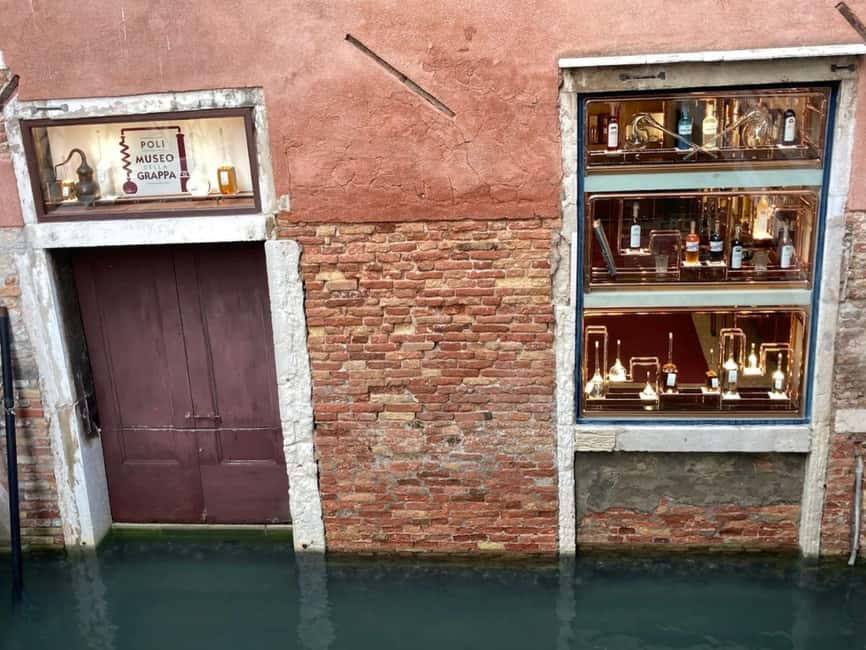
- Central location near San Marco, easy to plug into a day of walking
Getting Oriented at Poli Grappa Near San Marco
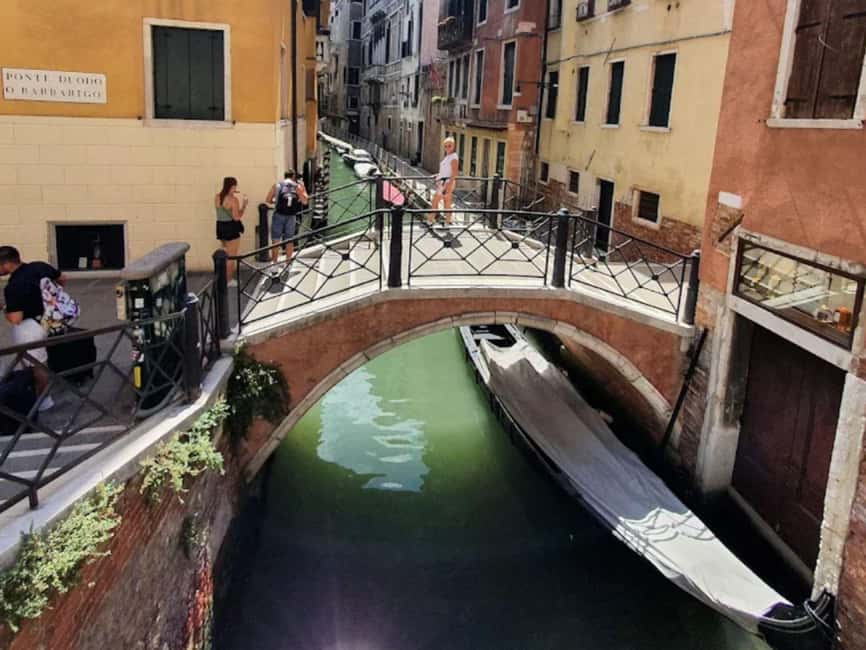
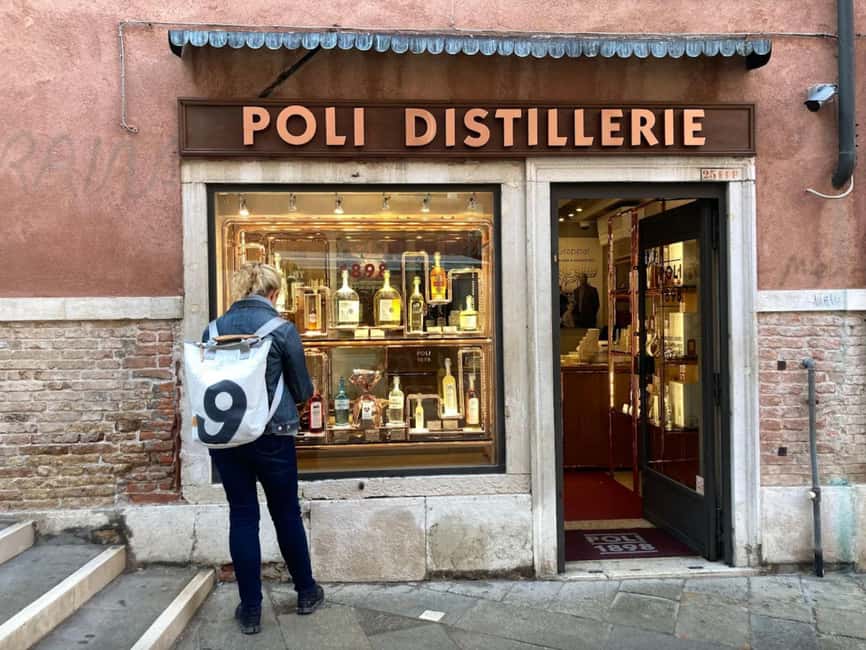
This experience is built for walk-in convenience. You meet at Poli Grappa, in Venice city center, and it’s about a 3-minute walk from San Marco Square. That matters in Venice, where “a short walk” can turn into 20 minutes if you lose your way.
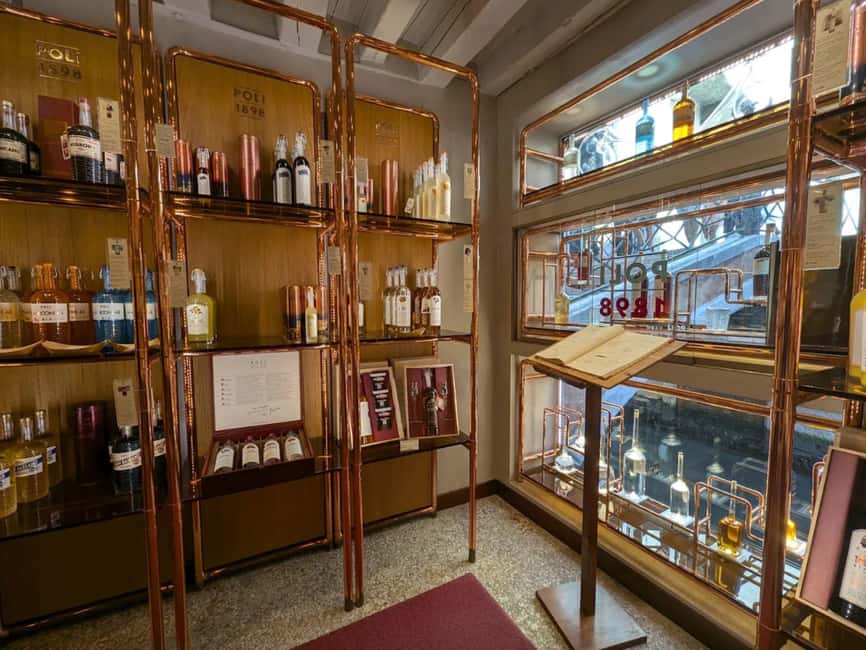
When you arrive, you’re not shuffled through a line. You step into a compact spirits shop setting, with the kind of details that make you pause—those copper-like shelves are a nice touch. It helps you shift gears from sightseeing mode to tasting mode fast.
The format is also simple. You’ll spend about 30 minutes on the tasting portion with a live guide, then you have a little time to browse and shop. If you want to pick up something for a gift, this timing is practical: you taste first, then decide.
If you’re bringing a friend who says they hate “strong alcohol,” this is a smart way to test that idea. Grappa can be rough if you taste it cold and uneducated. With guidance, you start understanding what you’re tasting and why it might feel different than you expected.
The headline sights in one loop
- Murano, Burano and Torcello Half-Day Sightseeing Tour★ 3.5 · 7,928 reviews
- Venice In a Day: St Mark’s, Doges Palace Gondola Ride & City Tour★ 5.0 · 3,588 reviews
- Tour of The Real Hidden Venice★ 5.0 · 2,006 reviews
- Venice: City Center Historical Guided Walking Tour★ 4.2 · 1,873 reviews
How the 30-Minute Grappa Tasting Actually Works
The pacing is the main reason this works so well. You’ll get a brief introduction to grappa’s history and production methods, and you’ll even have the option to look at a book that covers that background. Then the guide takes you through the tastings, style by style.
The tour is designed around comparison. You’re not just drinking three random glasses. The guide helps you notice differences in aroma and flavor, and you get tasting notes for each style. You also learn which production choices push those flavors in specific directions—like aging in wood or infusing with natural ingredients.
It’s also built for conversation. The guides are described as warm and easy to talk with, and that’s important because grappa is one of those spirits where people often have questions:
- Why does this one smell different?
- What should I expect after aging?
- What does infused actually taste like?
You might also find that the shop carries other Italian spirits. In one account, the guide discussed other options like Amaro alongside the main grappa focus. You won’t count on extra tastings unless they’re offered during your session, but it can still be useful if you want ideas for what to try next.
A nice practical detail: water is provided. That helps you reset between pours so you can keep your palate honest.
Young Grappa: The Grapes Without Waiting
Young grappa is the baseline. It’s the one that shows you what the grapes are doing before aging adds extra flavors.
In a good tasting, young grappa is like turning on the volume for the fruit. It’s fresh and vibrant, and you get the essence of the grapes without the oak influence. The guide’s job here is to point out what you should actually notice—so you don’t just say it tastes strong and move on.
During this part, you’ll learn how young grappa is produced in a way that keeps those original grape characteristics more forward. That helps you understand why two grappas can feel like totally different spirits even though both are, technically, grappa.
A helpful way to approach the tasting is to treat young grappa like a reference point. Once you’ve tasted it, you can make better sense of the other two styles:
- If the next pour tastes calmer and more rounded, that’s aging.
- If the next pour leans aromatic in a different direction, that might be infusion ingredients.
This section is also where first-timers usually relax. If your only experience with grappa is from a harsh shot in the wrong moment, young grappa can change that. The point isn’t to make it sweet; it’s to show you the structure.
Barrique-Aged Grappa: Oak, Time, and Extra Layers
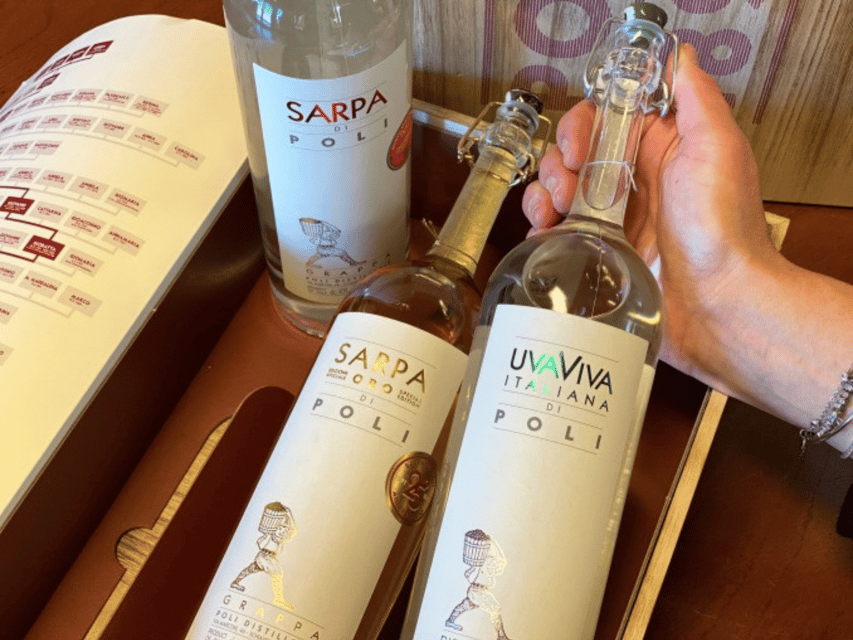
Then comes the big contrast: barrique-aged grappa.
Here, aging in small wooden barrels (barriques) brings in oak character and adds complexity. The guide explains how time in wood shifts aroma and taste profiles, so you’re not guessing. You’re comparing.
Expect the flavors to feel more layered. Instead of pure grape expression, the spirit has more going on—roundness, added aromatic notes, and a longer finish. This is the part that often convinces people that grappa isn’t just a rustic spirit. When it’s handled well and aged correctly, it can taste structured and intentional.
What I like about this section for you is the learning angle. You’re not just tasting; you’re building a mental map:
- Young grappa = grape-forward expression
- Barrique-aged = wood-influenced depth
- Infused = ingredient-driven aroma twist
Once you get that map, the tasting notes start to make sense. Even if you don’t remember every word the guide says, you’ll remember how each pour felt compared to the last.
If you’re choosing a bottle later, this is the moment that gives you clarity. Barrique-aged grappa tends to be the easiest “upgrade” for people who want something smoother and more complex.
Naturally Infused Grappa: When Natural Ingredients Take Over
The third style is where the tour feels fun and slightly different.
Naturally infused grappa uses grappa plus natural ingredients, and you’ll taste it with a focus on the unique flavors those ingredients bring. The guide helps you connect the aroma and taste back to what’s been infused, so you can recognize the ingredient character instead of just guessing fruit or herbs vaguely.
This is a smart inclusion because infused spirits often fall into two categories: either they taste like novelty sweetness, or they taste like a thoughtful flavor bridge. With guidance and tasting notes, you get a better chance to understand which one you’re tasting.
Also, this is where you’ll likely learn practical, real-world flavor language. Instead of calling everything “sweet” or “strong,” you start describing what you smell and what shows up on the palate. That makes future tastings easier, wherever you are in Italy.
If you’re buying gifts, infused grappa can be a safer choice. It’s still grappa, but it can feel more accessible to people who don’t want a straight-up spirit-forward hit.
One more detail worth knowing: you can often steer the session. If you want to focus only on young grappas, only barrique-aged, or only infused liqueurs, the staff can accommodate requests. That’s a big deal if you’re a one-style person.
Other plates and ombre worth the detour



Small Group Energy, Water on Hand, and Guides Who Actually Talk
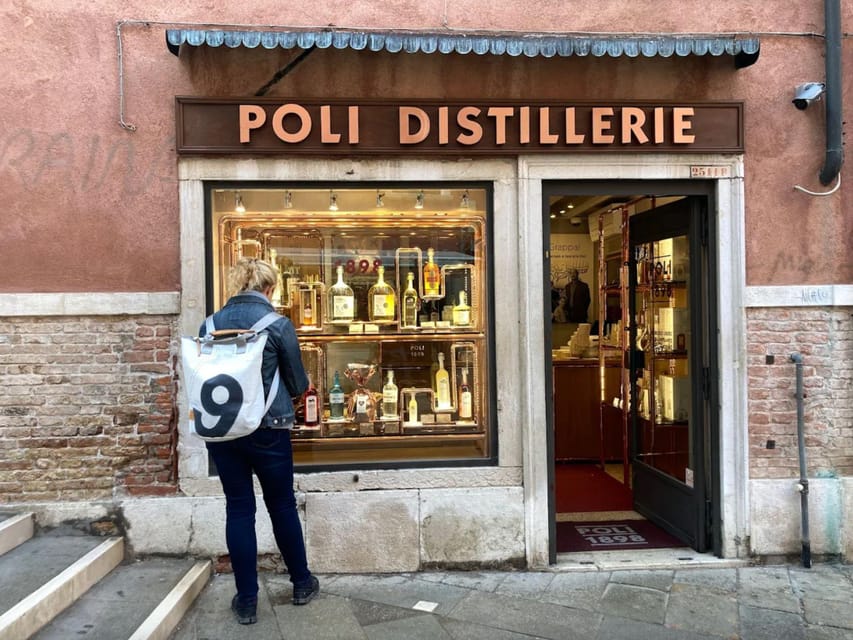
This is a small-group experience, capped at 8 participants. That’s what makes it feel personal. In bigger tastings, you get stuck listening more than learning. Here, you can ask things and get answers that connect directly to what’s in your glass.
Guides are live and speak Italian and English. In the stories shared, guides like Jessie and Chiara were praised for being warm, easy to chat with, and happy to explain the history and the production side clearly.
Two practical takeaways from those guide experiences:
- You can ask for pairing ideas. One account specifically notes the guide offered insight into what to pair the spirits with and what she personally liked.
- You can use the visit to find gift references. Jessie helped track down a reference for a gift someone was searching for, which tells you the shop team isn’t just there to pour—they’re there to help you choose.
I also appreciate the water detail. In tastings, alcohol can blur your senses quickly. Having water on hand helps you reset and taste more accurately, especially when you’re switching between style types.
For solo travelers, this kind of conversational format helps a lot. You’re not stuck talking to nobody, but you also aren’t forced into a big group performance.
Shopping Time: What to Look for After the Tastings
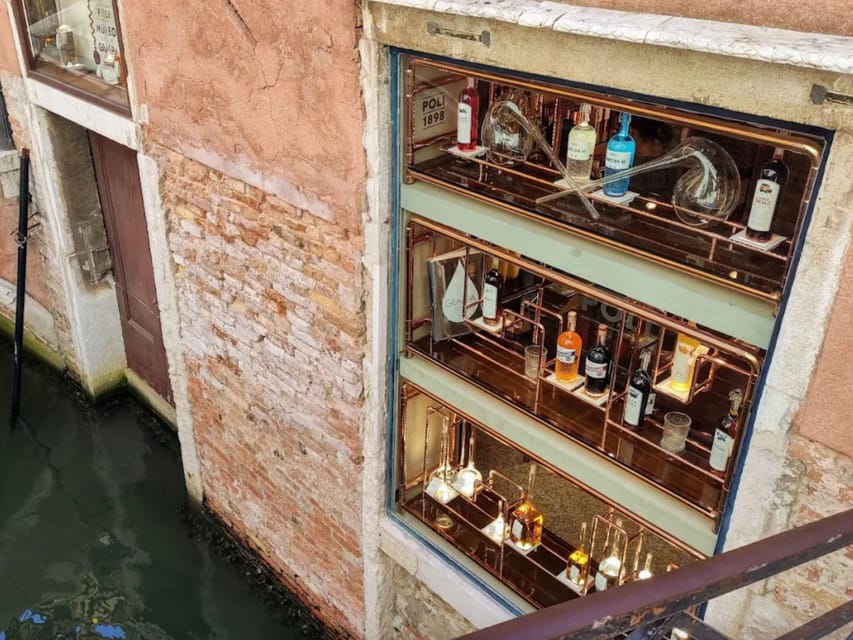
You’ll get a bit of time to browse and shop after the tasting. This is where the experience turns into a souvenir you’ll actually use.
Because the tasting compares three styles, your shopping decision isn’t random. You can ask yourself:
- Which one matched what I expected grappa to be?
- Which one surprised me in a good way?
- Which one feels like a gift someone would enjoy, not just a collector’s bottle?
Packaging is part of the fun. One review mentions commemorative packaging and careful selection. Even if you don’t need a fancy box, it’s useful to know the shop aims to make bottles gift-ready.
If you like picking up something small and specific, consider this your “taste-to-bottle” moment. You’ve got a clear sense of what you enjoyed, and staff can point you toward the best match.
Also, bring comfortable shoes. This is a central walking area and you’ll likely add a little wandering before and after.
Price and Value: Why $16 for Three Tastings Works
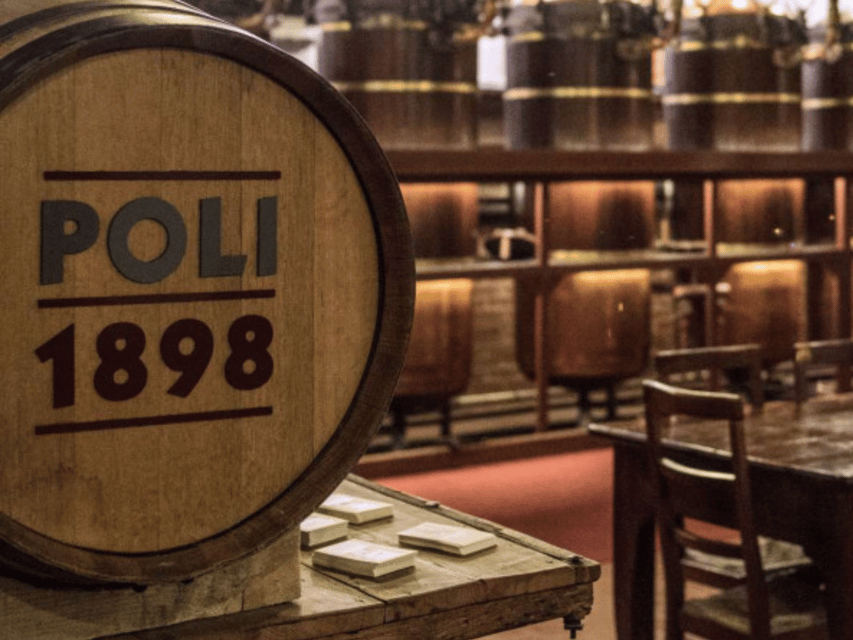
The price is $16 per person, and the duration is about 30 minutes. For a city-center spirits session, that’s solid value—mainly because you’re getting more than three pours.
You’re also getting:
- A guided introduction to history and production methods
- Tasting guidance and tasting notes for each style
- A small group setting that supports real Q&A
- Water provided to keep the tasting accurate
If all you wanted was to drink quickly, you’d find cheaper. But if you want to understand what you’re tasting, $16 is a fair trade. It’s also the kind of activity that fits cleanly into a Venice day without eating your whole afternoon.
One timing tip: pick this when you’re not rushing to catch a train. If you’re too pressed, you might not have time to ask questions or browse afterward. This works best when you can slow down for half an hour.
Who This Grappa Tasting Is Best For (and Who Should Skip It)
This is a great fit if:
- You’re curious about Italian spirits and want a guided “starter lesson”
- You like comparisons—young vs aged vs infused
- You want a short, high-value activity near San Marco
- You’re shopping for a gift and want to taste first
It’s not the best fit if:
- You want a long-form tasting session with many pours
- You dislike the idea of any alcohol tasting at all
- You’re under 18 (the experience requires participants to be at least 18, with ID required)
- You’re pregnant (the experience is not suitable for pregnant women)
Because the session is adult-focused, it’s also wise to show up ready to taste without cutting it with food mid-way. Meals aren’t included.
Should You Book This Venice Grappa Tasting?
Book it if you want a smart, short introduction to grappa that goes beyond the usual shot-in-a-bar routine. The format is tight and practical: three styles, guided tasting notes, and a chance to ask questions in a small group.
Skip it if you’re looking for a long experience or you don’t want to taste multiple spirits. At 30 minutes, you’re choosing clarity over quantity.
My final advice: treat it like a tasting workshop disguised as a drink stop. If you leave with a better sense of young vs barrique-aged vs infused, you’ll get more out of every grappa you encounter afterward in Italy. And if you buy a bottle, you’ll buy it with confidence, not guesswork.
FAQ
Where is the meeting point for this grappa tasting?
You’ll find the spirits shop in Venice city center at Poli Grappa. It’s about a 3-minute walk from San Marco Square.
How long does the grappa tasting last?
The tasting session lasts about 30 minutes.
What types of grappa will I taste?
You’ll taste three types: young grappa, barrique-aged grappa, and naturally infused grappa with natural ingredients.
Can I focus on only one style of grappa?
Yes. If you want to focus solely on young grappa, barrique-aged grappa, or infused liqueurs, the staff can accommodate your requests.
What languages are the live guides?
The live guide provides the experience in Italian and English.
What are the age requirements and is ID required?
Participants must be at least 18 years old, and ID is required for age verification. The experience is not suitable for children under 18.
Is the experience wheelchair accessible?
Yes, the experience is wheelchair accessible.
Is free cancellation available?
Yes. You can cancel up to 24 hours in advance for a full refund.
Where Venice Eats and Drinks
- Eat Like a Local: Venice 3-Hour Small-Group Food Tasting Tour
★ 5.0 · 3,137 reviews - Venice: Street Food Tour with a Local Guide and Tastings
★ 4.8 · 2,613 reviews - Venice Like a Local: Food, Wine & Spritz Tour with Traghetto Ride
★ 5.0 · 1,858 reviews - Venice Bacaro Food Tour: Eat and Drink like a Venetian
★ 5.0 · 1,137 reviews - Eat, Drink and Repeat: Wine and Food Tasting Tour in Venice
★ 5.0 · 1,060 reviews - Venice: Eat Like a Local Food Tour with Wine & Spritz
★ 4.8 · 985 reviews
More Tour Reviews in Venice
- Venice: Doge’s Palace Reserved Entry Ticket
★ 4.6 · 42,716 reviews - Venice: Grand Canal Gondola Ride with App Commentary
★ 4.1 · 23,020 reviews - Venice: Grand Canal Gondola Experience with Live Commentary™
★ 4.2 · 16,504 reviews - Boat Trip: Glimpse of Murano, Torcello & Burano Islands
★ 4.3 · 15,699 reviews - Venice: La Fenice Opera House Entry Ticket with Audio Guide
★ 4.6 · 11,742 reviews - Murano & Burano: Boat Tour with Guide & Glass Factory Visit
★ 4.3 · 10,716 reviews
All the Headline Sights in a Day
- Murano, Burano and Torcello Half-Day Sightseeing Tour
★ 3.5 · 7,928 reviews - Venice In a Day: St Mark’s, Doges Palace Gondola Ride & City Tour
★ 5.0 · 3,588 reviews - Tour of The Real Hidden Venice
★ 5.0 · 2,006 reviews - Venice: City Center Historical Guided Walking Tour
★ 4.2 · 1,873 reviews - Venice: Sightseeing Tour with a Local expert
★ 4.7 · 1,425 reviews - Venice: Walking Guided Tour of the City Must-See Sites
★ 4.7 · 1,095 reviews
Fresh Off the Vaporetto: New Venice Reviews





Venice Sightseeing & City Tours, compared.
 ★ 3.5Murano, Burano and Torcello Half-Day Sightseeing TourFrom $257,928 reviews
 ★ 5.0Venice In a Day: St Mark’s, Doges Palace Gondola Ride & City TourFrom $1243,588 reviews
 ★ 5.0Tour of The Real Hidden VeniceFrom $472,006 reviews
 ★ 4.2City Center Historical Guided Walking TourFrom $141,873 reviews
 ★ 4.7Sightseeing Tour with a Local expertFrom $411,425 reviews
 ★ 4.7Walking Guided Tour of the City Must-See SitesFrom $441,095 reviews
 ★ 4.0Private Best of Venice Walking Tour with St Mark’s BasilicaFrom $2421,063 reviews
 ★ 4.5Venice Sightseeing Small Group Walking Tour with a Local GuideFrom $48887 reviews
Browse the lists this tour appears in