
Review · HIDDEN & SECRET VENICE TOURS
Tour of The Real Hidden Venice
Venice feels different when you leave the main lanes. This 2-hour Venice walking tour threads you through quiet districts and local routines, then lands you at Rialto Bridge with context you won’t get from a quick photo stop. I especially like the way the guide mixes everyday Venice with lively details, including comic history at Campo San Geremia and “how the city actually works” moments; it makes the streets feel lived-in. One possible drawback to plan for: you will be walking steadily, and a couple stops include longer listening time, so bring comfy shoes and be ready to stand.
The route stays intimate, with a 15-person max group, so questions don’t get lost in the crowd. Guides you may meet (based on the variety of past guides) have included names like Mateo, Giovanni, Nico, and Sebastiano, and they’re chosen for storytelling plus practical tips after the walk. You’ll also use a mobile ticket and get a city map, which helps you keep exploring once you’re released near Rialto.
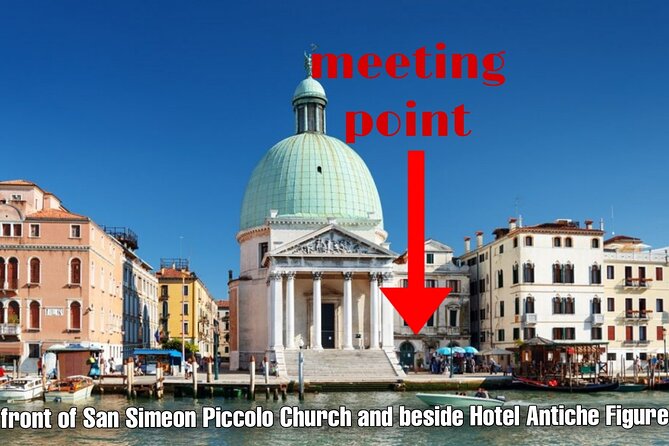
Logistics are pretty straightforward: the meeting point is Hotel Antiche Figure in the Santa Lucia area, and the tour finishes near Rialto. You’ll walk to major sights plus a couple lesser-known corners, including the church of Madonna dell’Orto (where a specific item inside may have an extra cost). And note: pickup is included, but hotel drop-off is not.
In This Review
- Key points that make this tour worth your time
- Why this route feels local, not like a checklist
- Meeting at Hotel Antiche Figure and getting your bearings
- Campo San Geremia: a funny start in Cannaregio
- Crossing into Ghetto Ebraico and the meaning of the word ghetto
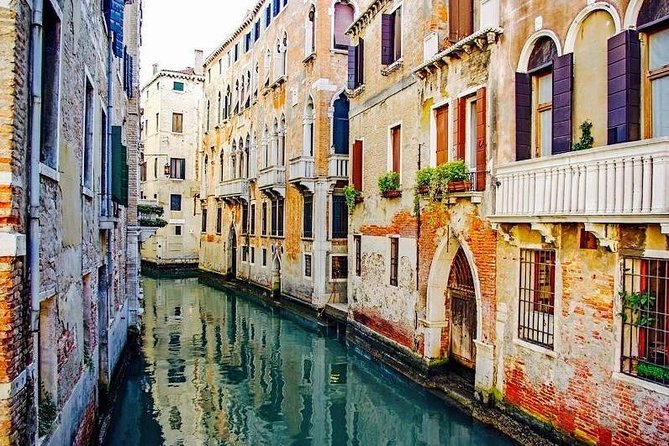
- Cannaregio’s quieter canals: what “romantic” looks like off the main lanes
- Madonna dell’Orto: Tintoretto paintings and the church’s original floor area
- Palazzo Mastelli del Cammello, nicknamed Camel House
- Squero dei Muti: an old gondola factory stop
- Ponte Chiodo and the “bridge chain” feeling
- Ponte di Rialto plus Campo San Giacomo di Rialto: viewpoints with a story
- Mercato di Rialto: trade center context for your next stroll
- Price and value: what $47.16 buys you in Venice
- Who this tour fits best (and who might want a different plan)
- Practical tips before you go
- Should you book The Real Hidden Venice tour?
- FAQ
- Where does the tour start and where does it end?
- How long is the walking tour?
- How big is the group?
- Is the tour in English?
- Is admission included for the church stop at Madonna dell’Orto?
- Are there any extra fees for day visitors?
Key points that make this tour worth your time
- Cannaregio start at Campo San Geremia: the tour begins in a calmer neighborhood square, then builds your sense of local Venice fast
- Jewish Quarter focus at Ghetto Ebraico: you’ll cross into the area tied to the word ghetto and learn the story behind it
- Madonna dell’Orto art stop: the church is highlighted for Tintoretto paintings, plus you’ll see the original floor area in front
- Palazzo Mastelli del Cammello, nicknamed Camel House: a small facade story that adds a lot of color to your walk
- Squero dei Muti gondola-factory stop: an old working history stop that connects to Venice’s water-world
- Endgame at Rialto and the trade center: the tour finishes where you can keep walking into markets and viewpoints
Why this route feels local, not like a checklist
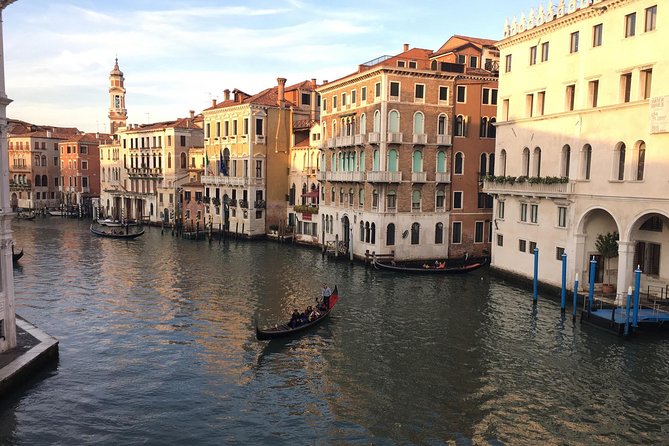
This tour works because it doesn’t treat Venice as one long “most-famous-sites” line. Instead, it gives you a neighborhood-to-neighborhood walk, starting in Cannaregio and then moving into the Jewish Quarter before ending at the Rialto area. That shift matters. It helps you understand why Venice feels like separate worlds connected by bridges, not one single street grid.
What I like most is the balance of daily life and big landmarks. You’re not only told “what to see.” You’re told why that square exists, why people moved where they moved, and what everyday routines looked like in the city’s past and present. The quieter pacing also makes the famous stuff feel earned rather than rushed.
The small group size makes it easier to hear the guide and ask questions, which is huge in Venice. In tight call-and-response cities, one-way listening can get tiring fast. Here, you get time to stop and talk, not just march.
Off the main drag: quieter Venice, a few more ways
- Tour of The Real Hidden Venice★ 5.0 · 2,006 reviews
- Venice: Off the Beaten Path Private Gondola Ride★ 4.3 · 703 reviews
- Venice: Doge’s Palace Prisons & Secret Itineraries Guided Tour★ 4.5 · 665 reviews
- Secret Venice & Gondola Tour★ 4.3 · 458 reviews
Meeting at Hotel Antiche Figure and getting your bearings
Your tour begins at Hotel Antiche Figure, in the Santa Croce area near Fondamenta San Simeon Piccolo. This is a practical starting point because it’s close to major transport links around Santa Lucia, so it’s easier to plug into the rest of your day.
Also pay attention to the pickup note: pickup is included, but hotel drop-off is not. That means you’ll finish the walk near Rialto Bridge and then keep going on your own from there. The upside is convenience. Rialto is a natural hub for ferries and the rest of central Venice.
One detail that can trip people up is how long it takes to reach the meeting spot from where you land. If you’re arriving by cruise transfer or a water taxi, double-check the exact drop-off point and your walking time ahead of booking. The start isn’t “in the middle of everything,” and that’s part of the point of the tour.
Campo San Geremia: a funny start in Cannaregio
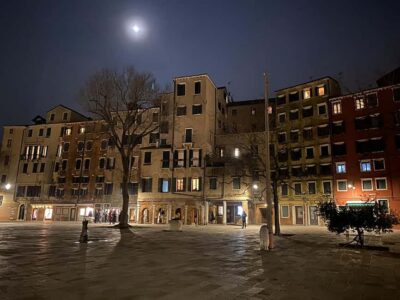
The first real stop is Campo San Geremia, a square in Cannaregio that sets the tone for the entire experience. You get to start in a place that feels like you’re walking with locals rather than weaving through tour buses. The guide shares the funny story of this campo, and that approach is smart: it teaches you how to look at Venice. Squares here aren’t just “open space.” They’re social rooms in stone.
Expect a short stop, around five minutes, and then movement. That rhythm is good on day one, especially if you want to orient quickly. You also get a chance to see how Venice uses bridges and narrow crossings to connect neighborhoods. It’s the kind of mental map that makes your later walks easier.
If you’re the type who likes to pause for photos, you’ll do it here, but don’t expect a long “take your time” plaza moment. The tour is timed to keep the energy up for the rest of the route.
Crossing into Ghetto Ebraico and the meaning of the word ghetto
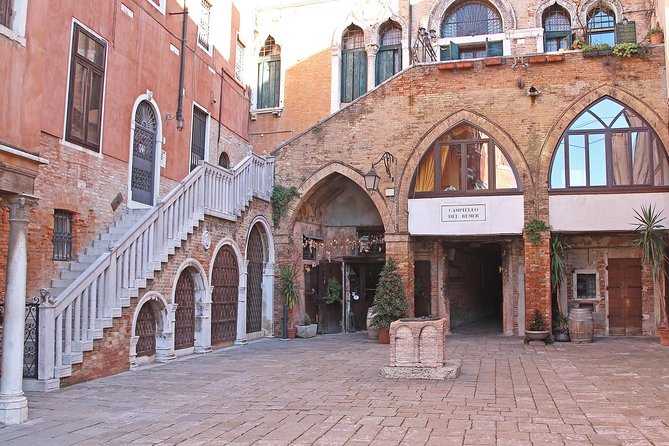
After Cannaregio’s quieter footbridges, the tour crosses into the Jewish Quarter, called Ghetto Ebraico. This stop is tightly focused on meaning. You’ll learn about the origin of the word ghetto and hear the story behind how this area became identified the way it is.
This is one of the most discussed parts of the route because it connects a famous term to real streets. It also answers a basic question you probably have early in Venice: why certain areas have names that sound historic, but don’t feel explained in guidebooks.
Time at this stop is about 15 minutes. That’s long enough for context, but not so long that you lose the thread. Still, if your ideal tour is constant walking with zero standing, this is the kind of moment you’ll want to mentally prepare for.
Cannaregio’s quieter canals: what “romantic” looks like off the main lanes
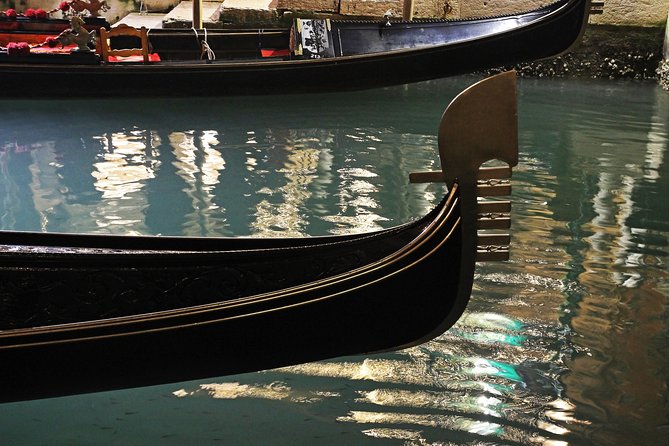
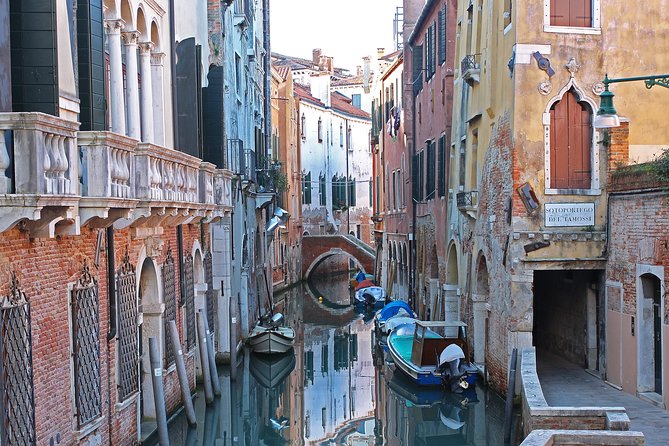
Cannaregio is labeled as quiet and romantic, and the walk helps you see what that means in practice. You get a longer stop segment here (around 30 minutes), which gives you room to slow down and watch daily life.
This is where the tour earns its promise of escaping crowds. Instead of treating canals like a backdrop, you experience the canal-side feeling as part of the neighborhood. You’ll notice how the city’s layout shapes movement: the canals decide the routes, and bridges decide the shortcuts.
Also, this is a useful moment for photo timing. In quieter canals, you can frame shots without constantly editing out big tour groups. And because you’re walking with a guide, you’re less likely to waste time wandering aimlessly for angles.
The headline sights in one loop

Madonna dell’Orto: Tintoretto paintings and the church’s original floor area
Next is Chiesa della Madonna dell’Orto, a stop that includes art and a very physical, “you are here” detail. The church is famous for Tintoretto paintings, and the tour also points out the original floor of Venice in front of the church.
Here’s the practical part: the stop is listed with admission ticket not included. So while you’ll get time to see the area and understand what matters, you may need to pay separately if you want to go deeper inside beyond what’s included.
This stop is short (about five minutes in the itinerary). That’s intentional. The guide gives you enough context to recognize why people come here, then moves you on before the walk loses momentum.
If you love art history but hate slow museum pacing, this is a good compromise: quick context, meaningful place, and back outside into the streets fast.
Palazzo Mastelli del Cammello, nicknamed Camel House
Palazzo Mastelli del Cammello is one of those Venice details that looks like trivia until you realize trivia is how Venice teaches you what people noticed and repeated. It has a facade nickname: Camel House. The guide explains the legend, and that small chunk of story makes the building feel less like a random wall and more like a clue.
The stop is brief (about five minutes). Still, it’s a valuable kind of stop because it trains your eye. When you walk Venice on your own later, you’ll start noticing which facades get nicknames and why. It’s how Venice reveals its personality.
If you’re worried about “too many stories,” this is a good one to trust. The legend gives you a mental hook you can return to later when you pass the building again.
Squero dei Muti: an old gondola factory stop
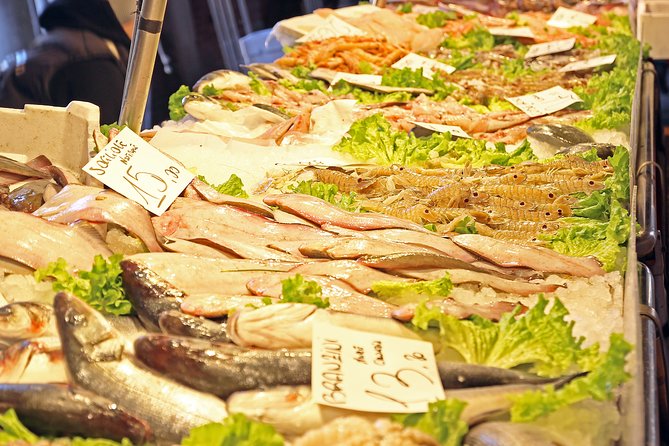
Then you shift into working Venice history at Squero dei Muti, an old gondola factory. The itinerary includes a short look (about five minutes) at this traditional gondola-making context.
Even if you’re not shopping for a gondola experience, this stop helps you understand what Venice has always needed from its water-based craft. It also breaks up the walking rhythm with a change of setting and topic: from neighborhoods and churches to the city’s boat-world.
What I like about this part of the tour is that it connects to Venice’s daily reality. Venice isn’t just built for postcards. It’s built for boats, repairs, and routines that keep the city moving.
Ponte Chiodo and the “bridge chain” feeling
You’ll also stop at Ponte Chiodo, described as the original bridge of the Venetian Republic. It’s another five-minute stop, but it adds an important layer: Venice’s bridges aren’t just crossings. They’re part of how the republic organized space and movement.
As you move from bridge to bridge, the tour becomes less about isolated sights and more about a continuous structure. That makes the route easier to remember. You start thinking, “Okay, I know where I am in relation to these crossings.”
If you’re a photo person, this is a good “quick frame” stop. If you’re more tired, it’s short enough that you don’t feel stuck.
Ponte di Rialto plus Campo San Giacomo di Rialto: viewpoints with a story
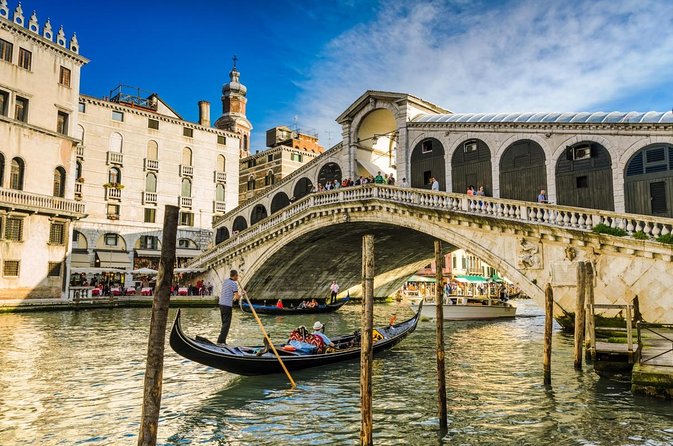
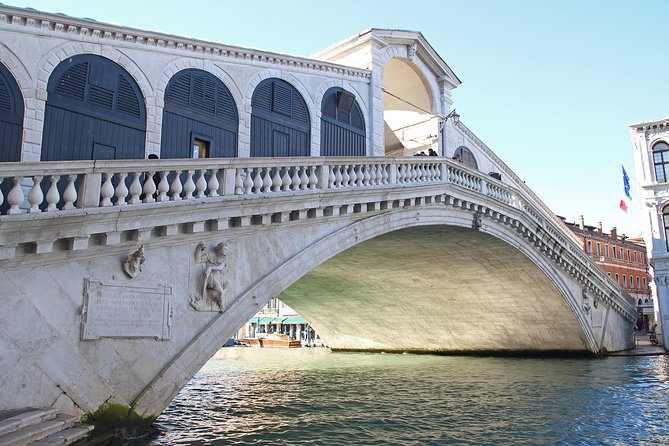
Then comes Ponte di Rialto, one of the star attractions on the list. The guide shares stories behind the 16th-century landmark, including traditions and legends tied to it. This is also your first bigger, central-crowd arrival, which is why the earlier quiet neighborhoods are so valuable. You’re easing into the iconic center rather than smashing into it immediately.
Right after that, the itinerary includes Campo San Giacomo di Rialto, described as the first lived island of Venice. This is a great stop for understanding “how Venice got started” without turning the tour into a lecture. Instead of dates and maps, you get a place-based story: people lived here, and Venice grew from there.
These two stops together work well because they show two sides of Rialto:
- the bridge as a symbol and gathering point
- the surrounding area as a living origin point
Time here is around 10 minutes for Campo San Giacomo di Rialto, and about 15 minutes for Ponte di Rialto in the itinerary.
Mercato di Rialto: trade center context for your next stroll
The final stop on the walking route is Mercato di Rialto, described as the old trade center of the Venetian Republic, La Serenissima. This is your “why this area matters” moment. Even if you don’t plan to shop, it gives you a reason to look around with different eyes.
Time at this stop is about 15 minutes. You’ll be done around then, and the tour ends near Rialto Bridge—well positioned to keep exploring on your own.
This ending is smart for two reasons. First, you finish in a lively area with plenty of food and side streets. Second, you finish where you already understand the “why” behind what you’re seeing, so your next hour feels more purposeful.
Price and value: what $47.16 buys you in Venice
At $47.16 per person for about two hours, this isn’t a budget “just walk with a guide” add-on, and it’s not priced like a museum-heavy day either. You’re paying for a curated route that combines:
- quieter neighborhood walking
- a cross into the Jewish Quarter with a guided explanation
- landmark context tied directly to what you’re seeing
- multiple bridges and place-based stories, not just one major attraction
Also, you get a city map and local guide, plus local taxes are included. And you can book a small-group experience with a cap of 15 people, which tends to keep the tour from turning into a slow shuffle behind other people’s shoulders.
When value is good in Venice, it’s usually because you save time. This tour does that by steering you through a logical set of stops that relate to each other. It’s not random. You end where you can continue walking right away.
Who this tour fits best (and who might want a different plan)
This is a great fit if you want a Venice walking tour that feels grounded in neighborhoods. You’ll enjoy it most if you like history that explains day-to-day place-making: squares, bridges, churches, and the gondola world.
It also works well for first-time visitors because it gives you orientation without spending the whole day in the busiest streets. One big reason the reviews glow is the combination of storytelling and practical follow-up tips at the end, from what to eat to how to keep moving around.
It might feel less ideal if you hate standing for context moments. There can be longer pauses at certain stops, especially around the Jewish Quarter area, and the tour still needs to cover several locations in two hours.
And if hearing the guide matters to you, keep in mind that any group walking experience can get tricky if you end up with a less-than-ideal spot in a tight group. The small cap helps, but it’s still Venice sidewalks.
Practical tips before you go
Here’s how I’d prep to make this tour feel easy, not stressful.
- Wear shoes you can stand and walk in for two hours. Bridges and stone streets are not forgiving.
- Bring a charged phone or device for your mobile ticket, since that’s how you’re entering.
- Plan your arrival early enough to comfortably reach Hotel Antiche Figure. If you’re coming from outside central Venice, give yourself extra time.
- If you care about visiting inside Madonna dell’Orto beyond what’s included, budget for the stop where admission ticket is not included.
- If you’re visiting on a day that triggers the Venice access fee rules, check the relevant days and exemptions link ahead of time. Some day trips outside Venice require an extra €5 access fee.
Weather matters too. The tour requires good weather, so if conditions are poor, you’ll need to be ready for rescheduling or a refund.
Should you book The Real Hidden Venice tour?
I’d book it if your goal is a Venice walking tour that gives you real context fast: quieter districts first, meaningful history explained in place, then a smart finish at Rialto so you can keep exploring.
Skip it only if you know you hate standing still for explanations or if you’re worried about the walking distance on top of a long travel day. The route is right for people with moderate physical fitness, and it’s designed to feel intimate, not exhausting.
If you want a Venice day that includes the classic sites without losing the local feel, this is a strong pick—especially with the small group size and a guide who can connect what you see to how the city lives.
FAQ
Where does the tour start and where does it end?
It starts at Hotel Antiche Figure (Santa Croce, 687 Fondamenta San Simeon Piccolo, 30135 Venezia VE) and ends near Rialto Bridge at Ponte de Rialto, 30100 Venezia VE.
How long is the walking tour?
The walking tour lasts about 2 hours.
How big is the group?
The group tour has a maximum of 15 travelers. A private group option is also available.
Is the tour in English?
Yes, it is offered in English.
Is admission included for the church stop at Madonna dell’Orto?
Admission is not included for Chiesa della Madonna dell’Orto (the church stop is listed as ticket not included). Other listed stops are free.
Are there any extra fees for day visitors?
On certain dates, some visitors staying outside Venice who visit for the day may need to pay a €5 access fee. You should check the official dates and exemptions at https://cda.ve.it.
More Tour Reviews in Venice
- Venice: Doge’s Palace Reserved Entry Ticket
★ 4.6 · 42,716 reviews - Venice: Grand Canal Gondola Ride with App Commentary
★ 4.1 · 23,020 reviews - Venice: Grand Canal Gondola Experience with Live Commentary™
★ 4.2 · 16,504 reviews - Boat Trip: Glimpse of Murano, Torcello & Burano Islands
★ 4.3 · 15,699 reviews - Venice: La Fenice Opera House Entry Ticket with Audio Guide
★ 4.6 · 11,742 reviews - Murano & Burano: Boat Tour with Guide & Glass Factory Visit
★ 4.3 · 10,716 reviews
All the Headline Sights in a Day
- Murano, Burano and Torcello Half-Day Sightseeing Tour
★ 3.5 · 7,928 reviews - Venice In a Day: St Mark’s, Doges Palace Gondola Ride & City Tour
★ 5.0 · 3,588 reviews - Venice: City Center Historical Guided Walking Tour
★ 4.2 · 1,873 reviews - Venice: Sightseeing Tour with a Local expert
★ 4.7 · 1,425 reviews - Venice: Walking Guided Tour of the City Must-See Sites
★ 4.7 · 1,095 reviews - Private Best of Venice Walking Tour with St Mark’s Basilica
★ 4.0 · 1,063 reviews
Quieter Corners of Venice
- Venice: Off the Beaten Path Private Gondola Ride
★ 4.3 · 703 reviews - Venice: Doge’s Palace Prisons & Secret Itineraries Guided Tour
★ 4.5 · 665 reviews - Secret Venice & Gondola Tour
★ 4.3 · 458 reviews - Venice: Doges Palace, Prison, and Secret Passageways Tour
★ 4.7 · 441 reviews - Venice Private Gondola Ride: Explore Hidden Canals and Sights
★ 4.0 · 334 reviews - Venice:Theatrical Walking Carnival Show & Casanova’s Secrets
★ 4.5 · 319 reviews
Fresh Off the Vaporetto: New Venice Reviews
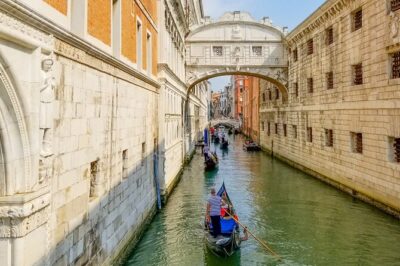
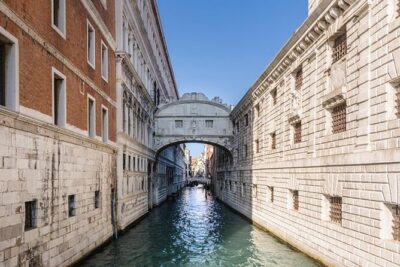
Hidden & Secret Venice Tours, compared.
 ★ 4.3Off the Beaten Path Private Gondola RideFrom $94703 reviews
 ★ 4.5Doge’s Palace Prisons & Secret Itineraries Guided TourFrom $91665 reviews
 ★ 4.3Secret Venice & Gondola TourFrom $71458 reviews
 ★ 4.7Doges Palace, Prison, and Secret Passageways TourFrom $106441 reviews
 ★ 4.0Venice Private Gondola Ride: Explore Hidden Canals and SightsFrom $95334 reviews
 ★ 4.5Theatrical Walking Carnival Show & Casanova’s Secrets319 reviews
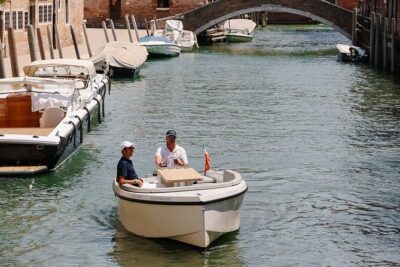 ★ 4.5The Hidden Canals on an Electric BoatFrom $120307 reviews
 ★ 4.8Local Secrets of Venice Tapas & Wine Walking TourFrom $78234 reviews
Browse the lists this tour appears in